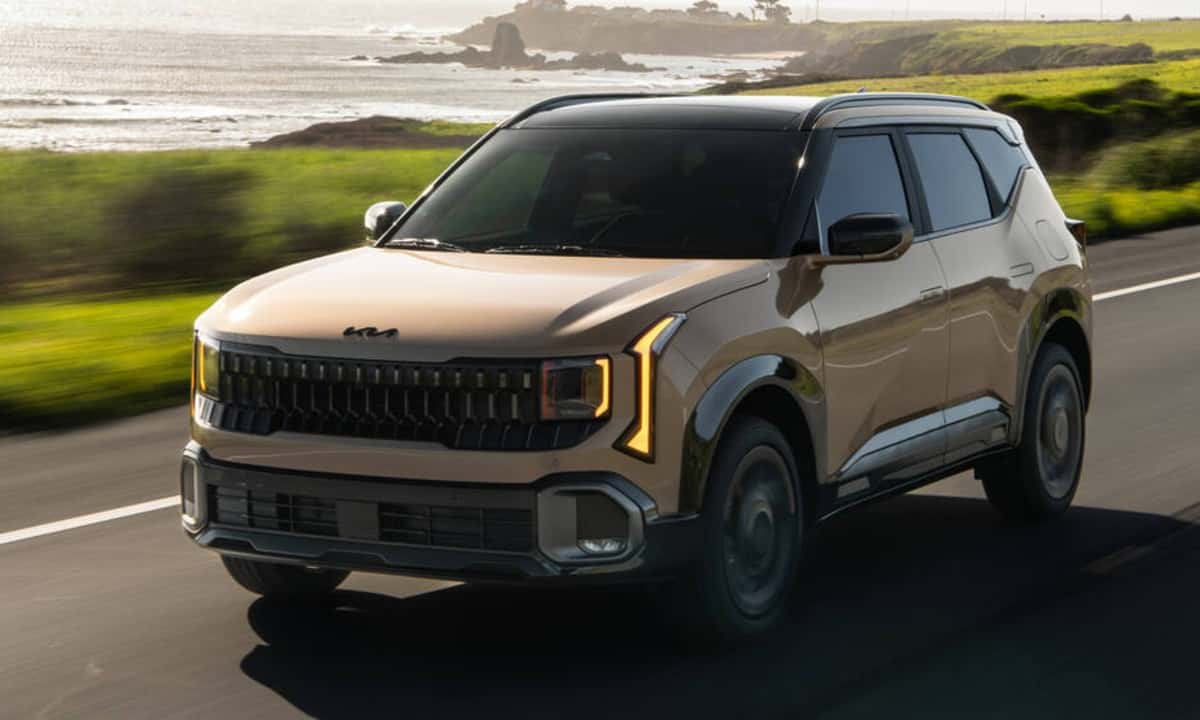
Kia India’s domestic sales tally for June 2026 climbed to 24,552 units, reflecting a solid 19 per cent year-on-year jump from the 20,625 units dispatched in June 2025. The South Korean carmaker’s portfolio—spanning compact SUVs, family crossovers, and premium vans—continues to find steady traction across Indian metro cities and Tier-2 towns, signalling sustained buyer interest even as the market navigates seasonal fluctuations.
Kia India sales June 2026: Portfolio breakdown
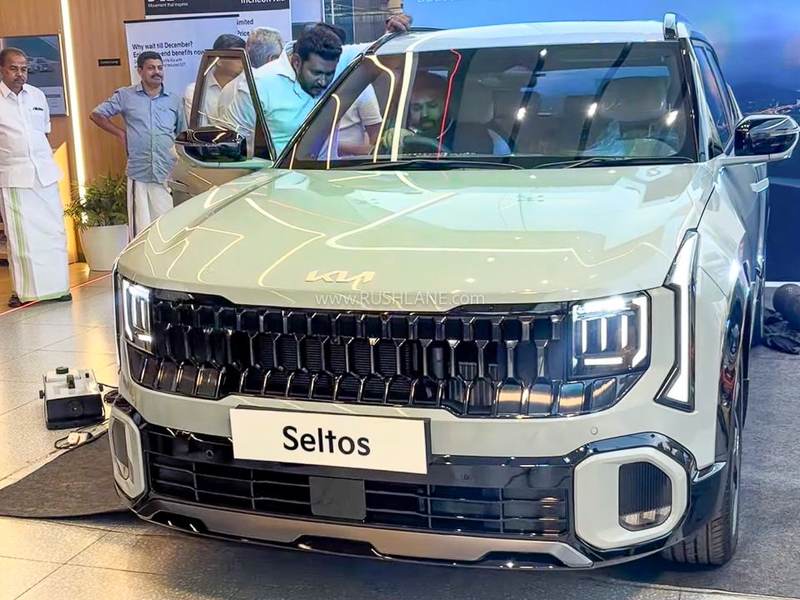
The Seltos remains the volume anchor for Kia India, consistently pulling in strong order books across petrol and diesel variants. This compact SUV’s appeal lies in its blend of practical dimensions, familiar feature set, and aggressive on-road pricing that undercuts rivals like the Hyundai Creta and Maruti Grand Vitara by a meaningful margin. The Sonet, positioned in the sub-4-metre segment, continues to chip away at the highly competitive space dominated by Hyundai Venue and Maruti Vitara Brezza, offering buyers a credible alternative with its sharper design language and connected-car features.
The Carens—Kia’s three-row family hauler—has emerged as a quiet performer, capturing demand from buyers seeking seven-seat practicality without the premium pricing of traditional MPVs. Its success reflects a broader shift in Indian buyer preferences toward flexible seating configurations at accessible price points. The newly launched Syros compact SUV and the flagship Carnival premium van round out the portfolio, targeting niche segments where brand loyalty and feature richness command respect.
Growth drivers and market positioning
The 19 per cent year-on-year surge in Kia India sales June 2026 figures suggests the brand is holding its ground in an increasingly crowded SUV marketplace. This growth outpaces the broader industry trend in several categories, particularly in the compact and mid-size SUV brackets where Kia competes directly against Hyundai, Maruti, and Tata. The introduction of the Syros—a fresh entrant in the sub-₹10 lakh compact SUV segment—has likely contributed to this momentum by attracting first-time SUV buyers and Kia loyalists looking to step down in size without sacrificing features.
Seasonality plays a role too. June typically sees pent-up demand from the preceding months as buyers capitalise on end-of-quarter offers and prepare for the monsoon season, when showroom footfall often dips. Kia’s aggressive promotional stance during this window—bundled warranties, exchange bonuses, and corporate discounts—has historically boosted dispatch numbers.
Competitive landscape and buyer implications
What this sales performance tells us is that Kia has successfully carved out a distinct identity in the Indian market despite entering relatively late compared to Hyundai or Maruti. The brand’s ex-showroom pricing strategy, combined with a growing service network across Tier-2 and Tier-3 towns, has lowered the perceived risk for buyers considering a Korean alternative to Japanese or Indian brands. The Seltos, for instance, undercuts the Creta by ₹1.5 to ₹2 lakh depending on variant, making it an obvious choice for budget-conscious families.
However, Kia’s growth trajectory must be viewed against the backdrop of rising competition from Tata, whose Nexon and Harrier have captured significant mindshare in the compact and mid-size SUV segments respectively. Tata’s aggressive pricing and strong after-sales reputation pose a credible threat to Kia’s expansion ambitions. Similarly, Maruti’s dominance in the sub-4-metre space means the Sonet faces an uphill battle despite its undeniable strengths.
What this means for buyers
If you’re shopping for an SUV in the ₹8 to ₹16 lakh range, Kia’s expanding portfolio offers genuine choice. The Seltos delivers value-for-money practicality; the Sonet suits first-time buyers and city commuters; the Carens appeals to large families unwilling to stretch to a full-size MPV. Resale values remain a question mark compared to Maruti or Hyundai, but Kia’s warranty coverage and service accessibility have improved markedly. The brand’s willingness to offer competitive finance options through tied-up banks also makes ownership more accessible.
One caveat: parts availability in smaller towns can still be patchy, so location matters when choosing a Kia. Urban buyers face no such constraints, and for them, Kia represents a refreshing alternative to the usual suspects.
The bigger picture
Kia India’s sustained growth underscores a fundamental shift in how Indian buyers evaluate vehicles. Brand heritage and badge value still matter, but value-for-money, feature richness, and competitive finance options increasingly sway purchase decisions. Kia’s ability to deliver on all three fronts explains why its sales trajectory has remained upward despite the market’s cyclical nature. The question now is whether the brand can maintain this momentum as the industry heads into the festive season, when both Kia and its rivals will intensify their marketing push.
The bottom line
Kia India’s June 2026 sales figures demonstrate that the brand has graduated from being a curiosity to a genuine contender in the Indian SUV market. A 19 per cent year-on-year jump is impressive, though it’s important to note this growth comes off a relatively smaller base compared to Maruti or Hyundai. Still, for a brand that entered India less than five years ago, this trajectory suggests strong product-market fit and improving brand perception. The Syros launch adds fresh energy to the portfolio, while the Carens continues to prove there’s untapped demand for practical, affordable three-row vehicles. If Kia can maintain this sales momentum while expanding its service footprint and improving resale value perception, it could well become the default third choice for Indian SUV buyers after Maruti and Hyundai—a significant achievement in a market where brand switching remains uncommon.
Frequently asked questions
How much did Kia India’s sales grow in June 2026?
Kia India sales June 2026 reached 24,552 units, representing a 19 per cent year-on-year increase compared to 20,625 units in June 2025.
Which Kia model is the top seller in India?
The Seltos remains Kia’s volume leader, consistently outselling other models in the portfolio due to its competitive pricing and practical design.
Is Kia a good alternative to Maruti or Hyundai in India?
Kia offers compelling value-for-money propositions, particularly in the ₹8–₹16 lakh SUV segment, though resale values and parts availability in smaller towns remain considerations compared to established brands.