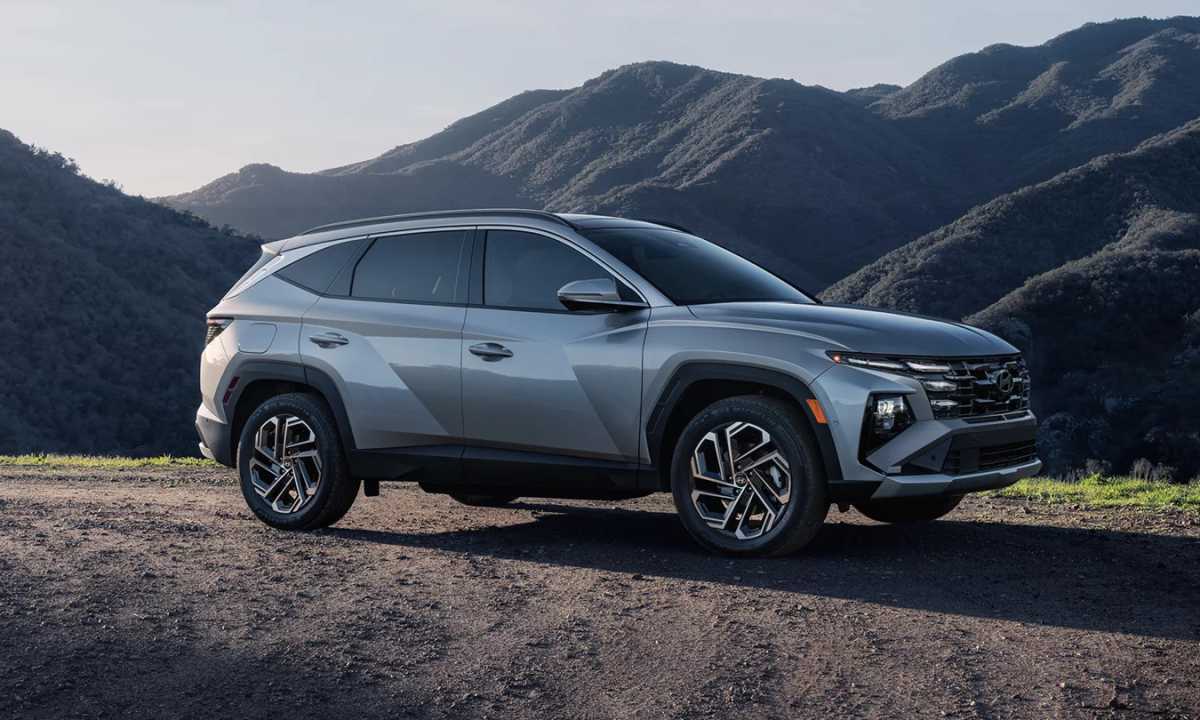
The compact SUV segment in India is bracing for significant upheaval. Over the next two years, the category will see a wave of refreshed models, entirely new entrants, and electric offerings that could reshape buyer preferences. Several established names are preparing comprehensive overhauls while fresh competitors eye a slice of this lucrative market.
Why the compact SUV segment matters
Compact SUVs have become the sweet spot for Indian buyers—affordable enough for first-time SUV purchasers, spacious enough for small families, and available with multiple powertrain options. The segment currently dominates sales charts, with models like the Hyundai Creta, Kia Seltos, and Maruti Vitara Brezza leading the charge. This dominance has attracted fresh manufacturers and prompted existing players to refresh their lineups aggressively.
Compact SUVs coming India: what’s on the horizon
The pipeline includes three broad categories of launches. First, established names will arrive with significant facelifts—visual updates, interior refinements, and new technology. Second, all-new generations of existing models will hit showrooms with modernised platforms and powertrains. Third, manufacturers new to this segment will introduce fresh options, while electric compact SUVs will expand the eco-conscious buyer’s choices.
Without specific model names confirmed across all ten entries, the broader pattern is clear: manufacturers recognise that the compact SUV buyer is increasingly sophisticated. They demand better infotainment, improved safety features, efficient engines, and distinctive styling. The next two years will test which brands can deliver on all fronts.
Facelifts and mid-cycle refreshes
Several models nearing the mid-point of their lifecycle will receive cosmetic and mechanical updates. These aren’t full overhauls—expect refreshed front and rear bumpers, new alloy wheel designs, updated interior trim options, and possibly a new colour palette. Engine tweaks may bring marginal efficiency gains, while infotainment systems will upgrade to larger touchscreens with smartphone integration as standard.
Facelifts typically cost manufacturers less than new generations, allowing them to maintain price points while improving perceived value. For buyers, a refreshed model offers a way to stay current without waiting for an all-new platform.
All-new generations reshaping the segment
Where manufacturers are investing in entirely new platforms, the changes run deeper. New generations often mean lighter kerb weights through advanced materials, more spacious cabins thanks to optimised packaging, and powertrains that balance performance with fuel efficiency. Some may introduce mild-hybrid technology or turbo variants to appeal to driving enthusiasts.
These next-generation compact SUVs coming India will likely feature improved NVH (noise, vibration, harshness) levels, better ride quality through updated suspension geometry, and more comprehensive warranty packages to build buyer confidence.
Electric compact SUVs: the silent revolution
The inclusion of electric options in the compact SUV space marks a pivotal shift. As battery costs decline and charging infrastructure expands across Indian metros and Tier-2 towns, manufacturers are confident buyers will embrace electric compact SUVs. These models promise lower running costs, zero tailpipe emissions, and the convenience of home charging.
Electric compact SUVs typically offer 400-500 km claimed range on a full charge, fast-charging capabilities (80% in 30-40 minutes), and one-pedal driving through regenerative braking. Pricing remains a consideration—early electric compact SUVs may command a ₹2-3 lakh premium over petrol equivalents, though government incentives could narrow this gap.
First-time entrants and niche players
New manufacturers eyeing the compact SUV segment will likely position themselves as value leaders or premium alternatives. Some may target specific buyer personas—young professionals seeking connected technology, families prioritising safety, or eco-conscious buyers wanting electric options without premium pricing.
These newcomers will need strong after-sales networks and competitive warranty terms to overcome the trust deficit that established brands enjoy. Aggressive introductory pricing is almost certain.
What this means for current buyers
If you’re shopping for a compact SUV right now, the incoming wave creates both opportunity and urgency. Outgoing models may see discounts as dealers clear inventory ahead of refreshes. Conversely, waiting three to six months could land you a newer generation with better technology at a similar price point.
Consider your priorities: if you value the latest infotainment and safety tech, waiting makes sense. If you need a vehicle immediately and current options meet your needs, dealer discounts on existing stock could save you ₹50,000-1,50,000.
The bigger picture
The compact SUV segment’s transformation reflects broader industry trends. Electrification is no longer optional—it’s becoming expected. Connectivity and autonomous features are trickling down from premium segments. Safety standards are rising. And buyer preferences are fragmenting, with some chasing efficiency, others demanding performance, and many seeking a balance.
Manufacturers launching compact SUVs coming India in the next two years must navigate these currents carefully. Price too high and you’ll lose volume. Skimp on features and you’ll lose credibility. Get it right, and you’ll capture loyal customers for a decade.
The bottom line
India’s compact SUV segment is entering its most competitive phase yet. The next two years will separate genuine innovators from me-too players. For buyers, this is excellent news—choice will proliferate, pricing will stabilise, and quality should improve across the board. Whether you’re drawn to electric powertrains, cutting-edge interiors, or proven reliability, there will be a compact SUV tailored to your needs. The question isn’t whether to buy; it’s which one to choose.
Frequently asked questions
What compact SUVs coming India should I wait for?
The next two years will bring refreshed versions of popular models, entirely new generations with advanced platforms, and electric compact SUVs from both established and new manufacturers. Specific launch timelines vary, but expect announcements every quarter.
Will electric compact SUVs be affordable?
Early electric compact SUVs may cost ₹2-3 lakh more than petrol equivalents, but government incentives and falling battery prices should narrow this premium. Running costs remain significantly lower than combustion engines.
Should I buy a compact SUV now or wait for new models?
If you need a vehicle immediately, current models offer discounts as dealers clear stock. If you can wait 3-6 months, incoming refreshes and new generations will offer better technology at comparable prices.