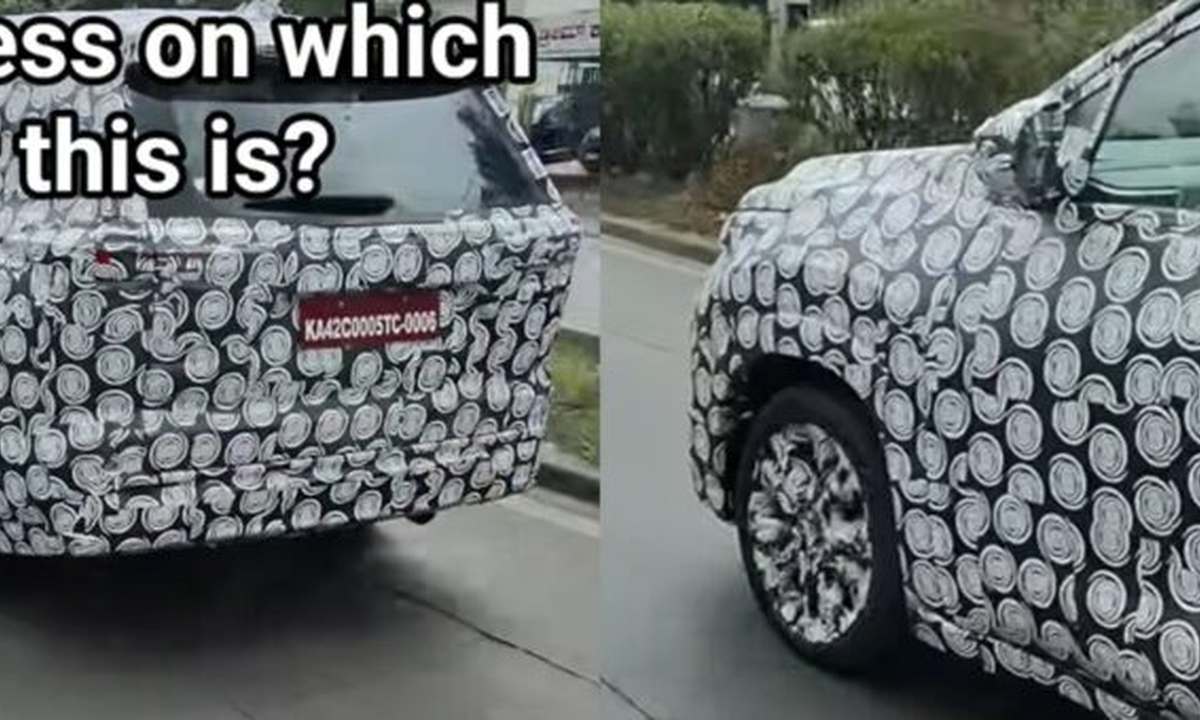
Toyota’s three-row family hauler is heading for a significant refresh. Fresh spy images of the 2027 Toyota Innova Hycross facelift have emerged from road tests, offering the sharpest glimpse yet into the cabin upgrades planned for the popular MPV. While the exterior remains cloaked under heavy camouflage, the interior tells a more revealing story—and it points to a modernized cockpit that buyers have been waiting for.
Interior Upgrades: The 2027 Toyota Innova Hycross facelift Gets a Bigger Screen
The standout change visible in these spy shots is a substantially larger touchscreen infotainment unit sitting atop the dashboard. The current Innova Hycross makes do with an 8-inch unit; the facelift appears to jump to something closer to 10.5 inches, bringing it closer to what rivals like the Kia Carnival and MG Hector Plus already offer in their respective segments.
This isn’t merely about screen real estate. A larger display typically means improved menu navigation, better visibility of the rear-camera feed during reversing, and more breathing room for climate controls and other interface elements. For a family vehicle that logs serious highway miles, this upgrade matters more than casual observers might think.
Beyond the infotainment system, the test mule reveals a refreshed steering wheel design and what appears to be revised air-vent styling. The overall layout of the centre console looks largely familiar, suggesting Toyota isn’t planning a complete interior overhaul—just a targeted modernization of the most visible and frequently used components.
Exterior Changes Still Under Wraps
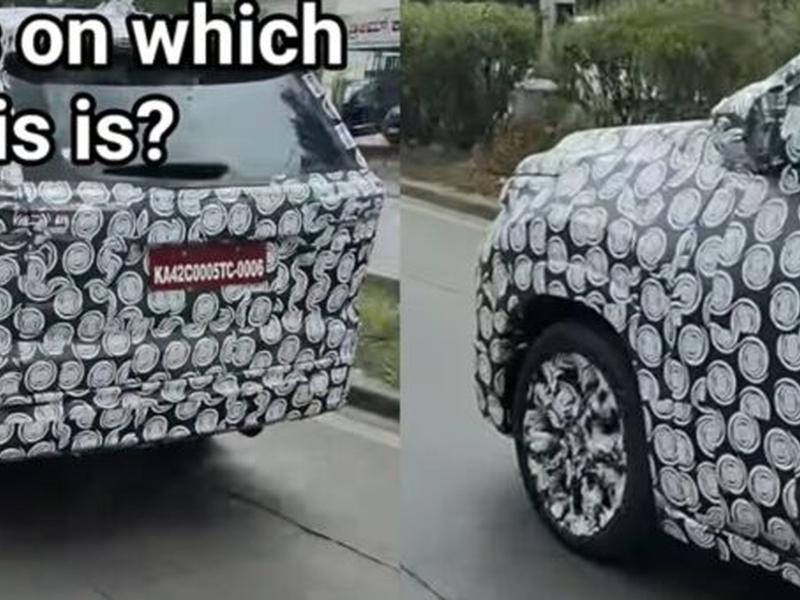
The front and rear fascias remain heavily wrapped in camouflage, making it difficult to pinpoint exactly what Toyota is changing on the outside. Typically, a facelift of this scale brings refreshed bumper designs, new grille treatment, and updated headlight and tail-light graphics. The silhouette of the vehicle appears unchanged, which is expected—the overall proportions and body structure should remain the same.
The wheels on this test unit look like standard alloy designs, offering no clues about potential new wheel designs coming to the range. Expect Toyota to reveal the full exterior picture closer to the official launch date, likely sometime in 2027 for the Indian market.
What Buyers Can Expect From the Refresh
The 2027 Toyota Innova Hycross facelift is unlikely to bring major mechanical changes. The current 2.0-litre petrol and 2.4-litre diesel engines, paired with manual and automatic transmissions, will likely soldier on. What Toyota appears focused on is improving the user experience—a larger screen, perhaps more intuitive controls, and a cabin that feels more contemporary without unnecessary complexity.
For a vehicle segment where practicality and reliability trump novelty, this approach makes sense. Family buyers choosing an MPV want a dependable workhorse with comfort features that genuinely enhance daily life. A bigger touchscreen with better responsiveness and a cleaner interface ticks that box.
Competition and Market Positioning
The Innova Hycross competes in a shrinking but fiercely fought segment. The Kia Carnival has raised the bar with its premium cabin and tech offerings, while the upcoming Maruti XL7 and existing options like the Mahindra XUV700 (in a different space) keep pressure on. Toyota’s refresh needs to maintain the Hycross’ appeal without overcomplicating what has always been its strength: straightforward, honest family transportation.
A larger, more responsive touchscreen won’t single-handedly save the segment, but it signals that Toyota recognizes the need to keep pace with customer expectations. Buyers in 2027 will expect connectivity features, wireless smartphone integration, and intuitive controls—none of which are revolutionary, but all of which are now table stakes.
Timeline and Pricing Outlook
With these spy images emerging now, an official reveal is likely several months away. Indian launch is expected sometime in 2027, though the exact quarter remains unclear. Pricing is unlikely to shift dramatically from the current Innova Hycross range (which starts around ₹10.5 lakh ex-showroom), though the addition of a larger touchscreen and any other feature upgrades could push base variants slightly higher.
The real question is whether Toyota will introduce new variants or trim levels with the facelift. Some buyers might welcome a sportier or more luxurious variant, though the current lineup already covers most buyer needs across three main tiers.
The Bottom Line
The 2027 Toyota Innova Hycross facelift looks to be a measured update rather than a dramatic reinvention. That’s exactly what this segment needs. The Innova Hycross has never competed on flash or cutting-edge tech—it competes on trust, space, and value. A better touchscreen, tidier interior design, and perhaps some convenience features will help it stay relevant against newer competitors without abandoning the formula that’s worked for years.
For current owners, the refresh won’t make them feel outdated. For prospective buyers considering a family MPV in 2027, the updated cabin will feel more modern without being unnecessarily complicated. That’s the Toyota way, and there’s nothing wrong with that.
Frequently asked questions
When will the 2027 Toyota Innova Hycross facelift launch in India?
An official launch date hasn’t been confirmed yet, but based on the current spy testing phase, a reveal is expected sometime in 2027. Toyota typically takes several months between first spy shots and market launch.
What is the main change visible in the new Innova Hycross facelift?
The most obvious upgrade is a larger touchscreen infotainment system, appearing to grow from the current 8-inch to around 10.5 inches. The steering wheel and air vents also appear redesigned, though the overall cabin layout remains similar.
Will the engine and transmission options change with the facelift?
Current spy images and reports suggest no major mechanical changes. The 2.0-litre petrol and 2.4-litre diesel engines, along with existing manual and automatic gearboxes, are expected to continue unchanged.