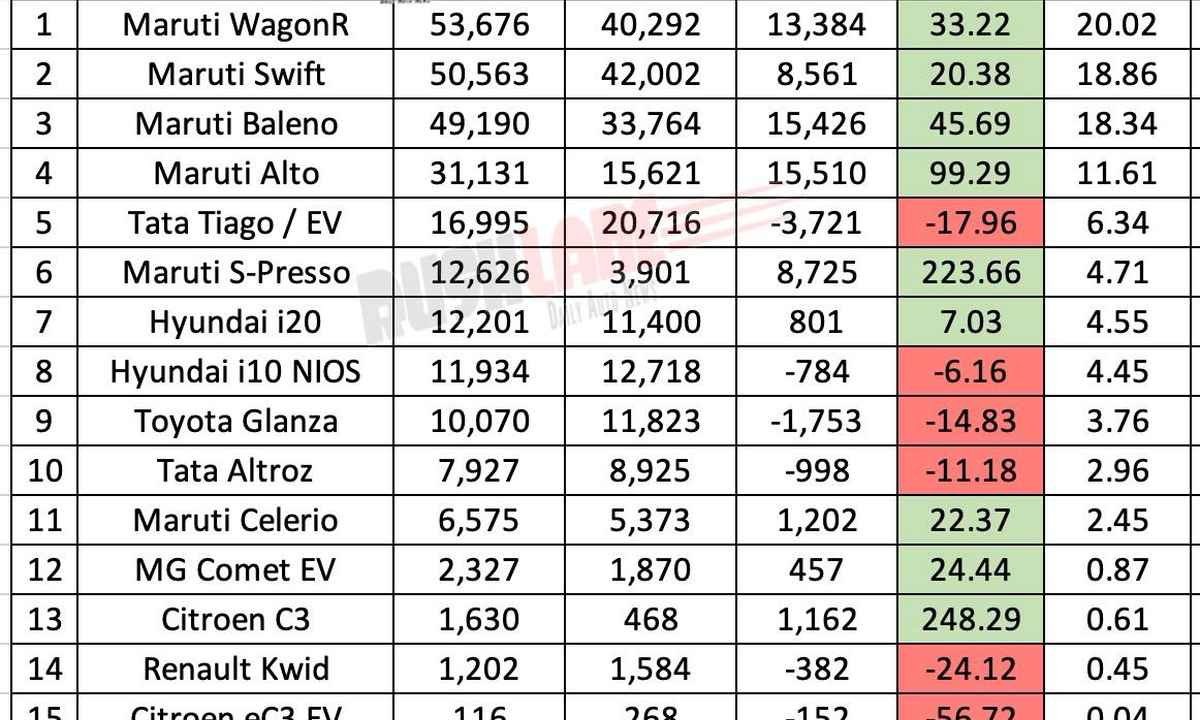
Hyundai’s i20 has just hit a remarkable milestone: 15 lakh cumulative sales since arriving in India in 2008. That’s nearly two decades of dominating the premium hatchback space, and frankly, not many cars in this country can claim that kind of staying power. The number itself tells you something — this isn’t a flash-in-the-pan success story. It’s consistency.
Think about what the Indian car market looked like in 2008. We were still figuring out what a premium hatchback even meant. The i20 helped define it. Eighteen years and three complete generations later, Hyundai is still selling this car, still updating it, still keeping buyers interested. That’s the kind of longevity most manufacturers dream about.
The Hyundai i20 sales milestone journey
The Hyundai i20 sales milestone represents far more than just a number on a spreadsheet. This car has been the training wheels for an entire generation of Indian buyers stepping up from basic hatchbacks into something with more style, more features, and more refinement. When the first-gen i20 launched, it came with a sharp design and a promise: you don’t have to buy a sedan to feel premium.
The second generation, which arrived around 2012-2013, refined that formula. More space, better engines, improved ride quality. By the time the current third-gen model showed up in 2020, the i20 had already carved out a permanent place in Indian driveways. Families who bought the first-gen are now buying the latest one for their kids. That’s the kind of brand loyalty money can’t buy — it has to be earned.
What’s striking about these 15 lakh units is the consistency across generations. The car never became irrelevant. Yes, the SUV boom happened. Yes, compact SUVs like the Creta and Venue ate into hatchback sales. Yet the i20 kept selling. That tells you something about the product itself and the trust Hyundai built around it.
Current lineup and powertrain options
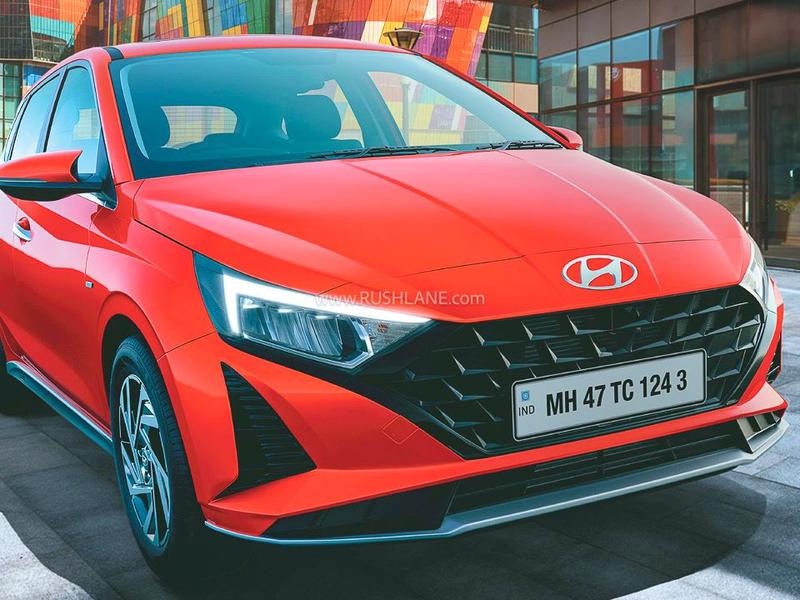
Today’s i20 lineup reflects what buyers in the premium hatchback segment actually want. You get a straightforward petrol engine — a 1.2-litre naturally aspirated unit — and a turbocharged petrol option for those who want a bit more punch. No diesel anymore, which makes sense given the way the market has shifted post-BS-VI and the rising cost of diesel fuel.
The current generation is loaded with features that would’ve seemed like science fiction on the 2008 model. Touchscreen infotainment, connected car tech, automatic variants, cruise control — these aren’t novelties anymore; they’re baseline expectations. Hyundai has kept up with that. The i20 today competes not just on space and handling, but on the entire experience.
Variant-wise, the range spans from basic trims that undercut rivals on price to top-spec versions that blur the line between hatchback and entry-level sedan in terms of comfort. That breadth is deliberate. It’s why the i20 pulls in buyers across income brackets.
Why 15 lakh matters in context
To put this in perspective: 15 lakh units over 18 years works out to roughly 830,000 cars per year on average. Some years it was higher; some lower. But that consistency is rare in a segment as volatile as hatchbacks. The Maruti Swift has sold more in total, but it’s also been around longer and operates in a different price bracket. The i20 has done this as a premium offering, which makes the achievement more impressive.
The compact SUV explosion — Creta, Venue, Nexon, Kia Sonet — should’ve killed the premium hatchback category. Instead, the i20 adapted. It’s proof that good product design, brand trust, and smart positioning can weather even seismic market shifts. Buyers still choose the i20 because they know what they’re getting: a well-built, feature-rich car that holds its value and doesn’t feel like a compromise.
What comes next for the i20
The big question now is how the i20 evolves as electrification becomes mandatory. Hyundai has already shown it can build electric hatchbacks — the i20 Electric exists, though it hasn’t set the market on fire. The next generation i20, whenever it arrives, will likely have to offer a strong EV option alongside petrol to stay relevant. That’s the future of the segment.
For now, though, the petrol-only strategy seems to be working. Waiting periods aren’t long, and the car moves off showroom floors steadily. Resale values remain strong because the used car market trusts the i20 — another sign of the brand equity this car has built.
The bottom line
The Hyundai i20 sales milestone of 15 lakh units is genuinely impressive, and it deserves recognition not as a marketing talking point but as evidence of what happens when a manufacturer gets the product right and sticks with it. In a market obsessed with the next big thing — the next SUV, the next EV, the next gimmick — the i20 has simply been reliable, relevant, and reasonably priced. That’s unsexy. That’s also why it keeps selling. The real test comes when Hyundai has to refresh or replace it. Will the next i20 inherit this loyalty, or will the SUV wave finally claim what the hatchback has defended for 18 years? We’ll find out soon enough.
Frequently asked questions
When was the Hyundai i20 first launched in India?
The Hyundai i20 was launched in 2008 and has since completed three generations in the Indian market over 18 years.
What engines are available in the current Hyundai i20?
The current i20 offers a 1.2-litre naturally aspirated petrol engine and a turbocharged petrol option. Diesel variants have been discontinued post-BS-VI.
How does the Hyundai i20 compete with compact SUVs like the Creta?
While compact SUVs offer more space and ground clearance, the i20 competes on better fuel efficiency, lower price, easier handling in city traffic, and a feature-rich cabin for the premium hatchback buyer.