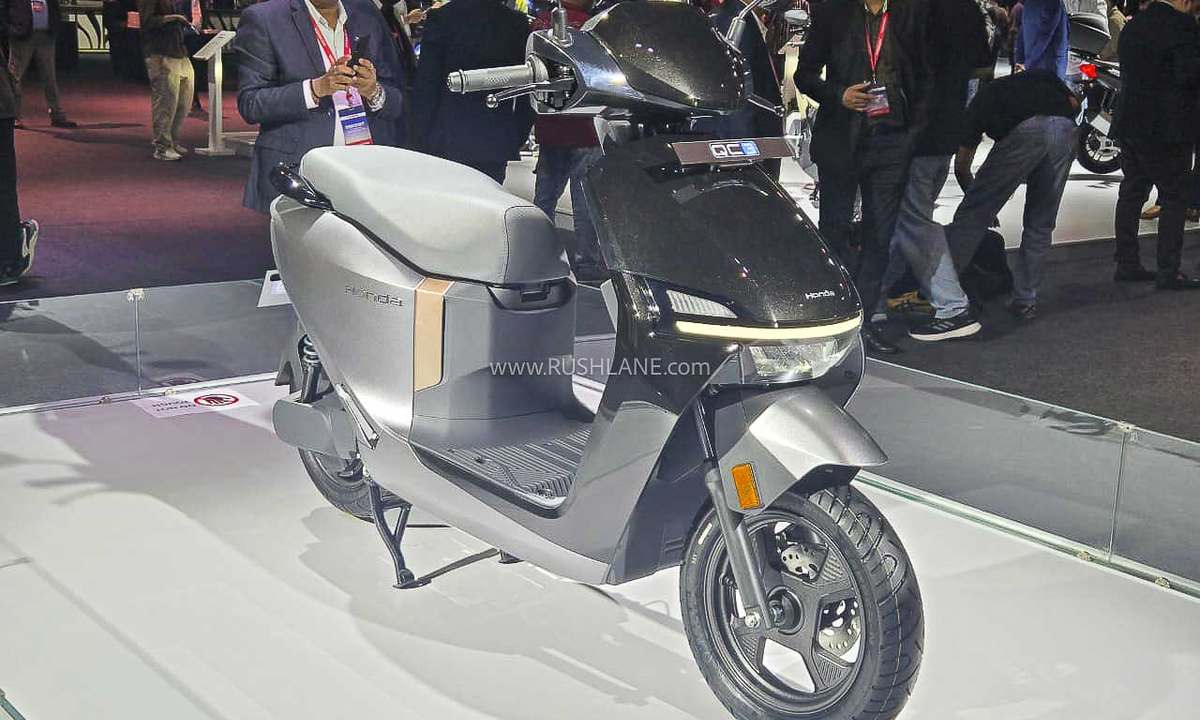
Honda has finally made its move in India’s crowded electric two-wheeler space. The Honda QC3 electric scooter arrives at an ex-showroom price of ₹1.35 lakh in New Delhi, with bookings now open for a ₹5,000 token. Initial sales will be limited to five cities — Delhi, Agra, Cuttack, Surat, and Kollam — but this launch signals Honda’s determination to catch up in a segment where Bajaj and TVS have already built considerable ground.
The Honda QC3 electric scooter specs and range
The Honda QC3 electric scooter packs a 3 kWh fixed battery that delivers a claimed 145 km range under IDC (Indian Driving Cycle) conditions. That’s a respectable figure for daily commuting, though real-world range will vary depending on riding style, terrain, and traffic conditions. The underseat storage capacity stands at 32 litres, which is adequate for carrying a helmet and small personal items but won’t accommodate a full office bag.
Honda has positioned this as a practical urban commuter rather than a performance machine. The fixed battery means you’re locked into one charging solution — there’s no removable pack option for those who’d prefer swapping batteries at home or office. That’s a deliberate choice, likely to keep costs down, but it does limit flexibility for buyers in Tier-2 towns where charging infrastructure remains patchy.
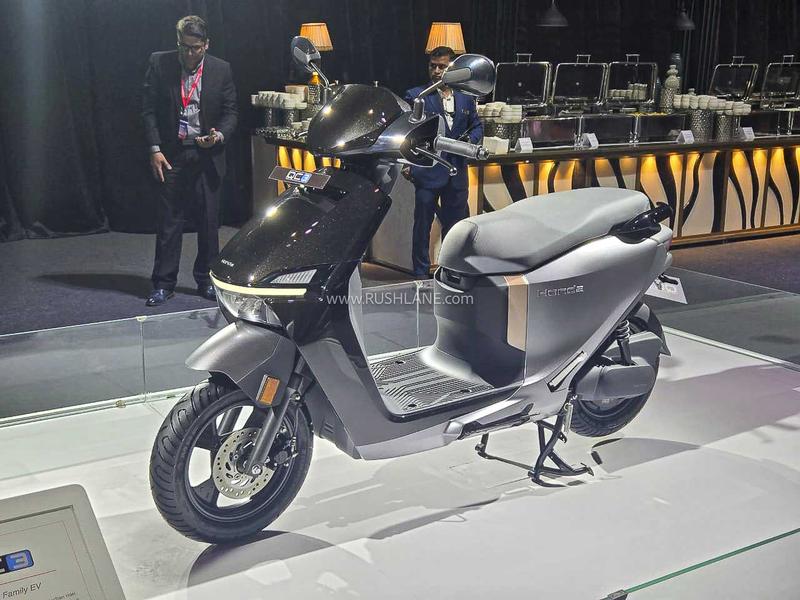
Pricing and market positioning
At ₹1.35 lakh, the Honda QC3 electric scooter sits in a competitive band. It’s neither the cheapest option available nor a premium choice. Bajaj and TVS have already established strong footholds with models priced both below and around this level, so Honda is entering a market where brand loyalty and charging ecosystem matter as much as the vehicle itself. The ex-showroom price in Delhi will translate to a higher on-road figure once you factor in registration, insurance, and dealer charges — expect to pay closer to ₹1.55-1.65 lakh depending on your city.
The ₹5,000 booking amount is standard for the segment. Retail deliveries will roll out gradually across the five launch cities, which suggests Honda is taking a cautious, measured approach rather than flooding the market immediately.
Why Honda is late to the game
Honda’s entry into electric scooters comes after competitors have already captured significant mindshare. Bajaj’s Chetak and TVS’s iQube have become household names in metro cities, backed by extensive charging networks and service infrastructure. Honda’s two-wheeler division in India has traditionally focused on petrol motorcycles and scooters, where it commands respect. But the shift to EVs has forced every manufacturer to rethink their portfolio, and Honda can’t afford to ignore this segment any longer.
The company’s late arrival does come with one advantage: it can learn from rivals’ mistakes. The Honda QC3 electric scooter appears to prioritise simplicity — a fixed battery, straightforward charging, no frills — which may appeal to buyers wary of complicated tech.
Charging and ownership costs
Honda hasn’t detailed charging time or home charger compatibility in the initial announcements, which is a gap. Buyers will want to know whether the 3 kWh battery can be charged at home using a regular plug point (slow charging) or if a dedicated wall charger is mandatory. For a scooter aimed at daily commuters, charging convenience is non-negotiable.
Running costs will be a key selling point. Electric scooters cost just ₹1-2 per kilometre to charge, compared to ₹4-5 for petrol scooters. Over a year of moderate use, that adds up to meaningful savings. But the total cost of ownership also depends on battery replacement costs after 5-7 years, which Honda will need to communicate clearly to build buyer confidence.
What the Honda QC3 electric scooter means for buyers
If you’re shopping for an electric scooter and live in one of the five launch cities, the Honda QC3 gives you a third credible option alongside Bajaj and TVS. Honda’s after-sales service network is extensive across India, which matters when something goes wrong. The 145 km range is honest and sufficient for most urban commuters who cover 30-40 km daily. The 32-litre storage is tight but workable for office commutes.
The real question is whether Honda can build a charging ecosystem as robust as what Bajaj and TVS have already established. A great scooter means nothing if you can’t charge it conveniently.
The bottom line
The Honda QC3 electric scooter is a competent, late entry into a market that’s already moving fast. At ₹1.35 lakh, it’s priced sensibly without being a bargain, and the 145 km range covers real-world needs. But Honda’s success won’t be decided by specs alone. It depends entirely on whether the company can convince Indian buyers that a Honda badge on a scooter is worth choosing over cheaper or more established rivals. The next six months will tell us whether this launch marks a genuine comeback or just another me-too product in an already crowded segment.
Frequently asked questions
What is the real-world range of the Honda QC3 electric scooter?
Honda claims 145 km under IDC conditions, but real-world range typically drops 15-25% depending on riding style, traffic, and terrain. Expect 110-125 km in everyday use.
Can I remove the battery from the Honda QC3 electric scooter for home charging?
No, the Honda QC3 has a fixed 3 kWh battery. You’ll need to charge it at home using a wall charger or find a public charging point. Honda hasn’t yet detailed charging time or home charger specifications.
In which cities can I buy the Honda QC3 electric scooter right now?
Initial sales are limited to Delhi, Agra, Cuttack, Surat, and Kollam. Expansion to other cities is expected later, but no timeline has been announced.