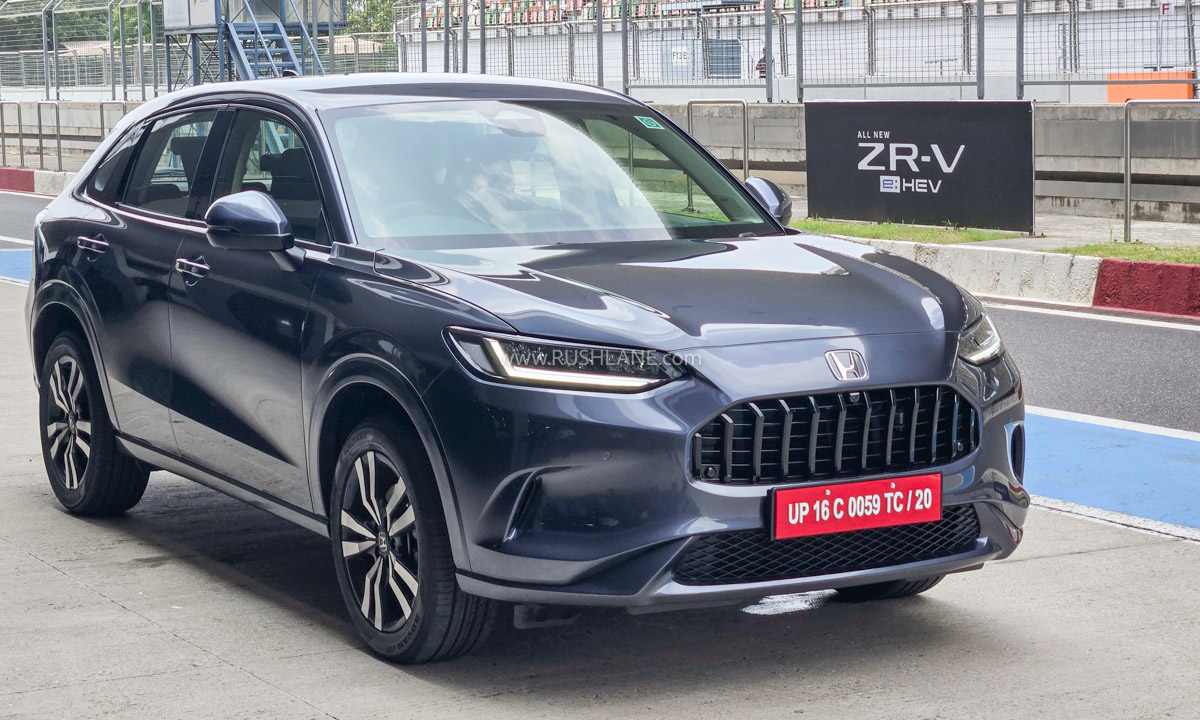
Honda India sales July 2026 tell a story of unexpected momentum. The Japanese automaker shipped 8,284 units last month—6,014 for the domestic market and 2,270 destined for export. That domestic number matters most: it represents a 48% jump compared to July 2025, a spike that catches attention in a market where single-digit growth has become the norm.
Domestic Demand Drives the Growth
The real story sits in those 6,014 domestic units. A 48% year-on-year surge is substantial by any measure, especially for a brand that’s spent the last two years fighting for relevance in a segment dominated by Maruti and Hyundai. Something shifted in July.
Honda’s portfolio—anchored by the City sedan and the HR-V compact SUV—appears to have finally found traction with buyers. The City, in particular, has always held a loyal following among those willing to pay a premium for build quality and resale value. But the numbers suggest the appeal has widened beyond the traditional Honda customer base.
The timing aligns with monsoon season across most of India, when discretionary purchases often pause. Yet Honda India sales July 2026 grew despite this seasonal headwind. That’s the kind of underlying demand strength that manufacturers rarely see without a new launch or aggressive pricing move.

Export Performance Holds Steady
The 2,270 export units represent a smaller but consistent piece of Honda’s business. These vehicles—primarily the City and Jazz hatchback—ship to markets across South and Southeast Asia where Japanese reliability carries weight. Export volumes have historically been stable for Honda, and July maintained that pattern.
What’s interesting is the ratio: exports account for roughly 27% of Honda India sales July 2026 output. That’s healthy diversification. While the domestic market grabs headlines, the export channel provides a buffer against local demand fluctuations and helps keep the production lines running at reasonable utilization.
Context: How This Stacks Against the Broader Market
To put Honda’s performance in perspective, consider where the Indian auto industry stood in July 2026. The overall passenger vehicle market has been grinding through a slowdown, with most mainstream brands reporting flat or low single-digit growth. Maruti Suzuki, the market leader, saw modest gains. Hyundai held ground. Tata Motors pushed forward on the back of EV momentum.
Honda’s 48% jump stands out precisely because it defies the trend. It suggests the brand is either recapturing lost customers or winning conquest sales from rivals—or both. The City’s reputation for durability and low maintenance costs appeals to buyers who’ve been burned by reliability issues elsewhere. The HR-V, meanwhile, offers a blend of practicality and driving dynamics that few compact SUVs in its price bracket match.
What Honda India Sales July 2026 Means for the Rest of 2026
One month of strong numbers doesn’t rewrite a brand’s trajectory, but it signals possibility. If Honda can sustain even 30-35% of this growth through the festive season (September-October), the company could genuinely challenge its position in the mid-market sedan and compact SUV segments.
The risk? Expectation. July’s 48% jump sets a high bar for August and beyond. If sales revert to historical patterns, investors and analysts will call it a blip. Honda needs consistency, not a single spike.
Production capacity is another question mark. Can Honda scale output to meet sustained demand without ballooning waiting periods? A two-month wait kills momentum. The company’s manufacturing footprint in India—centered at its Rajasthan facility—has historically been tight. If demand truly holds, supply constraints could emerge.
The Bigger Picture: Two-Wheeler Momentum Elsewhere
While Honda’s four-wheeler business surged, the broader automotive ecosystem showed mixed signals in July 2026. Hero MotoCorp, the dominant two-wheeler manufacturer, reported 5,33,416 units dispatched—an 18.6% year-on-year increase from 4,49,755 units in July 2025. That’s solid growth in a segment traditionally more resilient than cars.
The two-wheeler market’s resilience reflects India’s underlying consumption patterns: affordable personal mobility still drives the industry. Cars remain aspirational for many. But Honda’s four-wheeler jump suggests that among those who can afford a car, appetite is returning.
The Bottom Line
Honda India sales July 2026 breaking 48% growth is genuinely noteworthy, not because it transforms the company’s fortunes overnight, but because it proves demand for the brand’s core products remains alive. The City and HR-V are competent, well-engineered vehicles that don’t deserve the market share erosion they’ve suffered. Whether this July surge marks a genuine recovery or a temporary spike will become clear by October. For now, Honda has something it hasn’t had in a while: momentum.
Frequently asked questions
What were Honda India sales July 2026 total units?
Honda shipped 8,284 total units in July 2026, comprising 6,014 domestic sales and 2,270 exports. The domestic figure represents a 48% jump year-on-year.
Why did Honda domestic sales grow 48% in July 2026?
The City sedan and HR-V compact SUV drove growth, likely benefiting from strong brand reputation for reliability and resale value. The exact drivers weren’t disclosed, but demand for Japanese vehicles remained solid despite monsoon season headwinds.
How does Honda’s July 2026 growth compare to the broader market?
Honda’s 48% domestic growth significantly outpaced the overall passenger vehicle market, where most competitors reported flat or low single-digit growth. This positions Honda as a standout performer for the month.