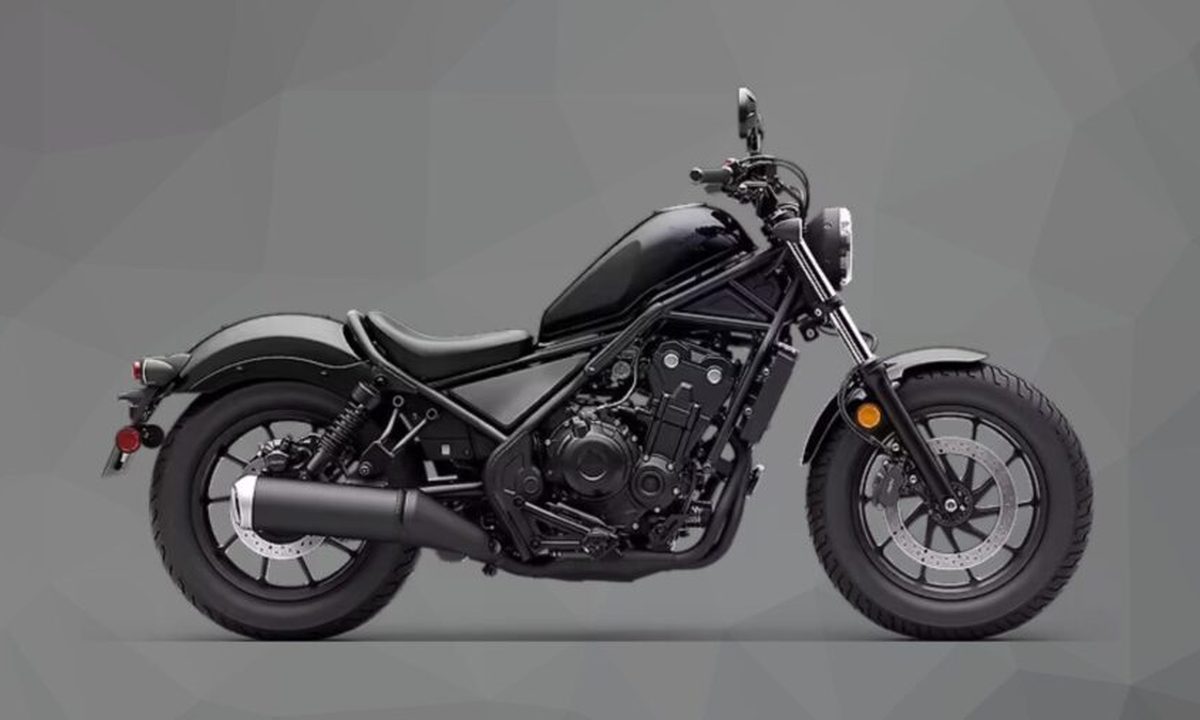
Honda’s Rebel 500 is coming to India as a made-in-country model, and it could land below the ₹4 lakh mark. That’s a significant move in a cruiser segment that’s largely been dominated by imported or pricier alternatives. The Japanese manufacturer recently showcased this middleweight cruiser alongside nine other premium bikes and scooters, signalling serious intent to expand its two-wheeler portfolio in India.
What is the Honda Rebel 500 India offering?
The Rebel 500 isn’t new to Indian roads—Honda initially brought it in as a completely built-up (CBU) import, which meant eye-watering prices. Shifting to local assembly changes the game entirely. A sub-₹4 lakh ex-showroom price would position the Honda Rebel 500 India as genuinely accessible to riders hunting for a proper cruiser without the premium tag that usually comes with the category.
This is a 471 cc parallel-twin engine cruiser with a low-slung stance, forward controls, and that characteristic cruiser ergonomics. The bike sits low, has a relaxed riding geometry, and appeals to riders who want style without aggression. Think boulevard cruising rather than highway sprinting.
Engine specs and performance
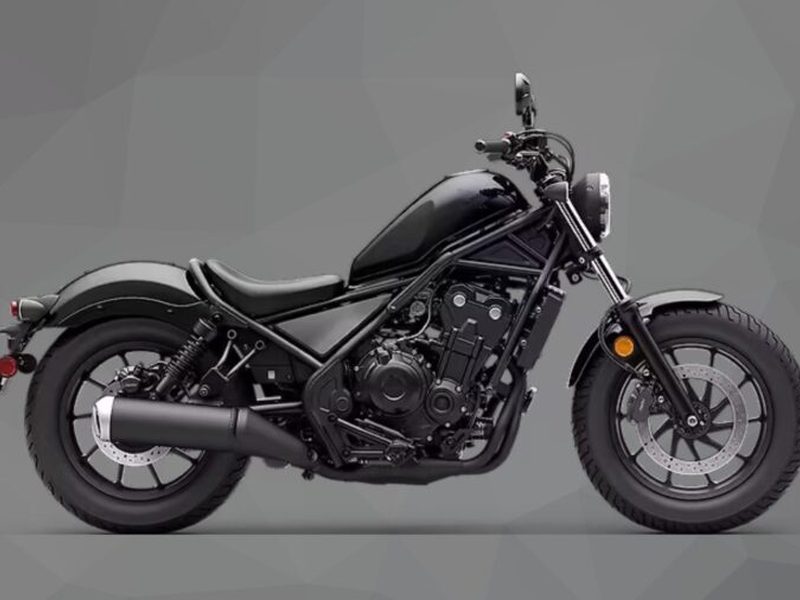
The Rebel 500 runs a liquid-cooled, 471 cc parallel-twin engine. In global markets, it produces around 46 bhp and 48 Nm of torque—figures that won’t set your heart racing but are more than adequate for cruising and city riding. Fuel injection, a five-speed manual gearbox, and a wet clutch are standard. The engine is known for being tractable and reliable, not temperamental.
For the Honda Rebel 500 India market, expect identical or very similar outputs. Torque delivery should be mid-range focused, making it easy to ride in traffic or on open roads without constant gear changes. Fuel efficiency typically sits around 28–32 km/l depending on riding style—respectable for a 471 cc twin.
Design and features
The Rebel’s design is retro-modern: a teardrop fuel tank, a minimalist headlight, whitewall tyres (likely), and a single-seat setup that screams cruiser. Ground clearance is adequate, though the low seat height—around 690 mm—is one of its key selling points. Short riders finally get a bike that doesn’t feel like a stretch.
Feature-wise, don’t expect a digital dash overload. The Rebel keeps things simple: analogue gauges, basic switchgear, and mechanical simplicity. That’s part of its charm and also why local assembly can keep costs down. There’s no fancy electronics to inflate the bill of materials.
How does it compare to rivals in India?
The sub-₹4 lakh pricing for Honda Rebel 500 India puts it in interesting territory. The Royal Enfield Classic 350, India’s cruiser benchmark, starts around ₹1.6–₹1.7 lakh. The Jawa Forty Two sits similarly. But those are 350 cc bikes with very different character.
Jump to actual mid-size cruisers and you’re looking at imports: the Harley-Davidson Street 750 (around ₹5.5 lakh), the Triumph Bonneville T100 (₹8+ lakh), or older Bajaj Avenger models in the ₹1.2–₹1.5 lakh range. The Rebel 500 would occupy a unique sweet spot—a genuine 500 cc cruiser at a price that doesn’t require a second mortgage.
Against the Jawa Perak (a retro-cruiser at ₹1.9 lakh), the Rebel brings a bigger engine, more refinement, and Japanese reliability. Against the Avenger 440, the Rebel wins on brand prestige and build quality. It’s not a direct competitor to anything currently in the Indian market, which makes the pricing strategy crucial.
Why local assembly matters
When Honda Rebel 500 India shifts from CBU imports to domestic manufacturing, the cost savings are substantial. Import duties, shipping, and handling costs disappear. Local assembly also allows Honda to adjust specifications for Indian conditions—suspension tuning, braking systems, and even engine calibration for our fuel quality.
This move also hints at Honda’s broader strategy in India’s two-wheeler market. The company has been expanding its premium motorcycle range, and the Rebel 500 signals confidence that there’s genuine demand for mid-size cruisers beyond the Royal Enfield faithful.
What about waiting periods and availability?
Honda hasn’t announced official launch timing yet, but the recent showcase suggests a launch window of late 2024 or early 2025. Initial waiting periods could be steep if demand outpaces supply—cruisers have a passionate following, and sub-₹4 lakh pricing for a 500 cc twin would be a first in India. Booking amounts and delivery timelines remain unknown.
The bottom line
The Honda Rebel 500 India has the potential to shake up the mid-size cruiser segment, which has been underserved in India. At sub-₹4 lakh, it’s positioned as a proper alternative to expensive imports and a significant step up from entry-level cruisers. The question isn’t whether the bike is good—it’s proven globally—but whether Indian riders are ready to embrace a 500 cc cruiser at that price point when a 350 cc Royal Enfield costs half as much. If Honda gets the pricing and positioning right, the Rebel could become the thinking rider’s cruiser choice. We’ll reserve final judgement until official specs and pricing are confirmed, but this looks like a calculated and timely move.
Frequently asked questions
What is the expected price of the Honda Rebel 500 India?
The Honda Rebel 500 India is expected to be priced under ₹4 lakh ex-showroom as a made-in-India model. This is significantly cheaper than earlier CBU imports.
What is the engine size and power of the Rebel 500?
The Honda Rebel 500 features a 471 cc liquid-cooled parallel-twin engine producing around 46 bhp and 48 Nm of torque, with a five-speed manual gearbox.
When will the Honda Rebel 500 India be launched?
An official launch date hasn’t been confirmed yet, but the recent showcase suggests availability in late 2024 or early 2025.