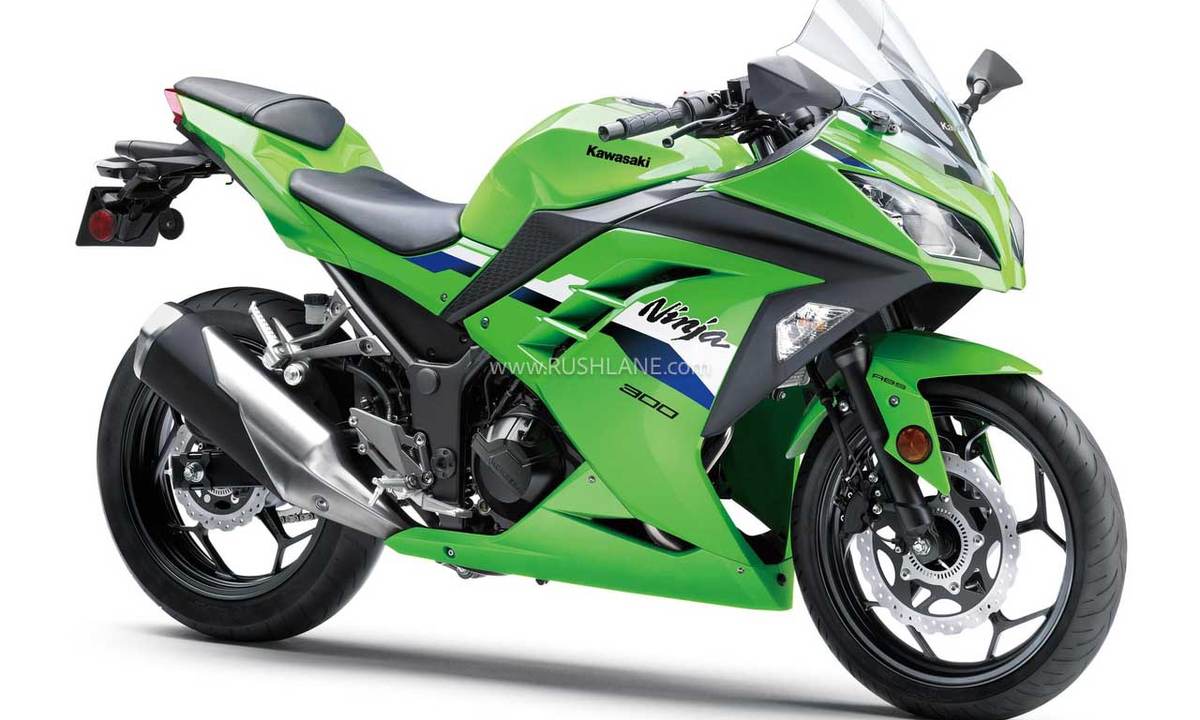
India Kawasaki Motors has quietly updated the Ninja 300 for 2027, announcing the bike at ₹3.34 lakh ex-showroom. If you’ve been following this segment, you’ll know the Ninja 300 has been a fixture in the affordable supersport category for years—and this refresh, while modest, keeps it relevant in a market where buyers are increasingly picky about what they’re paying for.
Kawasaki Ninja 300 launch 2027: What’s changed?
The Kawasaki Ninja 300 launch brings refreshed graphics and revised tyres as the headline updates. Nothing earth-shattering, but these aren’t cosmetic-only tweaks either. The new tyre compound is meant to offer better grip and handling characteristics—something that matters on a bike positioned as a learner-friendly supersport. Graphics get a visual refresh, though the overall silhouette remains unmistakably Ninja.
What’s striking is the single-variant, single-colour strategy. You get one option: take it or leave it. This isn’t uncommon for niche segments, but it does limit buyer choice. The 2027 update arrives with minimal structural or mechanical changes—the engine, frame, and running gear carry over from the previous generation.
Pricing and positioning
At ₹3.34 lakh, the Ninja 300 sits in a curious space. It’s positioned as an entry-level supersport, but the price represents a noticeable jump from the outgoing model year. For context, this puts it squarely against bikes like the Bajaj Pulsar NS 200 (around ₹1.3 lakh) and the KTM 250 Duke (₹2.3 lakh). Yes, the Ninja 300 is significantly more expensive, but it’s also a different animal—a proper twin-cylinder with a more aggressive riding posture and genuine supersport credentials.
The pricing strategy suggests Kawasaki isn’t chasing volume here. They’re banking on buyers who specifically want a lightweight, nimble supersport with brand cachet and aren’t price-sensitive. That’s a narrower audience than the Pulsar crowd, but a loyal one.
Engine and performance specs
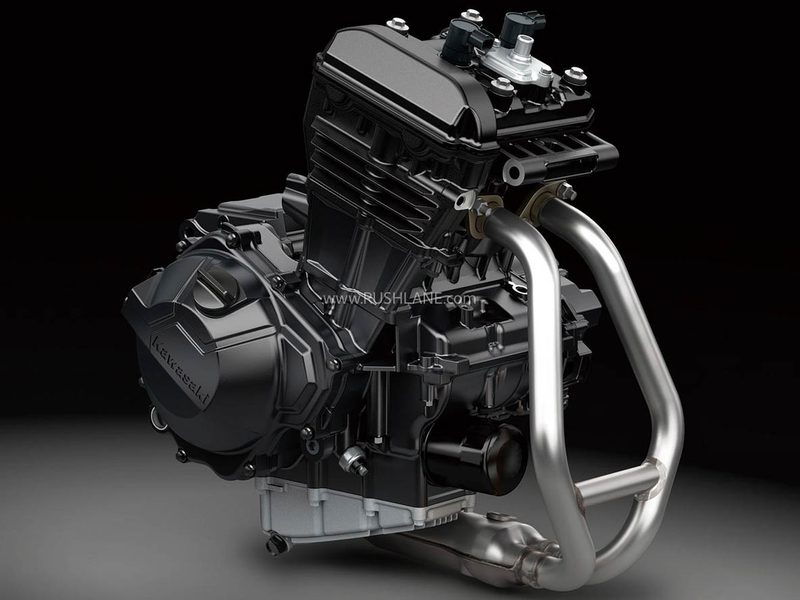
The 296cc parallel-twin engine continues to be the Ninja 300’s main draw. It produces around 26 hp and 27 Nm of torque—numbers that don’t sound impressive on paper but translate to a lively, linear power delivery in real riding. The engine is fuel-injected, refined, and reliable—qualities that have made the Ninja 300 a favourite among riders who value consistency over raw power.
Mileage sits in the 35-40 kmpl range depending on riding conditions, which is respectable for a twin-cylinder. The 8-litre fuel tank gives you a decent range between fill-ups, and the overall weight is kept low at around 168 kg (kerb), making it genuinely easy to handle for newer riders.
Where the Ninja 300 stands in 2027
The supersport segment in India has evolved considerably. Buyers now have access to more powerful 250cc and 300cc bikes from brands like KTM, Hero, and Bajaj. The Ninja 300 isn’t the performance leader—it never was. What it offers instead is a complete package: proven reliability, a heritage brand, comfortable ergonomics for daily commuting, and enough character to keep weekend rides engaging.
But here’s the catch: at ₹3.34 lakh, you’re paying a premium for the Kawasaki badge and the twin-cylinder experience. A KTM 250 Duke will give you more power for less money. A Pulsar NS 200 will cost you half the price. The Ninja 300 buyer is making a deliberate choice, not a default one.
The revised tyres and graphics suggest Kawasaki has listened to feedback about grip and aesthetics, but the updates feel incremental rather than transformative. For a bike that’s been in production for this long, a more substantial overhaul might have been expected. Then again, if it ain’t broken, why rebuild it entirely?
The bottom line
The Kawasaki Ninja 300 launch for 2027 keeps the bike alive, but only just. It’s a holding pattern rather than a bold statement. The price increase is real and will sting existing fans, while the minimal changes won’t sway new buyers who are shopping on value. Where the Ninja 300 succeeds is with a specific rider: someone who values brand heritage, wants a manageable middleweight, and has the budget to absorb the premium. For everyone else, the competition offers more bang per rupee. We’ll reserve judgment on real-world reliability and long-term resale value until more 2027 units hit the road, but the formula feels increasingly stretched.
Frequently asked questions
What is the price of the 2027 Kawasaki Ninja 300 in India?
The Kawasaki Ninja 300 launch 2027 is priced at ₹3.34 lakh ex-showroom. This represents a price increase over the previous model year.
What are the main updates in the 2027 Ninja 300?
The 2027 model gets revised tyres for improved grip and handling, refreshed graphics, and a visual update. Mechanically, the 296cc twin-cylinder engine and frame carry over unchanged.
How does the Ninja 300 compare to rivals like the KTM 250 Duke and Pulsar NS 200?
The Ninja 300 is significantly more expensive (₹3.34 lakh vs ₹2.3 lakh for the KTM 250 Duke and ₹1.3 lakh for the Pulsar NS 200), but offers a refined twin-cylinder engine, proven reliability, and a complete supersport package rather than raw performance.