
Maruti Suzuki has just announced another round of price corrections, with the Maruti Suzuki price increase kicking in from August 2026. The hikes will run as high as ₹30,000 depending on the model and variant, affecting the company’s entire passenger vehicle portfolio. This marks the second major price adjustment in recent months, signalling mounting cost pressures across the industry.
Timing and scope of the Maruti Suzuki price increase
The new pricing will take effect from next month, though Maruti has not yet detailed which specific models will absorb the largest increases. The ₹30,000 ceiling suggests variation across the range—entry-level hatchbacks like the Alto and S-Presso will likely see smaller bumps, while mid-segment offerings such as the Swift, Baleno, and Vitara Brezza could face steeper revisions. Buyers sitting on the fence should note that waiting beyond July could cost them significantly.
What makes this announcement noteworthy is the speed. A second Maruti Suzuki price increase within months points to persistent input cost inflation—raw material costs, logistics, and labour expenses haven’t stabilized. The company is clearly unwilling to absorb these pressures on its own margins, opting instead to pass them on to customers.
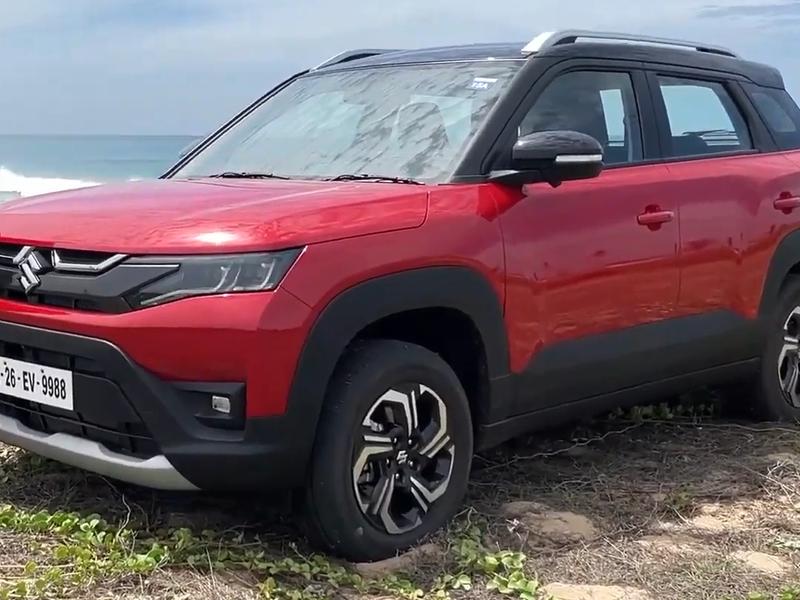
Impact on popular Maruti models
The Swift, one of India’s best-selling hatchbacks, will almost certainly see a price bump. The Baleno, which competes aggressively in the premium hatchback space, will also be affected. Maruti’s SUV lineup—the Vitara Brezza, XL5, and S-Cross—will face adjustments too. For buyers eyeing the Ertiga or Wagon R, the increases could push monthly EMIs higher or shrink the value proposition against rivals like the Hyundai i10, Tata Tiago, and Kia Picanto in the budget segment.
The Alto family deserves special mention. As the volume driver for Maruti and the gateway to car ownership for millions of Indians, even a modest ₹10,000–₹15,000 increase could nudge price-sensitive buyers toward used alternatives or competitor offerings. Maruti’s market share in the entry-level segment has already faced pressure from Tata and Hyundai in recent years.
Why this matters for your buying decision
If you’ve been considering a Maruti purchase, the clock is ticking. Booking one before August allows you to lock in current pricing, though delivery timelines vary by model and dealer. The waiting period for popular variants like the Swift automatic or Baleno CVT can stretch 6–8 weeks, so delays aren’t guaranteed to help you dodge the increase.
For those financing through loans, the higher on-road price translates directly into larger loan amounts and higher monthly instalments. A ₹30,000 jump on a ₹6 lakh car means roughly ₹800–₹1,000 extra per month over a 5-year tenure, depending on interest rates. That’s not trivial for middle-class buyers in Tier-2 towns where Maruti dominates.
Resale value is another consideration. Maruti cars typically hold their value better than rivals, but the new generation of buyers entering the market at higher prices could compress used-car values if demand softens. Early adopters who buy now might find their residual values under pressure 3–4 years down the line.
Competitive landscape after the Maruti Suzuki price increase
Hyundai’s i20 and Kia’s Seltos have been closing the gap on Maruti’s pricing. A ₹30,000 hike could tip the scales for cross-shoppers. The Tata Nexon and Mahindra XUV300 in the compact SUV space, and the Tata Altroz in premium hatchbacks, suddenly look more attractive on value. Maruti’s cost advantage—historically its strongest selling point—erodes with each price increase.
Honda and Renault, though smaller players, may also benefit from buyers seeking alternatives. The question is whether Maruti’s brand loyalty and service network can weather these successive increases without significant market share loss.
What’s driving the increases?
Maruti hasn’t officially itemized the cost drivers, but industry-wide pressures are clear. Steel prices have remained volatile. Semiconductor supply, while improving, still adds friction. Regulatory compliance costs—crash test standards, emission norms—continue to climb. Labour costs in manufacturing hubs like Gurugram and Manesar have also risen. The company is essentially saying it can’t absorb these headwinds alone.
The broader concern: if Maruti—the most cost-efficient carmaker in India—is raising prices by this magnitude, expect competitors to follow. This could mean a general price floor increase across the industry by late 2026.
The bottom line
Maruti Suzuki’s latest price increase is a reality check for anyone planning a car purchase this year. The ₹30,000 ceiling is steep enough to reshape buyer calculations, especially in the sub-₹10 lakh segment where Maruti owns nearly 40% market share. If you’re torn between a Maruti and a competitor, this is the moment to run the numbers again. Waiting for a discount or festive offer in September or October is risky—dealers may simply absorb the increase into their margin rather than pass savings to customers. Book now if the model is on your list, or be prepared to pay more. The next few weeks will determine whether Maruti’s loyal customer base accepts these hikes or finally explores alternatives.
Frequently asked questions
When does the Maruti Suzuki price increase take effect?
The price increase comes into effect from August 2026. Bookings confirmed before the increase takes effect should lock in current pricing, though delivery timelines may vary.
Which Maruti models will be affected by the price increase?
The increase applies across Maruti’s entire passenger vehicle range, including the Swift, Baleno, Vitara Brezza, Alto, Wagon R, Ertiga, and others. Exact increases per model have not yet been disclosed.
How much will the Maruti Suzuki price increase add to my EMI?
A ₹30,000 increase on a typical ₹6 lakh car translates to roughly ₹800–₹1,000 extra per month on a 5-year loan, depending on interest rates and the final on-road price.