Maruti Suzuki’s June 2026 performance signals strong momentum in India’s passenger vehicle market. The country’s largest automaker shipped 1,47,187 units last month, marking a robust 24 percent jump from 1,18,906 vehicles sold in June 2025. This growth trajectory underscores sustained demand across both entry-level and mid-segment offerings, even as competition intensifies.
Maruti Suzuki sales June 2026: The headline numbers
The 1.47 lakh-unit tally represents a meaningful acceleration for Maruti. A quarter-million-unit swing year-on-year—roughly 28,000 additional vehicles—points to either expanding market share or category-wide growth, likely both. For context, this places Maruti well ahead of rivals in absolute volume, a position the company has held for over two decades.
What drives this number? A mix of factors: new model launches (the Victoris compact sedan and updated Brezza compact SUV), pent-up demand ahead of monsoon season, and aggressive inventory build for the festive quarter ahead. Dealerships across metro cities and Tier-2 towns were reportedly well-stocked by end-June.
Which models led Maruti Suzuki’s June 2026 sales surge?
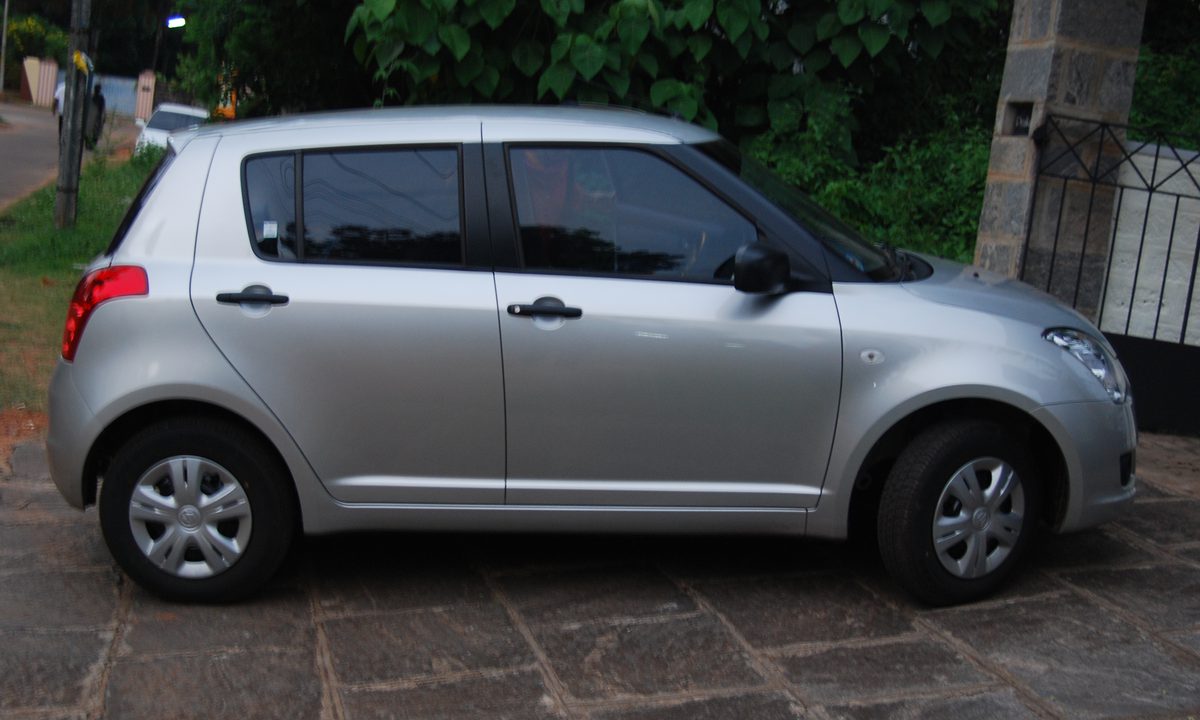
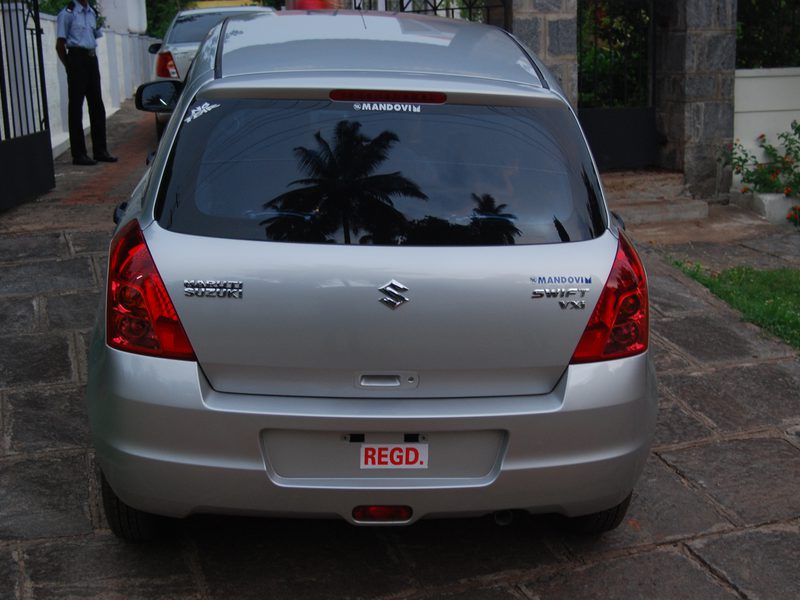
The Swift hatchback crossed the 10,000-unit monthly threshold, cementing its status as India’s best-selling car in its segment. The Dzire compact sedan—Swift’s sedan sibling—also breached five figures, a testament to the enduring appeal of affordable, no-frills sedans in smaller cities and rural markets where resale value and brand trust matter most.
The Fronx compact crossover, launched in 2023, has matured into a volume driver. Its positioning between the Swift and the Brezza—and aggressive ex-showroom pricing starting under ₹7 lakh—has carved out meaningful demand. The Victoris, Maruti’s fresh entrant in the compact sedan space, shipped over 10,000 units in its debut month, a respectable start that suggests buyers are willing to trade up from the Dzire for marginally better features and a more modern design language.
The Brezza compact SUV, long a bestseller, continued its steady run. The Ertiga MPV and Wagon R also posted healthy numbers—both vehicles serve niche but loyal customer bases (families seeking seven seats, and budget-conscious first-time buyers, respectively). The Alto, Maruti’s volume workhorse in the entry-level hatchback segment, remained a steady contributor despite its aging design.
The Baleno premium hatchback rounded out the top performers, appealing to young professionals in metro cities who value a combination of style, efficiency, and warranty support.
What’s driving Maruti Suzuki sales growth in June 2026?
Three factors stand out. First, new product launches—the Victoris and refreshed Brezza—inject excitement and expand addressable market. Second, pre-monsoon purchasing patterns: buyers often accelerate purchases before the July-September season when road conditions deteriorate and dealership traffic dips. Third, festival season inventory building: with Diwali and year-end festivities ahead, both dealers and captive finance arms stock aggressively to capture seasonal demand.
Maruti’s cost leadership also plays a role. With petrol and diesel variants across most models, and a dealer network that rivals can’t match outside metros, Maruti captures customers at price points where competitors struggle to compete. The Swift at ₹5.5 lakh ex-showroom (base petrol) and the Dzire at ₹6.2 lakh have few direct rivals offering equivalent value.
Maruti Suzuki sales June 2026 in perspective: What rivals are doing
Hyundai, Tata Motors, and Mahindra are chasing hard, but none match Maruti’s volume. Hyundai’s i20 and Creta compete fiercely in the hatchback and compact SUV segments respectively, while Tata’s Nexon and Altroz have gained traction among buyers seeking stronger warranty terms and connected-car features. However, Maruti’s 24 percent growth outpaces industry estimates for the broader market, suggesting the company is either gaining share or benefiting disproportionately from category-wide momentum.
One caveat: June 2025 was a softer month (post-election lull, monsoon uncertainty), so the year-on-year comparison is somewhat inflated. A month-on-month view would be more telling, but those figures aren’t available here.
The bottom line: What this means for buyers and the market
Maruti Suzuki’s sales June 2026 performance reflects a healthy, growing market for affordable cars. For buyers, this is broadly positive: competition drives innovation and value. Maruti’s volume leadership means strong resale value, abundant spare parts, and a vast service network—practical advantages that matter more to most Indian buyers than cutting-edge infotainment or autonomous features.
That said, the company faces mounting pressure to modernize its product lineup. The Swift and Dzire are aging, and while the Victoris and Fronx are fresher, they’re not segment leaders in terms of features or technology. As rivals introduce more connected cars and electric options, Maruti’s reliance on conventional petrol and diesel powertrains—and its slower-than-expected EV rollout—could eventually dent growth. For now, though, affordability and ubiquity remain unbeatable advantages in a market where the median buyer prioritizes reliability and low running costs over gadgetry.
Frequently asked questions
How much did Maruti Suzuki sales June 2026 grow compared to last year?
Maruti Suzuki sales June 2026 reached 1,47,187 units, a 24 percent increase from 1,18,906 units sold in June 2025—an addition of approximately 28,000 vehicles.
Which Maruti models sold over 10,000 units in June 2026?
The Swift, Dzire, Fronx, Victoris, and several others crossed the 10,000-unit monthly threshold, with the Swift and Dzire leading as Maruti’s volume champions.
Why did Maruti Suzuki sales June 2026 spike so significantly?
New launches (Victoris, refreshed Brezza), pre-monsoon purchasing patterns, festive season inventory building, and Maruti’s cost leadership across segments all contributed to the growth.