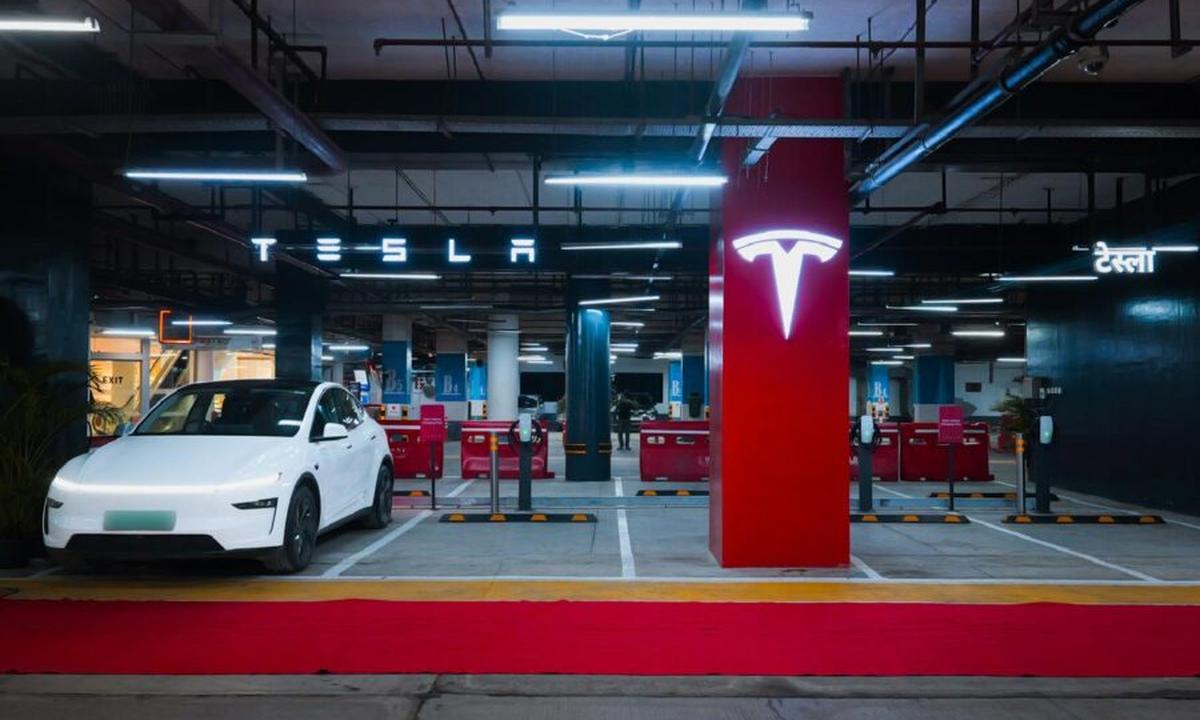
Tesla has quietly expanded its charging footprint across India by adding another location to its growing network. The company’s Tesla Destination Charging India initiative now covers seven sites, with the latest addition at Lake Shore Thane—a shopping destination in the Mumbai metropolitan region—opening its doors to Tesla owners seeking convenient charging while they shop or dine.
This incremental but steady expansion signals Tesla’s longer-term play in India beyond just selling cars. While the company has faced regulatory hurdles and production delays, it’s methodically building the charging ecosystem that EV owners actually need. The new Thane facility joins an existing network that now spans premium shopping malls, hotels, and leisure destinations across key metros.
What Tesla Destination Charging India means for owners
Destination charging differs fundamentally from Supercharging. These aren’t highway pit-stops designed for 15-minute top-ups. Instead, Tesla Destination Charging India locations are meant for owners to park for 2–4 hours while shopping, dining, or catching a movie. The charging happens slowly—typically adding 25–30 km of range per hour—but it’s free or subsidized, and it’s integrated into spaces where people naturally spend time anyway.
For a Thane-based Tesla owner, the Lake Shore facility removes a real pain point. You’re no longer tethered to home charging or forced to seek out random third-party chargers. Shopping trips, weekend outings, and restaurant visits become charging opportunities. It’s a quality-of-life feature that the early EV adopter base—mostly in Tier-1 metros—desperately needs.
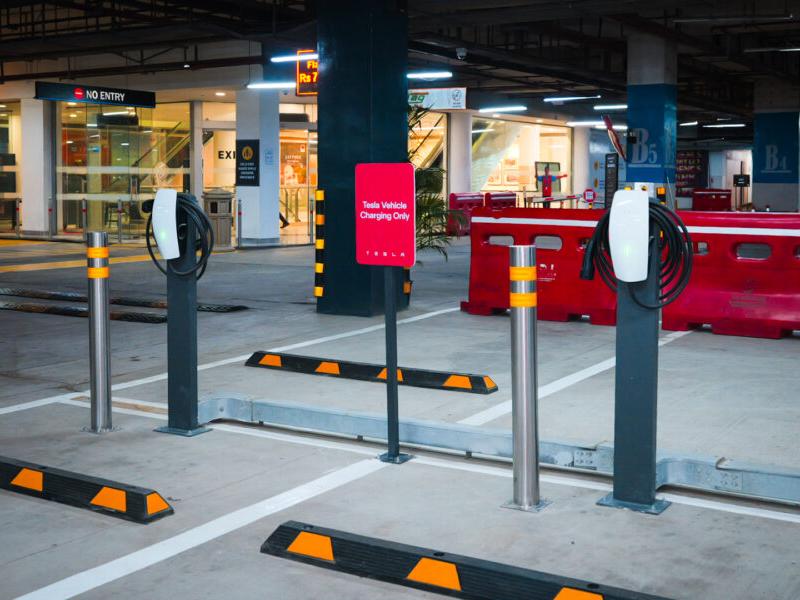
The seven-location network and its reach
With seven destination charging hubs now live, Tesla is betting on a strategy that works in mature EV markets like the US and Europe: embed charging into the customer’s daily routine rather than treating it as a separate errand. The Thane addition expands reach into the Mumbai suburbs, where Tesla’s customer base is growing. Other locations are expected to span premium shopping destinations and five-star hotel chains across metros like Delhi, Bengaluru, and Hyderabad—though exact details on all seven sites remain sparse.
This approach sidesteps the massive infrastructure investment required to build a nationwide Supercharger network. Tesla leverages existing property owners—malls, hotels, restaurants—to handle installation and maintenance. The company provides the chargers and tech; partners provide the real estate and footfall.
Why this matters now
India’s EV adoption is still nascent. Tesla hasn’t launched a single car here yet, though the Model 3 and Model Y are widely expected to arrive once local assembly begins. But the company is preparing the ground. Destination charging is a low-risk, high-visibility way to signal commitment to the Indian market without betting the farm on production infrastructure.
For other EV makers already selling in India—BYD, MG Motor, Tata—this move highlights a gap. Most have focused on fast-charging networks for highway travel or office charging. Destination charging, embedded into shopping and hospitality ecosystems, remains underexploited. Tesla is quietly claiming that territory first.
The catch: Limited scale for now
Seven locations across a country of 1.4 billion people is still a drop in the ocean. For most Indian EV buyers outside major metros, this network is irrelevant. And even in cities where these hubs exist, availability is restricted to specific premium destinations—Lake Shore Thane, for instance, caters to a particular demographic with the disposable income to buy a Tesla.
The real test will be whether Tesla accelerates this rollout once it launches vehicles. If the company opens for bookings in 2025 as rumoured, the pressure to expand destination charging will intensify. Seven locations won’t cut it when you’re selling thousands of cars annually.
What comes next
Tesla’s phased approach to charging infrastructure suggests patience. The company isn’t trying to out-build the competition overnight. Instead, it’s establishing beachheads in high-visibility, high-traffic locations where Tesla owners congregate. As the fleet grows, so will the network. The Thane hub is a marker that this expansion is ongoing, not a one-off announcement.
For prospective Tesla buyers in India, the takeaway is straightforward: charging infrastructure is being built before you even buy the car. That’s a statement of intent that matters more than the raw number of locations today.
The bottom line
Tesla Destination Charging India’s expansion to seven locations, anchored by the new Thane facility, is less about solving India’s charging crisis and more about Tesla laying groundwork for its eventual market entry. It’s smart, unglamorous infrastructure play—exactly what the Indian EV market needs, even if it doesn’t make headlines. Whether this network proves sufficient once Tesla actually starts selling cars here remains the open question.
Frequently asked questions
What is Tesla Destination Charging, and how is it different from Supercharging?
Destination Charging is slow, free or subsidized charging at shopping malls, hotels, and restaurants where you park for 2–4 hours. Supercharging is fast, paid charging at highway hubs for 15–30 minute top-ups. Destination charging is for daily convenience; Supercharging is for long-distance travel.
Where are the seven Tesla Destination Charging India locations?
Exact details on all seven sites aren’t fully public, but they span premium shopping destinations and five-star hotels across metro cities including Mumbai (Lake Shore Thane), Delhi, Bengaluru, and Hyderabad.
Can I use these chargers if I don’t own a Tesla yet?
These are Tesla-exclusive chargers, so you’ll need a Tesla vehicle to access them. However, Tesla plans to open some chargers to other EV brands in the future, as it has done in select markets.