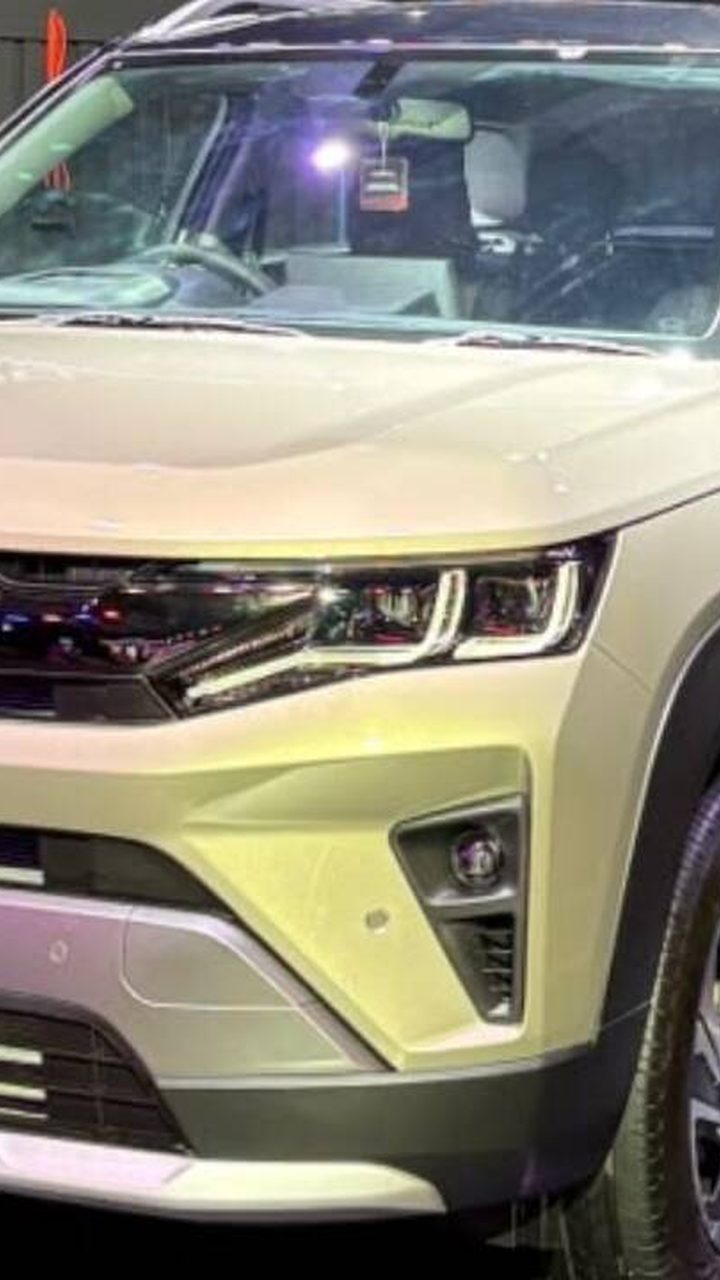
Brezza returns turbocharged at ₹7.40 lakh
Maruti's best-selling compact SUV is back with a 1.0L turbo petrol engine and Advanced Driver Assistance Systems (ADAS)—finally addressing the power and safety complaints that plagued the old model. Introductory pricing holds the line while loading in serious tech.
Design gets sharper, cabin gets smarter
The 2026 refresh brings a revised front grille, updated bumpers, and a more contemporary stance. Inside: a larger touchscreen infotainment system with improved connectivity. It's a meaningful visual and functional upgrade, not just a badge refresh.
ADAS is now standard—a first for Brezza
Automatic emergency braking, lane-keep assist, and adaptive cruise control arrive depending on variant. For a car starting at ₹7.40 lakh, this safety tech leap is substantial. ADAS wasn't standard on the outgoing model—buyers demanded it, Maruti delivered.
Turbo petrol replaces underpowered naturally aspirated
Out goes the 1.2L NA petrol; in comes the 1.0L Boosterjet turbo—same unit powering the Baleno and Fronx. Expect better low-end response, improved efficiency, and the performance buyers increasingly demand. Manual standard; automatic on higher trims.
Venue and Sonet face real competition now
Hyundai Venue starts at ₹7.41L (virtually price-matched), Kia Sonet at ₹7.99L. The new turbo Brezza outpunches Venue's 83 PS NA engine and matches Sonet's turbo performance. Brezza's unmatched reliability and service network remain its trump card.
Price hike likely within 2–3 months
Introductory ₹7.40L pricing won't last. Expect at least 3–4 trim variants climbing toward mid-₹10L for fully loaded models. Waiting period: 3–4 months given Brezza's popularity. Early buyers get maximum value; patience will cost more.
Smart refresh solves real buyer complaints
The turbo engine fixes the 'underpowered' gripe. ADAS is now table stakes. Aggressive pricing on performance-per-rupee is hard to beat. Trade-off: 3–4 month wait and stabilizing resale value. For Tier-2 towns, this is an easy choice.