TVS just dethroned Hero MotoCorp
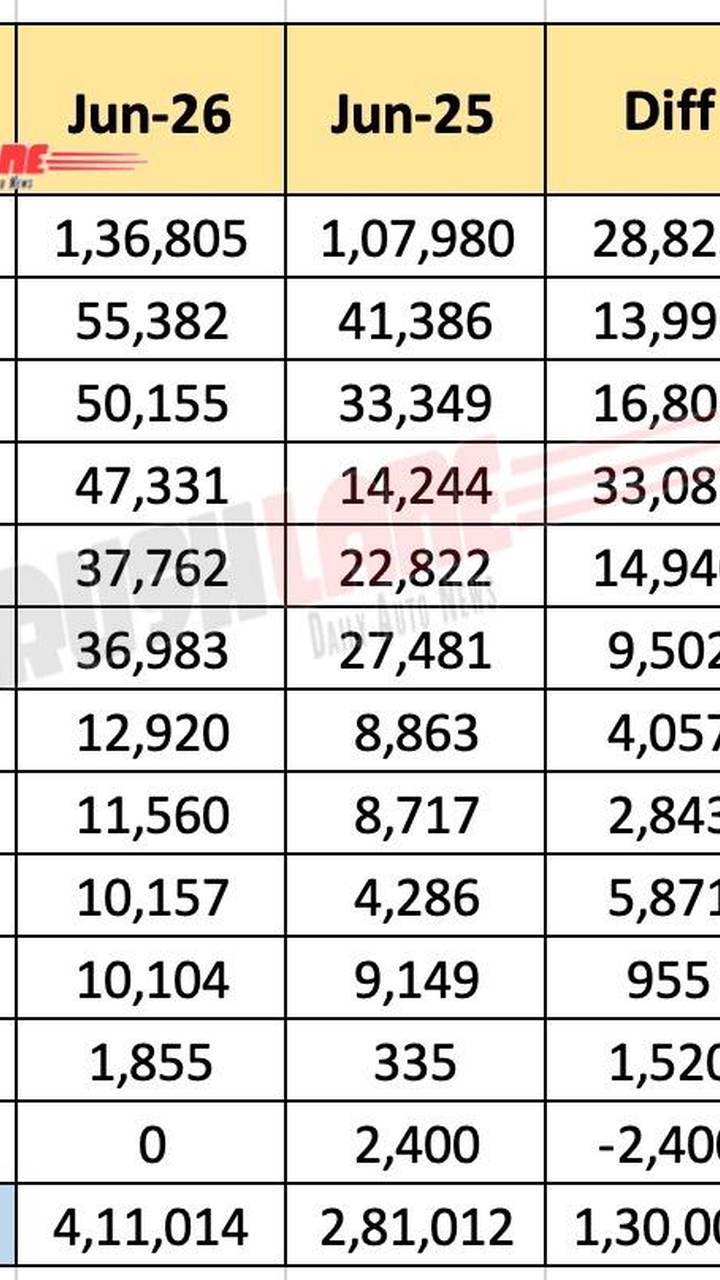
In June 2026, TVS clocked 5,65,417 units—leapfrogging Hero's 5,41,159 and Honda's 5,28,281. A 24,000-unit gap puts TVS firmly on top. This marks a decisive shift in India's two-wheeler rankings after decades of Hero dominance.
Jupiter and Apache drive the surge
The Jupiter commuter remains TVS's volume engine, anchoring sales in towns where affordability matters. The Apache naked bike keeps younger buyers engaged in the performance segment. Together, these two workhorses form the backbone of TVS's market leadership.
Electric scooters are now real players
The iQube has moved beyond niche status and contributes meaningfully to June figures. While still a fraction of total volumes, electric scooters signal TVS's hedge against long-term battery adoption—a bet Hero has been slower to make.
New launches inject fresh energy
The Raider, Ronin, Radeon, and RTX have carved distinct market slices. The Ntorq dominates metro automatic segments. This portfolio spread across commuter, performance, and electric segments gives TVS advantages competitors struggle to match.
Hero feels pressure from below
Hero's commuter stronghold—Splendor, Passion, HF Deluxe—faces real competition from the Jupiter's longevity reputation in smaller towns. Honda, positioned premium, naturally limits its volume game. The three-way race is tight but measurable.
Better dealers, parts, resale value
Higher sales volume means stronger dealer networks, spare parts availability, and resale confidence for buyers. TVS service centers now reach most towns. Owning a TVS—whether Jupiter or Apache—no longer feels like a second choice.
Can TVS hold the lead?
One quarter doesn't guarantee a trend, but momentum is real. The next two quarters will reveal if this is structural shift or temporary blip. Hero has resources to fight back; TVS must keep iQube competitive and defend Jupiter's turf.