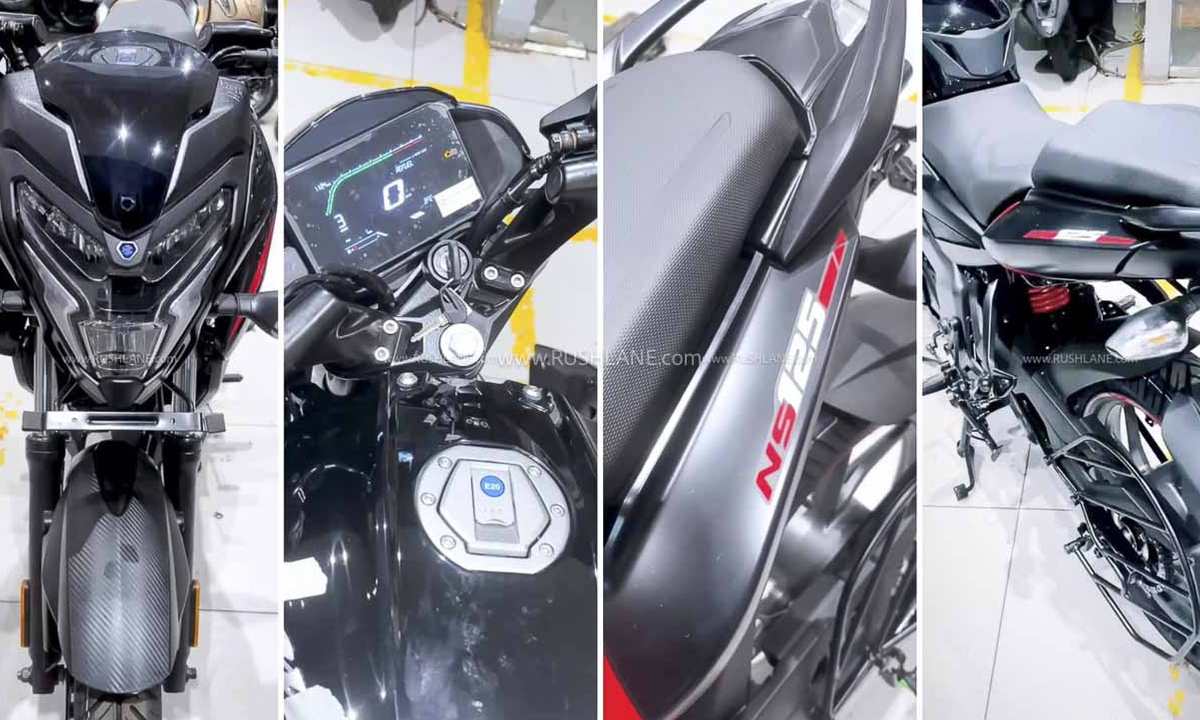
Bajaj’s 125cc sports segment is about to get a refresh. The <strong>Bajaj Pulsar NS125 has been spotted at dealerships across India with a redesigned instrument cluster and a new palette of colours, signalling an imminent launch in 2026. The sightings also hint that a refreshed classic Pulsar 125 variant is on the way.
What the dealer sightings reveal
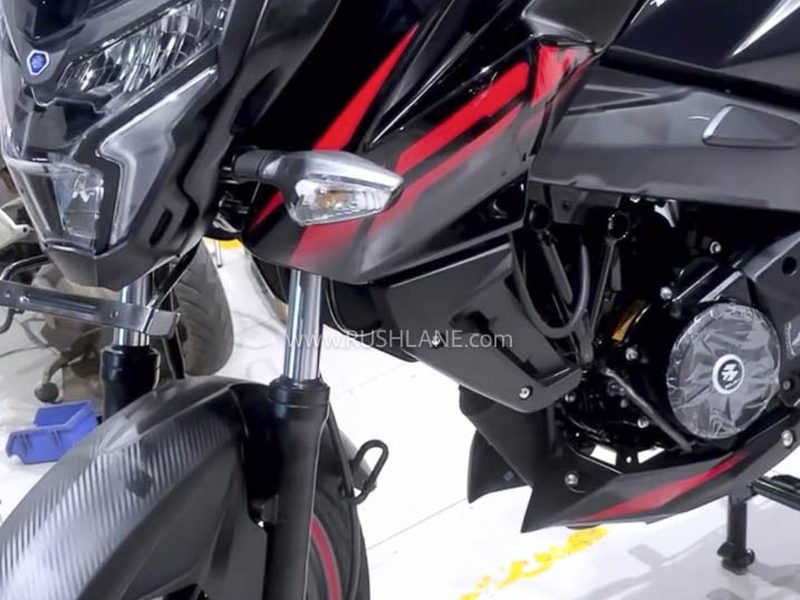
The spy shots show the Pulsar NS125 wearing what appears to be a modern digital display—a clear step up from the existing analogue unit. This upgrade brings the entry-level sports bike closer to the feature set of higher-capacity Pulsar models, which have increasingly shifted to digital or semi-digital instrument panels. The new colour options spotted include what looks like fresh metallic and matte finishes, departing from the current generation’s relatively conservative palette.
Dealer stockings of test units typically precede a launch by weeks, not months. That Bajaj has already begun positioning these bikes suggests the company is targeting a launch window in the coming months, likely timed to catch the festive season buying surge or early 2026 demand.
The Bajaj Pulsar NS125 positioning
The Pulsar NS125 occupies an interesting space in India’s 125cc segment. It’s sportier than the classic Pulsar 125, with a more aggressive stance, sharper styling, and a slightly more powerful engine. Yet it costs significantly less than the 150cc and 160cc sports bikes that dominate enthusiast conversations. For first-time buyers in Tier-2 and Tier-3 towns, or for those upgrading from 100cc commuters, the NS125 has always offered a compelling blend of style and affordability.
A digital display is a meaningful addition at this price point. It signals that Bajaj isn’t content to let the NS125 stagnate while competitors—particularly Hero and TVS in the 125cc segment—keep iterating. The new colours, meanwhile, address a common complaint from younger buyers: the previous generation looked dated compared to sportier rivals.
Timing and market context
The 125cc segment has seen modest but steady growth in India. While 150cc bikes have cannibalized some demand, the 125cc space remains relevant for budget-conscious buyers and those in smaller towns where fuel efficiency and lower insurance costs matter. Bajaj’s move to refresh the Pulsar NS125 suggests confidence in this segment’s longevity.
The parallel update to the classic Pulsar 125 also makes sense. Bajaj’s strategy appears to be keeping both variants fresh simultaneously—the NS for those wanting sporty styling, the classic for traditionalists who prefer a more understated look. This dual-track approach has worked for Bajaj in the past and keeps the brand’s 125cc portfolio competitive against Hero’s Glamour and Passion Pro, or TVS’s Star City Plus.
What we expect from the refresh
Beyond the digital display and new colours, the updated Bajaj Pulsar NS125 is unlikely to see major mechanical changes. The current engine—a 125cc, air-cooled, single-cylinder unit—already delivers adequate power and torque for the segment. Expect the same displacement, similar performance figures, and the same fuel efficiency that has made the NS125 popular with commuters who occasionally want to feel like they’re riding something sportier.
Pricing should remain competitive. The current NS125 sits around ₹70,000–₹75,000 on-road (ex-showroom closer to ₹60,000). A digital display and fresh colours shouldn’t justify a significant price hike, so expect the refreshed model to slot in at similar or marginally higher levels. That positioning keeps it well below the 150cc segment while offering more visual appeal than the classic variant.
The bigger picture
These sightings matter because they show Bajaj is still investing in the 125cc space at a time when many manufacturers have shifted focus to higher-displacement bikes and electric two-wheelers. While the 125cc segment may not generate the same excitement as 200cc+ sports bikes or electric scooters, it remains a high-volume, high-margin business in India. Keeping the Pulsar NS125 fresh is a smart way to maintain market share among price-sensitive buyers.
The digital display, in particular, is a smart move. It’s not a game-changer, but it’s a visible upgrade that appeals to younger buyers scrolling through online reviews and comparing spec sheets. It costs Bajaj relatively little to implement but significantly improves perceived value.
The bottom line
The refreshed Bajaj Pulsar NS125 isn’t a revolutionary reimagining. But for the segment it serves—first-time sports bike buyers and efficiency-conscious commuters—it’s a sensible update that keeps the model relevant. The new digital display and colours address the two areas where the previous generation felt most dated. If Bajaj prices it right and launches within the next few months, expect healthy initial sales, particularly in smaller towns where the Pulsar brand remains deeply trusted. The real question is whether a cosmetic refresh is enough to fend off electric two-wheelers, which are rapidly becoming affordable at this price point. We’ll reserve final judgement until the official specs and pricing are announced.
Frequently asked questions
When will the Bajaj Pulsar NS125 be launched?
While an official date hasn’t been confirmed, dealer sightings suggest a launch in early 2026, likely before or during the festive season buying window.
What are the main changes to the Bajaj Pulsar NS125?
The refreshed Pulsar NS125 features a new digital instrument display and updated colour options. Mechanical specs are expected to remain largely unchanged.
How much will the updated Bajaj Pulsar NS125 cost?
Exact pricing hasn’t been announced, but expect the refreshed model to be priced similarly to or slightly higher than the current generation, which sits around ₹70,000–₹75,000 on-road.