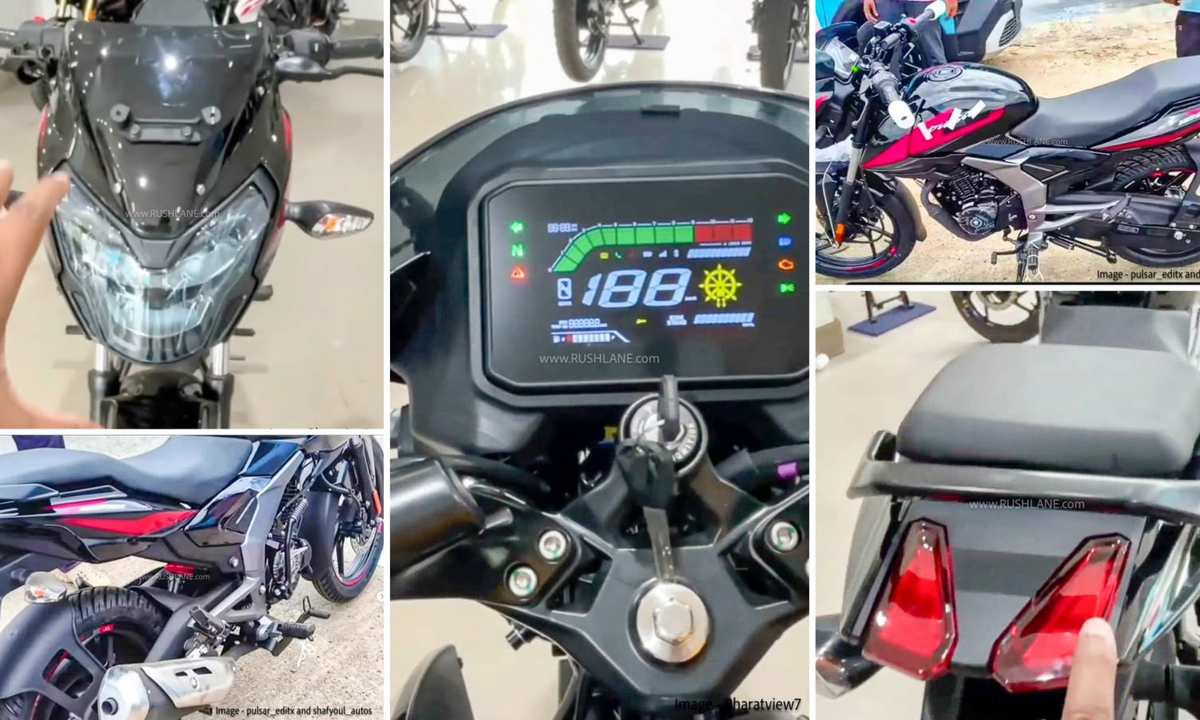
The next-gen Bajaj Pulsar 125 is already making rounds at dealerships across the country, and it’s bringing a meaningful refresh to India’s most accessible middleweight commuter bike. Unlike the usual teaser campaign, this new iteration has been caught undisguised at showrooms, revealing a host of mechanical and cosmetic upgrades that suggest Bajaj is serious about keeping the 125cc segment competitive.
What’s Changed on the Bajaj Pulsar 125
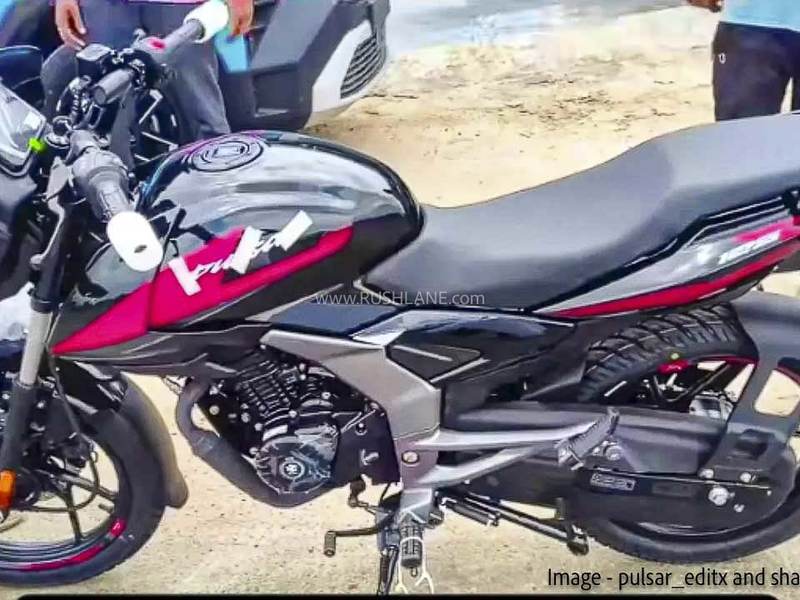
The updates span both hardware and interface. Most significant is the shift to a monoshock rear suspension—a move that elevates the Pulsar 125 into territory previously reserved for slightly pricier rivals. This single-sided damper should translate to better bump absorption and a slightly more composed ride quality, though we’ll reserve final judgment until seat time.
The instrument cluster has grown noticeably. The new Bajaj Pulsar 125 features a larger digital display, moving away from the smaller, basic unit on the current model. This bigger screen likely brings more readability and possibly additional trip data—features that matter on long commutes or highway runs where you’re monitoring fuel consumption and distance.
Styling changes are equally apparent. Both the headlight and taillight have been redesigned, giving the bike a fresher, more contemporary face. The headlight appears sharper and more angular, while the rear lamp follows the same design language. These aren’t revolutionary changes, but they’re enough to make the refreshed Bajaj Pulsar 125 look intentional rather than stale.
Platform and Build
The spy shots confirm the Bajaj Pulsar 125 rides on a revised platform. Whether this is a ground-up redesign or a significant evolution of the existing frame remains unclear, but the geometry changes are noticeable. The bike appears slightly more planted, with what looks like revised chassis geometry to accommodate the new suspension setup.
Build quality and finish appear to have received attention as well. The panels look tighter, and the overall fit-and-finish seems more refined than the outgoing model—something that matters when you’re buying a bike that’s expected to run for 8-10 years with minimal fuss.
Why This Matters for the 125cc Segment
The 125cc category is where most Indian first-time bike buyers make their entry. It’s also where loyalty is built. The current Pulsar 125 has held strong against competition from the Hero Splendor, Honda CB Shine, and TVS Sport, but rivals have been incrementally improving. A monoshock and larger display aren’t flashy upgrades, but they’re the kind that make daily commuting less frustrating.
For someone doing 40-50 km daily in city traffic or covering longer distances on weekends, that monoshock will reduce fatigue. The bigger screen means you’re not squinting at trip data. These are practical, rider-focused improvements—not marketing gimmicks.
Expected Launch and Pricing
A formal launch hasn’t been announced yet, but the fact that the new Bajaj Pulsar 125 is already visible at dealerships suggests an unveiling is weeks away, not months. Bajaj typically launches new two-wheeler models during festive season or early calendar year, so expect an announcement sometime in the coming quarter.
Pricing is the big unknown. The current Pulsar 125 sits around ₹65,000-70,000 ex-showroom depending on variant. With a monoshock, larger display, and revised platform, the new model could command a premium of ₹3,000-5,000. That would still keep it competitive against the Splendor and CB Shine, which don’t offer similar suspension sophistication at comparable price points.
The Catch
Here’s where we need to be honest: a monoshock alone doesn’t make a 125cc bike revolutionary. The engine is almost certainly unchanged—Bajaj’s 125cc powerplant has been reliable and adequate for a decade, and there’s no reason to overhaul it. Fuel efficiency, top speed, and acceleration will likely remain in the same ballpark as before.
What you’re really getting is a more refined package. Better suspension comfort, a cleaner instrument interface, and a fresher look. For a bike that spends most of its life in stop-start traffic or on crowded city roads, that’s genuinely useful. For someone chasing performance or planning long highway tours, the Pulsar 125 has never been the answer anyway.
The Bottom Line
Bajaj isn’t trying to reinvent the Pulsar 125—it’s iterating smartly. A monoshock rear, bigger display, and sharper styling address real pain points without chasing unnecessary complexity. In a segment where buyers often ride the same bike for a decade, these incremental upgrades feel earned rather than forced. The real test will be whether the on-road price stays reasonable. If Bajaj prices the new Pulsar 125 within ₹5,000 of the current model, it becomes a no-brainer choice over aging rivals. Price it higher, and suddenly the value proposition gets murkier. We’ll know soon enough.
Frequently asked questions
When will the new Bajaj Pulsar 125 launch?
An official launch date hasn’t been announced, but the bike is already visible at dealerships, suggesting a formal unveiling is likely within the coming weeks or months. Bajaj typically launches new two-wheelers during festive season or early in the calendar year.
What’s the expected price of the new Bajaj Pulsar 125?
The current model sits around ₹65,000-70,000 ex-showroom. With the monoshock, larger display, and revised platform, the new Pulsar 125 could cost ₹3,000-5,000 more, though exact pricing will be revealed at launch.
Does the new Pulsar 125 get a bigger engine?
There’s no indication of an engine change. The upgrades focus on suspension, display, and styling rather than increased displacement or power. The current 125cc powerplant is expected to carry over.