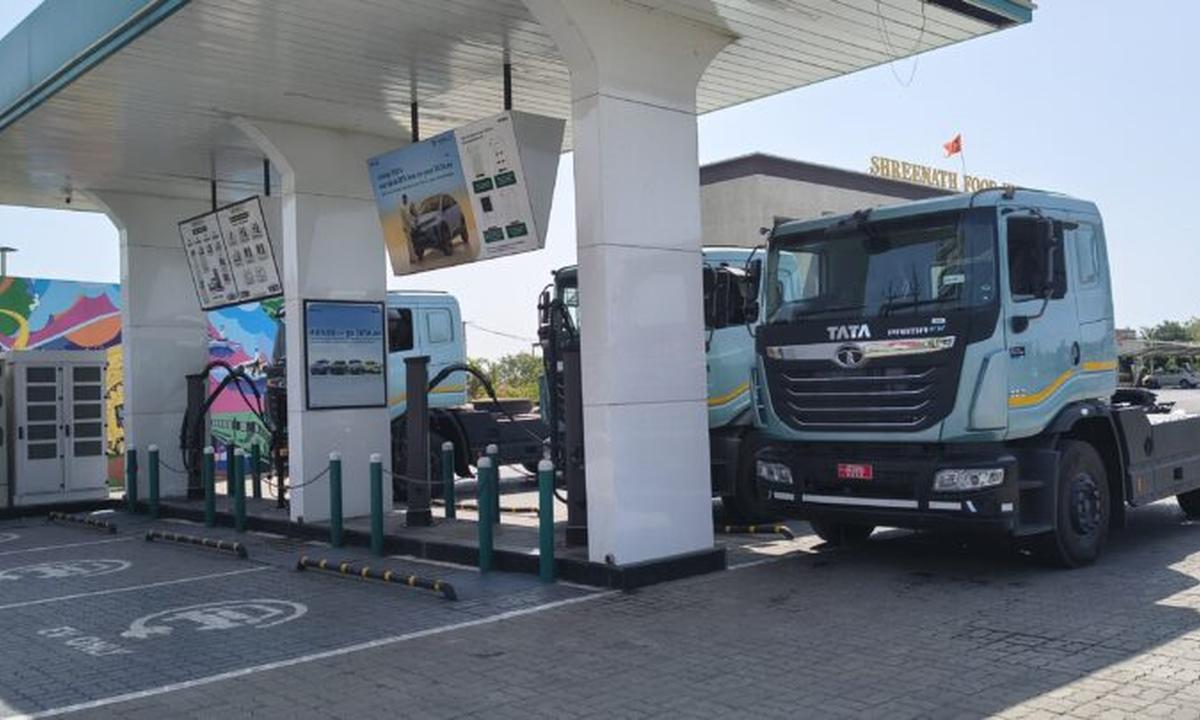
ChargeZone EV charging stations just landed a massive ₹10,500 crore in commercial deals—and they’re planning to roll out 1,000 new charging hubs. For a country where electric buses and trucks are becoming the norm on highways, this isn’t just infrastructure noise. It’s the backbone that makes long-haul EV logistics actually viable.
Why commercial EV charging is a different beast
Here’s the thing most people miss: an office worker charging a Nexon EV at home overnight is one problem. A fleet operator running 50 electric buses or a truck driver doing Delhi-to-Mumbai runs daily? That’s a completely different animal. They can’t wait around. They need predictable, fast charging at fixed points along their routes, and they need it every single day without fail.
This is where ChargeZone EV charging stations come in. The company has clearly understood that India’s EV transition isn’t just about passenger cars anymore. Commercial fleets are moving to electric, and the charging infrastructure has to keep pace or the whole thing stalls.
The ₹10,500 crore deal breakdown
The scale here matters. ₹10,500 crore in signed commercial agreements tells you that fleet operators, logistics companies, and bus manufacturers are serious about going electric. They’re not just testing the waters—they’re committing capital. These deals likely cover everything from installation and maintenance contracts to long-term charging agreements with predictable pricing.
For ChargeZone EV charging stations, this validates their business model. They’re not chasing individual car owners; they’re building a B2B empire around commercial vehicle operators who have genuine, recurring charging needs. That’s a stickier revenue stream than hoping passenger car buyers use your network.
1,000 new stations: where they matter most
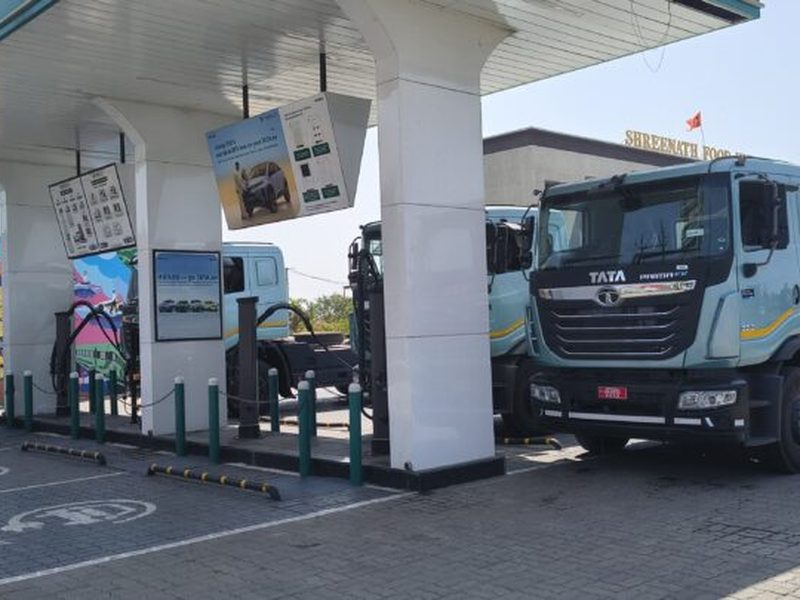
Expanding ChargeZone EV charging stations to 1,000 new locations is ambitious, but the placement is what counts. These won’t be random. They’ll go where commercial routes are busiest—highway corridors, logistics hubs, fleet depots, and inter-city transit points. A fast charger at a truck stop in Haryana is worth more than five chargers in a metro mall.
Think about it: if you’re running an electric bus service between Bengaluru and Chennai, you need charging points at predictable intervals. Same for refrigerated truck fleets moving perishables. ChargeZone EV charging stations positioned at these chokepoints become essential infrastructure, not optional convenience.
What this means for India’s EV ecosystem
Passenger car EV adoption gets the headlines, but commercial vehicle electrification is where India saves real emissions. A single electric bus replaces 50+ petrol cars in terms of daily usage. An electric truck running logistics 24/7 dwarfs any private vehicle’s impact. If ChargeZone EV charging stations can reliably serve this segment, they’re solving one of the biggest bottlenecks holding back India’s commercial EV transition.
The ₹10,500 crore in deals also signals something to other charging networks: the money is in B2B, not B2C. We might see other players shift strategy accordingly, which could accelerate overall infrastructure development. Competition in commercial charging is healthy.
The catch: execution and reliability
Here’s where we need to pump the brakes slightly. Signing deals is one thing. Actually building 1,000 stations on time and keeping them running 24/7 without breakdowns is another. Commercial operators have zero tolerance for downtime. A single broken charger at a critical highway point can cascade into fleet delays and lost revenue. ChargeZone EV charging stations will need rock-solid operations, not just ambitious numbers.
There’s also the question of standardization. Are these chargers compatible with all commercial EV platforms, or are some exclusive to certain manufacturers? Fragmentation in commercial charging would be a disaster.
Comparing the landscape
ChargeZone isn’t alone. Companies like Fortum, Tata Power, and Reliance are also building charging networks. But most have focused on passenger vehicles or urban charging. ChargeZone’s deliberate pivot to commercial vehicles and highway corridors gives them a clearer differentiation. If they execute, they could own a niche that’s arguably more profitable and essential than the crowded passenger car segment.
The ₹10,500 crore in deals also puts them on a different scale than startups. This is serious capital, likely from fleet operators and logistics majors who’ve done their homework.
What happens next
Watch for two things: first, how fast ChargeZone EV charging stations actually get built and go live. Timelines matter in infrastructure. Second, monitor real-world reliability data. Are these chargers actually available when operators need them, or are there frequent outages?
If ChargeZone pulls this off, India’s commercial EV transition moves from theoretical to practical. If they stumble on execution, it’ll be a cautionary tale about the gap between announcements and delivery. For now, the ₹10,500 crore in deals is real, and that’s worth taking seriously—but we’ll reserve final judgment until the stations are actually humming along highways.
Frequently asked questions
What is ChargeZone and why are they building EV charging stations?
ChargeZone is an EV charging network operator focused on commercial vehicles. They’re building ChargeZone EV charging stations specifically for buses, trucks, and fleet operators who need reliable, fast charging along highways and logistics routes—not just passenger cars.
How many ChargeZone EV charging stations are being added?
ChargeZone plans to add 1,000 new stations as part of their expansion, backed by ₹10,500 crore in commercial deals. These will focus on highway corridors and logistics hubs where commercial EVs operate daily.
Why is commercial EV charging different from passenger car charging?
Commercial operators like bus fleets and truck companies need predictable, high-speed charging at fixed points every single day. Unlike private car owners who charge at home, they can’t afford downtime, making reliability and strategic placement critical.