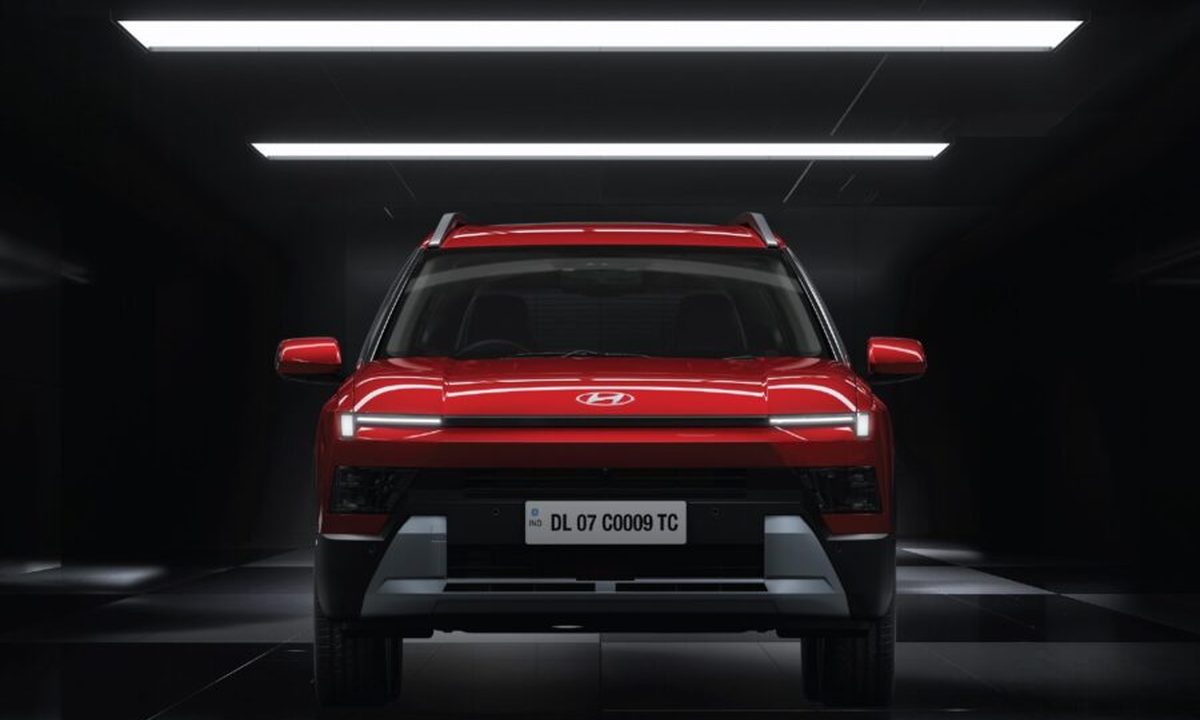
Hyundai has finally pulled the covers off its India-spec Bayon SUV, ending months of speculation and test mule sightings. The official launch is set for October 26, and bookings have already kicked off at ₹11,000 through Hyundai’s website and dealerships across the country. This compact SUV marks a fresh entry into one of India’s most crowded segments, and Hyundai is banking on tech and design to make it stand out.
Hyundai Bayon SUV India: First look and design
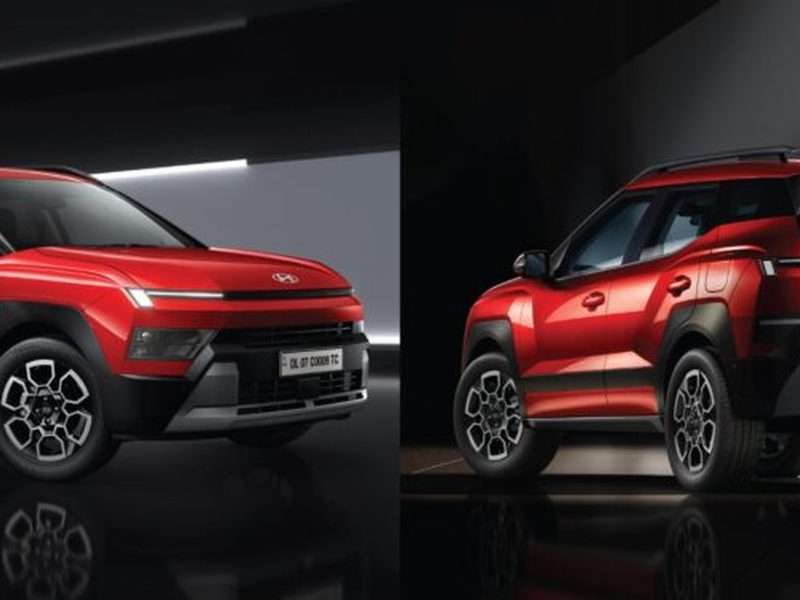
The India-spec Bayon arrives as a fresh take on the compact SUV formula. From what’s visible in the official reveal, the design leans into Hyundai’s latest global playbook—a bold front grille, sharp LED lighting, and a muscular stance. The proportions suggest it’ll slot below the Creta in terms of overall size, making it a direct rival to the Tata Nexon and Maruti Suzuki Brezza rather than larger rivals. The side profile hints at a practical, upright design philosophy, which typically translates to better cabin space for buyers who prioritize roominess over sportiness.
Hyundai’s design language has matured significantly in recent years, and the Bayon appears to follow that trajectory. Whether it’ll have the visual punch to convince buyers stepping out of a Nexon remains to be seen—compact SUVs live or die on road presence, and first impressions will matter immensely at dealerships.
Technology and features: AI voice assistant takes center stage
Here’s where Hyundai is making a real push. The Bayon will come equipped with dual 12.3-inch displays—one for the driver information cluster and another for the infotainment system. That’s a significant hardware play in a segment where most rivals still offer 8-inch or 10-inch single touchscreens. The real headline, though, is Hyundai’s generative AI voice assistant, marking its first appearance in an India-spec Hyundai model. This isn’t just voice control; it’s a conversational AI system that can understand natural language commands and context.
For buyers who’ve grown accustomed to smartphone-like interfaces, this will feel contemporary. For others, it’s a feature that sounds impressive on paper but may take time to integrate into daily driving habits. The dual-display setup does raise questions about the overall quality of the infotainment experience—processing power, responsiveness, and integration with Android and iOS will be crucial.
Powertrain and performance details
The official reveal hasn’t spelled out the engine options yet, but based on Hyundai’s global lineup and India’s regulatory environment, expect a 1.2-liter petrol as the base offering, likely paired with manual and automatic transmissions. A 1.0-liter turbocharged petrol could also feature, targeting buyers who want a bit more performance without the diesel complexity. Diesel options remain uncertain, given the shifting preference toward petrol in the compact SUV space over the past two years.
Real-world efficiency and refinement will be the litmus test. The Nexon and Brezza have set high bars here, and Hyundai will need to match or exceed their mileage figures and NVH levels to win over pragmatic buyers.
Pricing and booking details for Hyundai Bayon SUV India
The ₹11,000 booking amount is standard for Hyundai’s recent launches and signals that the company is serious about capturing volume. The actual ex-showroom price will be revealed on October 26, but industry speculation points to a starting price somewhere between ₹7.5 lakh and ₹8.5 lakh, depending on the variant and powertrain. If Hyundai prices it aggressively, it could undercut the Nexon’s entry point and become an instant consideration for first-time SUV buyers.
Bookings are live now, which means production planning is likely already underway. Waiting periods will be a factor—Hyundai has historically managed supply reasonably well, but the compact SUV boom means demand could outpace availability in the first few months.
How it stacks against rivals
The Hyundai Bayon SUV India enters a battlefield where the Tata Nexon and Maruti Brezza are entrenched players with established customer bases and strong resale values. The Nexon brings a more spacious cabin and a robust diesel option; the Brezza offers unmatched affordability and Maruti’s service network. Hyundai’s advantage lies in technology, warranty reputation, and the brand’s growing equity among urban, tech-savvy buyers.
The Mahindra XUV300 and Kia Sonet (if positioned lower) are also in the conversation. None of these rivals yet offer a dual-display setup with generative AI, so Hyundai has a feature-led narrative to lean on during the launch phase. Whether that translates into actual sales depends on real-world usability, pricing discipline, and how well the driving dynamics hold up against the Nexon’s proven formula.
What to expect on October 26
The official launch will likely include a detailed specification sheet, variant breakdown, and final pricing across petrol/diesel (if offered) and transmission options. Hyundai will probably announce initial waiting periods and delivery timelines. The AI voice assistant will get a live demo, which is when we’ll see whether it’s genuinely useful or just a marketing checkbox.
Expect aggressive launch offers—discounts, free accessories, extended warranty, or financing deals are standard play in this segment. Early bookings often come with additional incentives, so if you’re genuinely interested, moving quickly could yield better terms.
The bottom line
The Hyundai Bayon SUV India is a competent new entry into a segment that’s already crowded but far from saturated. Hyundai’s strategy is clear: lead with technology and design, then compete on value. The dual displays and AI voice assistant are genuine differentiators, though they’ll appeal more to metro-based, digitally native buyers than to conservative buyers in Tier-2 towns who prioritize reliability and resale value above all else.
The real test comes after launch—whether the Bayon can convert the initial curiosity and bookings into sustained monthly sales. Hyundai has the brand credibility and dealer network to make this work, but the Nexon’s stronghold in this space won’t crumble easily. If pricing is sharp and the product delivers on both tech and driving dynamics, the Bayon could carve out a meaningful slice of the compact SUV pie. If not, it’ll be another capable also-ran in a segment where differentiation is harder than ever.
Frequently asked questions
When is the Hyundai Bayon SUV India launching?
The official launch is scheduled for October 26, 2024. Bookings are already open at ₹11,000 through Hyundai’s website and authorized dealerships.
What are the key features of the Hyundai Bayon SUV India?
The Bayon comes with dual 12.3-inch displays, a generative AI voice assistant (Hyundai’s first in India), and modern LED lighting. Engine options and full specifications will be revealed at launch.
How will the Hyundai Bayon SUV India be priced compared to rivals?
Exact pricing is expected on October 26, but the Bayon is anticipated to compete directly with the Tata Nexon and Maruti Brezza in the compact SUV segment, likely starting between ₹7.5–₹8.5 lakh ex-showroom.