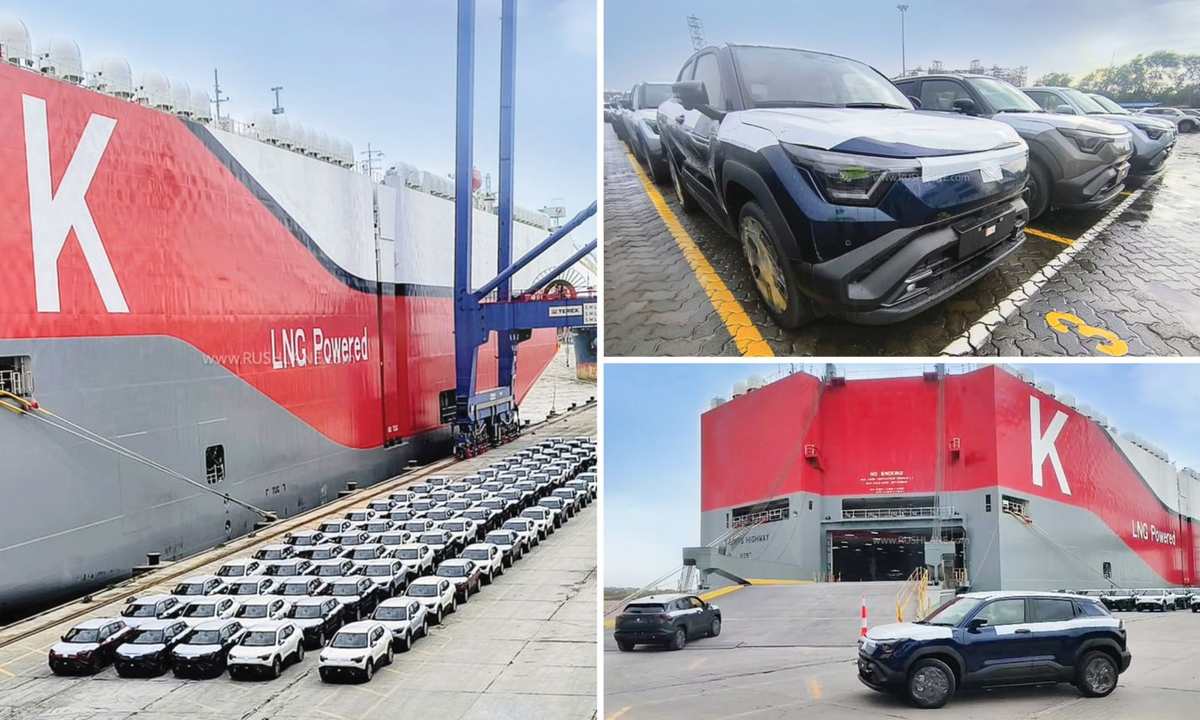
Indian car exports Q2 2026 clocked 2,22,368 units, marking an 8.86% year-on-year increase from 2,04,265 units shipped in the same quarter last year. The growth, while steady, shows that India’s automotive export engine continues to hum—albeit not at breakneck pace. For manufacturers betting on global markets to offset domestic slowdowns, this number matters.
What’s driving Indian car exports Q2 2026
The Maruti Suzuki Fronx remains the export darling, consistently leading shipment volumes across quarters. The compact SUV’s appeal in Southeast Asian and South Asian markets shows no signs of waning. Close behind, the Suzuki Jimny—a global icon that India now manufactures for world markets—continues to rack up impressive numbers. Tata’s eVitara, the electric compact SUV, has emerged as a surprise performer, reflecting growing global appetite for affordable EVs from Indian makers.
Mid-segment stalwarts like the Hyundai i10, Nissan Magnite, Maruti Verna, and Volkswagen Virtus round out the top performers. The Kia Seltos and various XUV variants from Mahindra also contribute meaningfully. What’s telling is the diversity—no single model dominates so heavily that the export portfolio looks fragile.
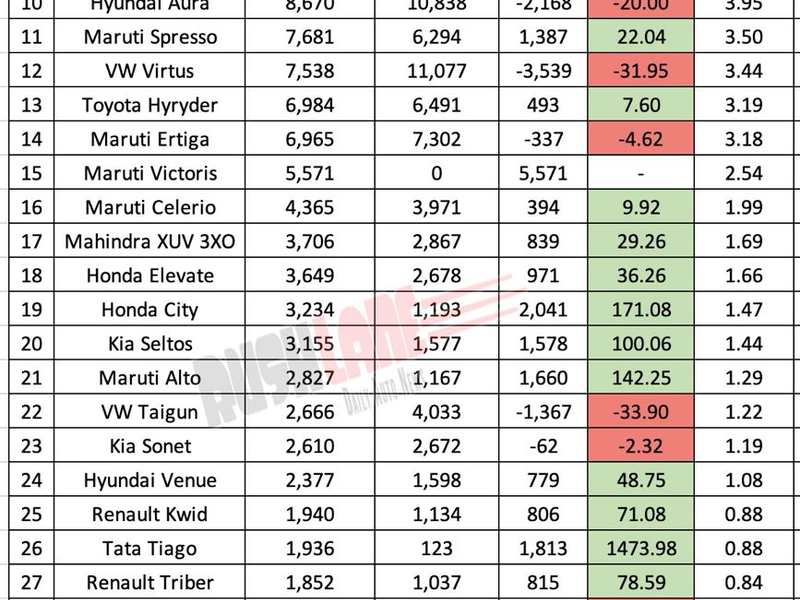
The EV factor in Indian car exports Q2 2026
Tata’s eVitara appearance in the top export list signals a shift. Indian carmakers are no longer just shipping petrol and diesel vehicles abroad; they’re now competitive in global EV markets. This is significant because it suggests that Indian manufacturers can produce electric vehicles cost-effectively and meet international quality standards—a credential that opens doors in price-conscious emerging markets.
However, the EV share remains a fraction of overall exports. Petrol and diesel vehicles still dominate the outbound pipeline, reflecting both India’s manufacturing strength in conventional powertrains and the reality that many export destinations (Africa, parts of Asia, Latin America) still prefer traditional engines.
Why 8.86% growth matters—and doesn’t
On the surface, single-digit year-on-year growth sounds tepid. Compare it to the double-digit expansion India saw in earlier years, and there’s a sense of deceleration. Global headwinds—sluggish demand in Europe, tariff uncertainties in the US, currency volatility—are real constraints.
But context is everything. Many Indian manufacturers are simultaneously navigating domestic market pressures and managing supply chain complexities. That exports held steady and grew, even modestly, suggests exporters are protecting their overseas market share rather than abandoning it. For a market like India’s, where domestic volumes can swing wildly with monsoons and festival seasons, consistent export growth acts as a stabiliser.
Segment breakdown and competitive positioning
Compact SUVs and hatchbacks dominate the export mix—segments where Indian manufacturers have genuine competitive advantages. Labour costs, supplier ecosystems, and design-for-emerging-markets expertise give Indian makers an edge in these categories. Sedans like the Verna continue to find takers, but the SUV trend is unmissable globally.
The Fronx’s sustained leadership reflects Maruti’s ability to iterate quickly and offer value. The Jimny, imported as a global nameplate, brings brand prestige and niche appeal. Tata’s eVitara represents the next frontier—using India’s cost structure to democratise electric SUVs in export markets.
What’s notably absent from top export lists: premium sedans, luxury SUVs, or mass-market EVs from other Indian makers. This reflects the reality that India’s export strength lies in value and volume, not in chasing high-margin segments dominated by established global players.
Regional demand and market dynamics
While the source data doesn’t break down exports by destination, the model mix hints at geography. The Fronx and Jimny’s popularity suggests strong Southeast Asian demand. Compact hatchbacks like the i10 indicate continued appetite in price-sensitive African and Asian markets. The Magnite’s presence underscores the global SUV craze, even in sub-₹10 lakh segments.
Indian carmakers’ ability to export across such diverse geographies—from developed markets to frontier economies—is a genuine strength. It means they’re not betting on a single market or trend.
What the numbers mean for buyers and the industry
For Indian buyers, export momentum translates to better localisation, more competitive pricing, and faster model refreshes. Manufacturers that export have access to global supply chains and can negotiate better component costs. They also invest more in R&D and quality because international markets demand it.
For the industry, the 8.86% growth in Indian car exports Q2 2026 is a reminder that India’s automotive sector is no longer just about domestic consumption. Exports now represent a meaningful revenue stream and a hedge against domestic volatility. The fact that EVs are beginning to feature in export lists is particularly bullish—it suggests India can compete globally not just on cost, but on technology.
The real test will be whether this growth accelerates in coming quarters. If global demand firms up and Indian makers successfully scale EV exports, the numbers could look very different by Q4 2026. For now, though, steady growth beats stagnation.
Frequently asked questions
Which car led Indian car exports Q2 2026?
The Maruti Suzuki Fronx topped export volumes, followed by the Suzuki Jimny and Tata eVitara. These three models consistently outship competitors, with the Fronx maintaining its position as India’s export flagship.
Why did Indian car exports Q2 2026 grow only 8.86% year-on-year?
Global demand headwinds, including sluggish European markets and tariff uncertainties, constrained growth. However, this single-digit expansion still reflects stable export performance amid challenging international conditions.
Are electric vehicles becoming a significant part of Indian car exports Q2 2026?
The Tata eVitara’s appearance in top export lists signals growing EV export momentum, but electric vehicles remain a small fraction of overall shipments. Petrol and diesel vehicles still dominate, reflecting demand patterns in key export markets.