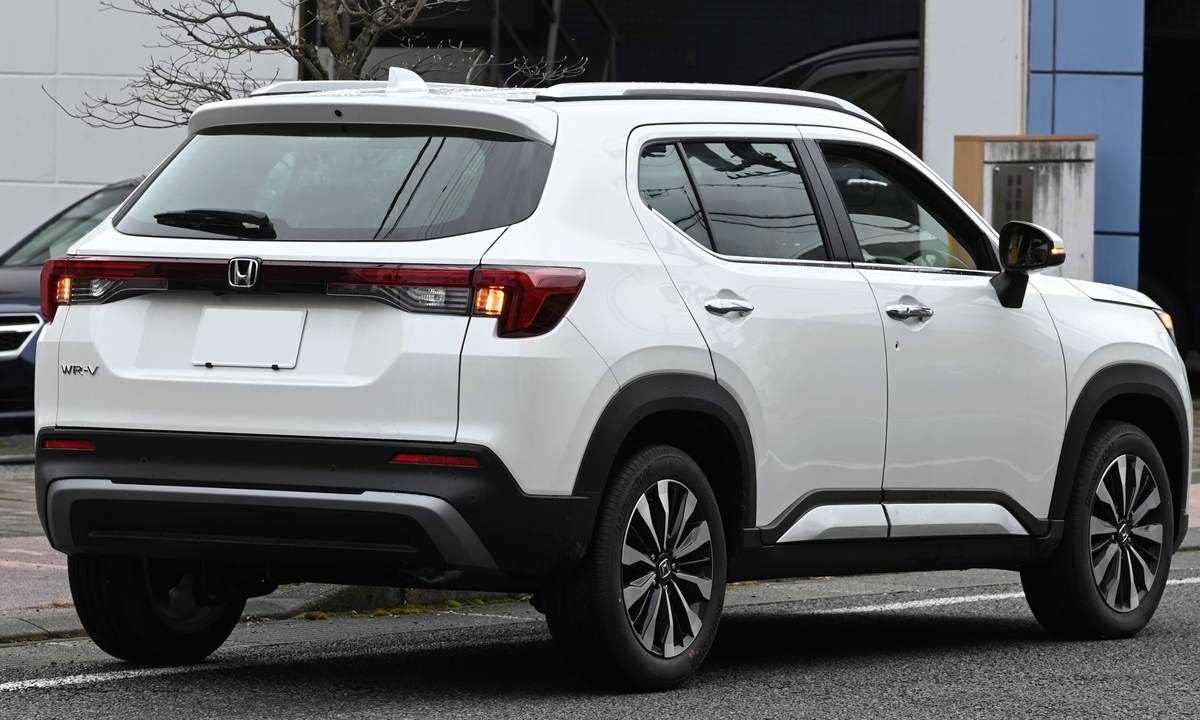
Honda Cars India is finally stepping into the electric vehicle arena. The Japanese automaker has confirmed that its first mass-market Honda electric SUV India will arrive in 2025, marking a significant shift in the company’s product strategy as rivals already dominate the EV space with multiple offerings.
Late to the party, but moving fast
For years, Honda has sat on the sidelines while competitors like Tata, Hyundai, and Mahindra captured the growing electric SUV market. The company’s hesitation stemmed partly from its hybrid strategy focus, but the shift in buyer preference toward pure battery electric vehicles has forced a rethink. The upcoming Honda electric SUV represents a complete reversal of that approach.
What makes this announcement particularly relevant is Honda’s decision to produce the vehicle in India before exporting it to international markets. This suggests confidence in both the domestic market demand and local manufacturing capabilities. It’s a vote of faith in India as a manufacturing hub for EVs, not just an assembly point.
What the Honda electric SUV India will offer
While Honda hasn’t released official specifications, the company is expected to position this SUV in the mid-size segment—likely competing directly with the Hyundai Creta EV and Tata Nexon EV. This is a crowded space, but one where volumes are growing fastest.
The vehicle will need to deliver on three fronts to succeed: competitive range (expect somewhere between 400–500 km on a single charge), practical interior space for Indian families, and a price point that doesn’t alienate Honda’s existing customer base. The brand has historically positioned itself as a premium alternative to mass-market players, so expect ex-showroom pricing to sit above the Nexon EV but possibly in line with or below the Creta EV.
Battery capacity and charging speeds remain unconfirmed, but Honda’s track record with hybrid powertrains suggests the company will prioritize efficiency and real-world range over raw numbers on a spec sheet.
The manufacturing story
Honda operates two manufacturing plants in India—one in Greater Noida and another in Tapukara, Rajasthan. The company has already invested in setting up EV production capabilities, so the infrastructure is partially in place. By manufacturing the Honda electric SUV domestically rather than importing it, the company can offer more competitive on-road pricing and faster delivery timelines—two critical factors in India’s price-sensitive EV market.
This domestic-first approach also aligns with India’s push toward local EV manufacturing and government incentives under the Production-Linked Incentive scheme. It’s a smart move that reduces costs and improves margins.
How it stacks against rivals
The mid-size electric SUV segment in India is already hotly contested. The Tata Nexon EV+ offers 489 km range and starts around ₹17.49 lakh ex-showroom. The Hyundai Creta EV, launched more recently, provides a more premium cabin and is priced from ₹20.2 lakh. The MG ZS EV remains a strong contender in the ₹21–23 lakh bracket.
Honda’s entry will need to carve out a distinct position. The brand’s reputation for reliability and after-sales service could be a differentiator, especially in Tier-2 and Tier-3 towns where buyers are still building confidence in EV ownership. However, Honda will struggle if it can’t match the range claims of competitors or offer a compelling feature set at a similar price point.
What this means for buyers
The arrival of Honda’s electric SUV is good news for Indian consumers. More competition in the mid-size EV segment will push manufacturers to improve range, lower prices, and enhance features. Buyers who’ve been loyal to Honda’s petrol and diesel lineup now have a credible electric option without switching brands.
However, the 2025 timeline means waiting. For those shopping now, the Nexon EV and Creta EV remain the more established choices with proven track records and widespread charging infrastructure support.
The bigger picture
Honda’s delayed entry into India’s EV market reflects a global struggle the company has faced—adapting to electrification faster than its traditional hybrid-first strategy allowed. Toyota, its Japanese peer, has faced similar criticism. Yet the Indian market’s rapid EV adoption means Honda can’t afford to wait much longer. A 2025 launch is credible but tight, especially if the company wants to establish a dealer network and build awareness before rivals launch next-generation models.
The success of this Honda electric SUV India launch will hinge on three things: realistic range claims, aggressive pricing, and Honda’s ability to build a robust charging ecosystem partnership. Get any one of these wrong, and it becomes just another late entrant to a market that’s already moved on.
| Aspect | Honda Electric SUV (Expected) | Tata Nexon EV+ | Hyundai Creta EV |
|---|---|---|---|
| Expected Launch | 2025 | Already available | Already available |
| Segment | Mid-size SUV | Mid-size SUV | Mid-size SUV |
| Expected Range | 400–500 km (est.) | 489 km | 473 km |
| Starting Price (ex-showroom) | TBA | ₹17.49 lakh | ₹20.2 lakh |
| Manufacturing | India (domestic + export) | India | India |
Frequently asked questions
When will the Honda electric SUV India launch?
Honda has confirmed the vehicle will arrive in 2025, though an exact month hasn’t been announced. Production will begin in India before the model is exported internationally.
How much will the Honda electric SUV cost?
Official pricing hasn’t been disclosed. However, expect it to sit in the ₹17–23 lakh ex-showroom range, positioning it between the Nexon EV+ and Creta EV based on segment positioning.
What range can we expect from Honda’s electric SUV?
While unconfirmed, industry expectations suggest 400–500 km per charge based on the mid-size SUV segment and Honda’s efficiency-focused engineering approach.