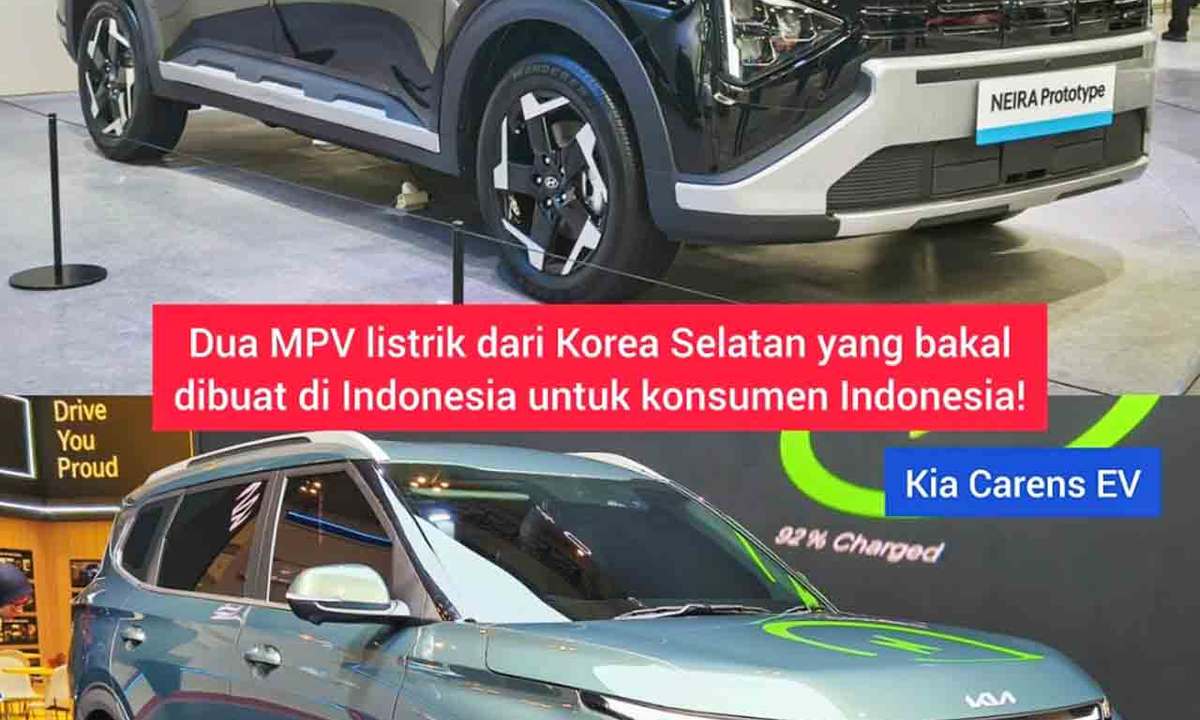
Hyundai has dropped the wraps off the Neira EV at Indonesia’s 2026 GIIAS motor show—and it’s essentially the same car as the Kia Clavis EV, which itself is a rebadged version of the Kia Carens Clavis. Welcome to the badge-engineering playbook in the EV era.
What is the Hyundai Neira EV?
The Neira EV is Hyundai’s electric family hauler targeting the Indonesian market. It shares its platform, powertrain, and core architecture with the Kia Clavis EV—the two vehicles are mechanically identical, separated only by front grille design, badging, and interior trim choices. This isn’t unusual for Hyundai-Kia Group products; the strategy lets both brands address the same segment without cannibalizing each other’s sales.
What’s noteworthy is the timing. As traditional MPVs fade globally, both brands are betting that families in emerging markets will embrace electric versions. The Neira EV signals Hyundai’s intent to compete seriously in Indonesia’s growing EV segment, where affordability and practicality matter as much as range.
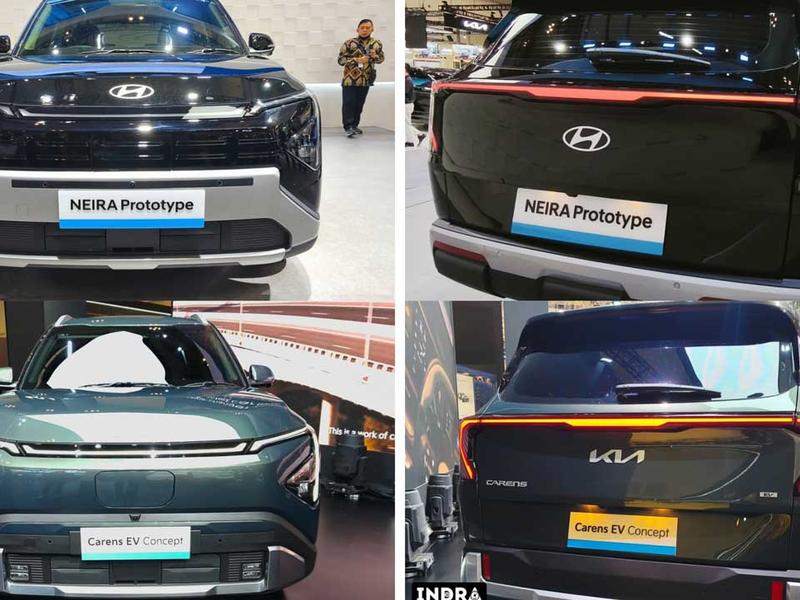
Hyundai Neira EV vs Kia Clavis EV: The key differences
On paper, almost nothing separates these two. They’re the same vehicle underneath—same battery options, same motor architecture, same wheelbase and cargo space. The real divergence is cosmetic.
| Aspect | Hyundai Neira EV | Kia Clavis EV |
|---|---|---|
| Platform | Kia Carens Clavis base | Kia Carens Clavis base |
| Front Design | Hyundai-specific grille | Kia-specific grille |
| Interior Trim | Hyundai brand styling | Kia brand styling |
| Target Market | Indonesia (and potentially other Asian markets) | Indonesia, Southeast Asia |
| Powertrain | Identical to Clavis EV | Identical to Neira EV |
The Neira EV’s design language leans on Hyundai’s current electric vehicle vocabulary—cleaner lines, a more minimalist front end, and a slightly different light signature. The Kia Clavis EV, by contrast, adopts Kia’s bolder, more angular approach. Neither is objectively better; it’s brand preference.
Why badge engineering matters for EV buyers
Badge engineering gets a bad rap, but in the EV space it’s actually pragmatic. Development costs for electric platforms are astronomical. By sharing the Carens Clavis foundation, both Hyundai and Kia spread those costs across two brands, which theoretically keeps prices competitive. Buyers in Indonesia benefit because both companies can offer an affordable family EV without either brand losing money.
That said, there’s a catch. If you’re shopping between the Neira EV and Clavis EV in the same market, you’re essentially picking based on brand loyalty, dealer network, and after-sales service—not engineering substance. The cars are mechanically identical, so resale value, warranty coverage, and spare parts availability become the deciding factors.
What this means for the global EV-MPV segment
The Neira EV’s arrival underscores a larger trend: traditional MPVs are being electrified as a last-ditch effort to keep the segment alive. In India, we’ve seen this play out with the Kia Carens and Maruti Suzuki Ertiga—both are petrol/diesel affairs, but it’s only a matter of time before electric variants arrive. Indonesia’s move toward EV MPVs suggests the market is ready for family vehicles that don’t rely on fossil fuels.
However, the MPV segment itself is shrinking globally. Families are increasingly choosing compact SUVs over three-row MPVs, and that trend holds true for electric vehicles as well. The Neira EV and Clavis EV are betting that practicality and affordability will keep the MPV alive—at least in price-sensitive markets like Indonesia.
The bottom line
The Hyundai Neira EV is a competent, practical family electric vehicle that arrives at the right time for Indonesia’s EV adoption curve. But let’s be clear: it’s not a distinct product. It’s the Kia Clavis EV wearing a different suit. That’s not a deal-breaker—the engineering is solid, and families will appreciate the space and range. What matters is whether Hyundai’s dealer network and after-sales promise better value than Kia’s. Beyond that, you’re splitting hairs.
For Indian buyers watching this unfold, the question is whether Hyundai and Kia will bring electric MPVs to our market. The Carens has been a sales success here, and an EV variant could shake up the family car segment. We’ll reserve judgment until an official announcement, but the Neira EV’s launch suggests the product is ready—it’s just a matter of timing and pricing strategy.
Frequently asked questions
Is the Hyundai Neira EV the same as the Kia Clavis EV?
Yes, mechanically they are identical. Both share the same platform, battery, and powertrain. The differences are purely cosmetic—grille design, badging, and interior trim styling.
Will the Hyundai Neira EV launch in India?
Not yet confirmed. The Neira EV is currently exclusive to Indonesia’s 2026 GIIAS reveal. Any India launch would depend on Hyundai’s strategy for the Indian EV MPV segment, but no official announcement has been made.
What’s the advantage of badge engineering in electric vehicles?
Badge engineering spreads the high development costs of EV platforms across multiple brands, allowing both companies to offer affordable electric vehicles. For buyers, it means competitive pricing—but the trade-off is that you’re choosing based on brand loyalty rather than unique engineering.