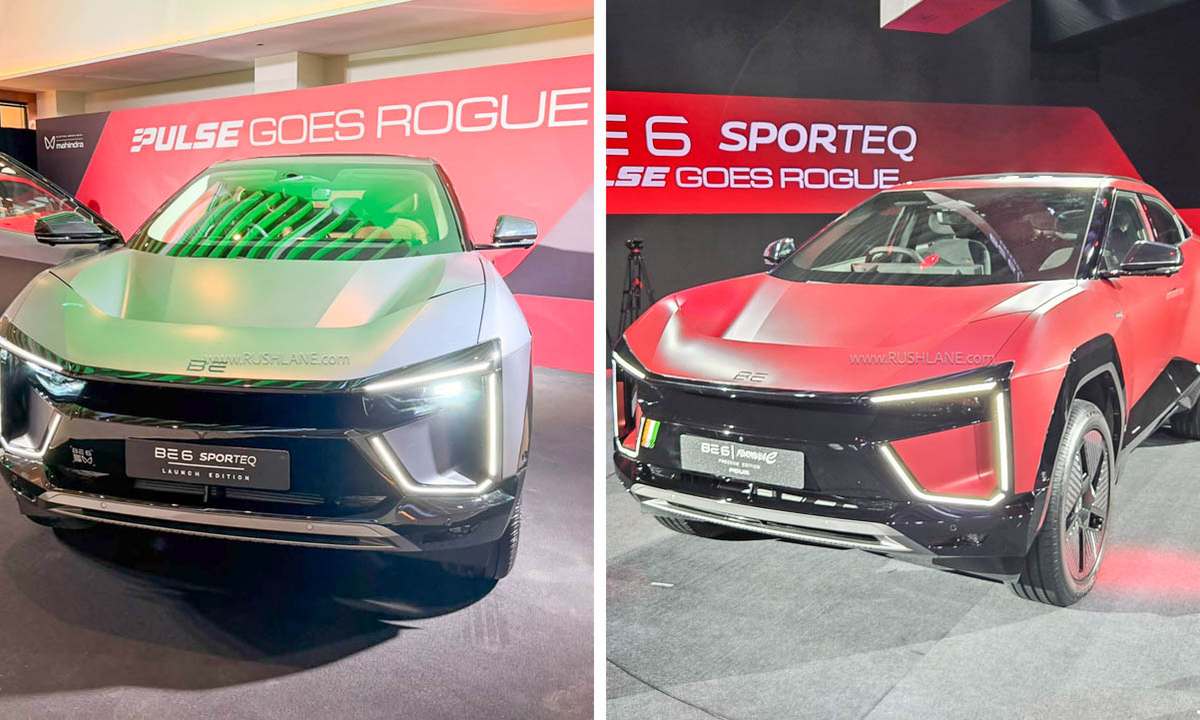
Mahindra has rolled out a significantly updated version of the BE 6 Sporteq, bringing a refreshed cabin and fresh tech to its electric SUV lineup roughly 18 months after the original debut. The Mahindra BE 6 Sporteq launch kicks off at ₹11.45 lakh ex-showroom under the Battery as a Service (BaaS) model, with the standard purchase variant priced at ₹19.45 lakh. This move signals Mahindra’s commitment to making EVs more accessible while doubling down on connected-car features.
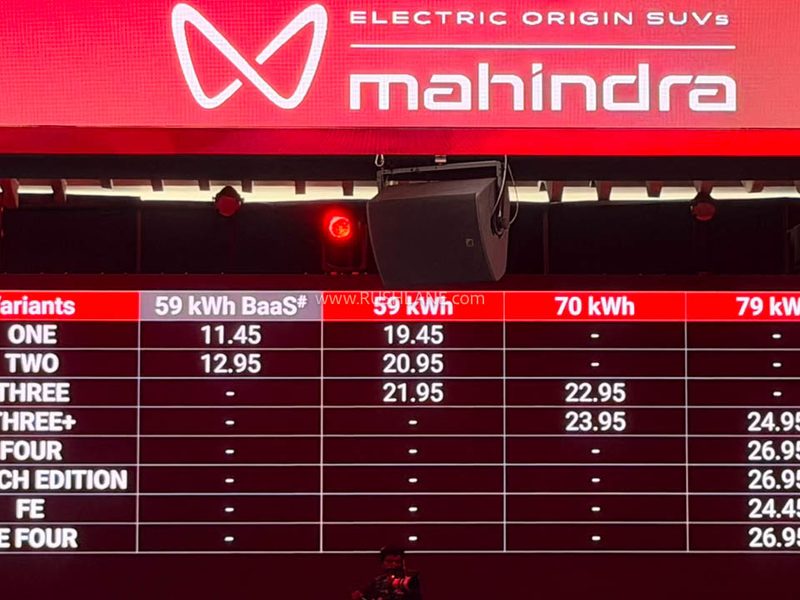
Mahindra BE 6 Sporteq launch: Pricing and variants
The entry-level BaaS option at ₹11.45 lakh makes the BE 6 Sporteq one of the more affordable routes into Mahindra’s electric SUV space, assuming you’re comfortable with battery rental rather than ownership. Step up to the outright purchase model and you’re looking at ₹19.45 lakh ex-showroom—a ₹8 lakh jump that covers the battery pack. On-road pricing will push both figures higher depending on your city and registration costs.
For context, that BaaS entry point undercuts several rivals in the compact electric SUV segment, though you’ll be paying monthly fees for battery access. The conventional ownership option sits in the same ballpark as competitors like the Tata Nexon EV and MG ZS EV, making variant and feature set the real differentiator.
Interior overhaul and tech upgrades
The refresh focuses heavily on cabin experience. Mahindra has fitted a new three-screen cockpit—think a digital driver display, central infotainment unit, and a passenger-side screen for entertainment or vehicle info. It’s a layout borrowed from premium cars, and it signals that even at this price point, Mahindra wants you feeling like you’re in something special.
The real headline here is the integration of Google Gemini, an AI assistant that can handle voice commands for navigation, climate control, music, and general queries. Whether it’ll work smoothly on Indian roads with spotty connectivity is another matter—we’ll reserve judgment until we’ve spent real time with it. The cabin also gets improved ergonomics, suggesting Mahindra listened to feedback about the original BE 6’s layout.
Drive modes and performance tweaks
Mahindra has added new drive modes to the BE 6 Sporteq, though the company hasn’t spelled out specifics yet. Expect the usual suspects—Eco, City, and Sport—tuned for different throttle response, regenerative braking intensity, and efficiency profiles. For daily commuting in metro cities, the Eco mode will likely stretch range; for highway blasts or quick overtakes, Sport mode will unlock more aggressive acceleration.
The powertrain itself hasn’t been overhauled, but Mahindra may have recalibrated the motor maps to suit the new drive modes. Without official range and power figures from the company, we’re still waiting on the full spec sheet—a detail that should land soon.
Battery as a Service: What it means for buyers
BaaS is Mahindra’s answer to EV range anxiety and battery degradation concerns. You pay a lower upfront price and a monthly subscription for battery access; Mahindra handles maintenance and replacement if capacity drops below a threshold. It’s a model Ola and some others have dabbled with, and it appeals to buyers who want to avoid a ₹3–4 lakh battery replacement down the line.
The catch? Monthly fees add up. At ₹11.45 lakh, you’re saving ₹8 lakh upfront, but the subscription cost over five years could easily eat into that saving. For high-mileage drivers or those in Tier-2 towns with limited charging infrastructure, ownership might make more sense. For city dwellers doing modest daily distances, BaaS could be the smarter play.
How it stacks against rivals
The Tata Nexon EV starts around ₹15 lakh for the base variant, making the BaaS BE 6 cheaper on paper—but you’re renting the battery rather than owning it. The MG ZS EV offers a traditional purchase model from roughly ₹18 lakh and comes with decent tech, though it lacks Gemini integration. The Creta Electric, when it lands, will be another contender in this space.
Mahindra’s three-screen cockpit and AI assistant are genuine differentiators. Few rivals at this price offer that level of cabin tech. Whether it justifies the subscription model is a personal call.
What we make of it
The Mahindra BE 6 Sporteq launch feels like a calculated refresh rather than a revolutionary overhaul. The cabin upgrades and Gemini integration are real improvements, and the BaaS entry point is genuinely clever marketing for buyers spooked by battery costs. But here’s the thing: Mahindra’s betting that AI and a fancy interior will move metal in a segment increasingly crowded with solid alternatives. The jury’s still out on whether the three-screen cockpit and voice assistant will feel gimmicky or genuinely useful after three months of ownership.
If you’re in the market for an affordable electric SUV and you’re willing to embrace the subscription model, the BE 6 Sporteq deserves a test drive. Just run the BaaS math against outright purchase before signing on the dotted line—the monthly fees could surprise you.
| Variant | Price (ex-showroom) | Ownership Model |
|---|---|---|
| BE 6 Sporteq (BaaS) | ₹11.45 lakh | Battery subscription |
| BE 6 Sporteq (Standard) | ₹19.45 lakh | Full ownership |
Frequently asked questions
What does Battery as a Service (BaaS) mean for the Mahindra BE 6 Sporteq?
BaaS lets you buy the car at ₹11.45 lakh without owning the battery. You pay a monthly subscription, and Mahindra handles battery maintenance and replacement if capacity degrades. It’s designed to ease upfront cost and battery anxiety, but monthly fees accumulate over time.
How much cheaper is the BaaS variant compared to the standard purchase model?
The BaaS variant costs ₹11.45 lakh ex-showroom versus ₹19.45 lakh for the standard ownership model—an ₹8 lakh difference. However, subscription fees over five years will reduce that saving, so calculate your expected usage before choosing.
What are the main interior upgrades in the refreshed BE 6 Sporteq?
The updated BE 6 Sporteq features a new three-screen cockpit (driver display, central infotainment, and passenger screen), Google Gemini AI assistant for voice commands, and improved ergonomics. The cabin aims to feel more premium and tech-forward than the original model.