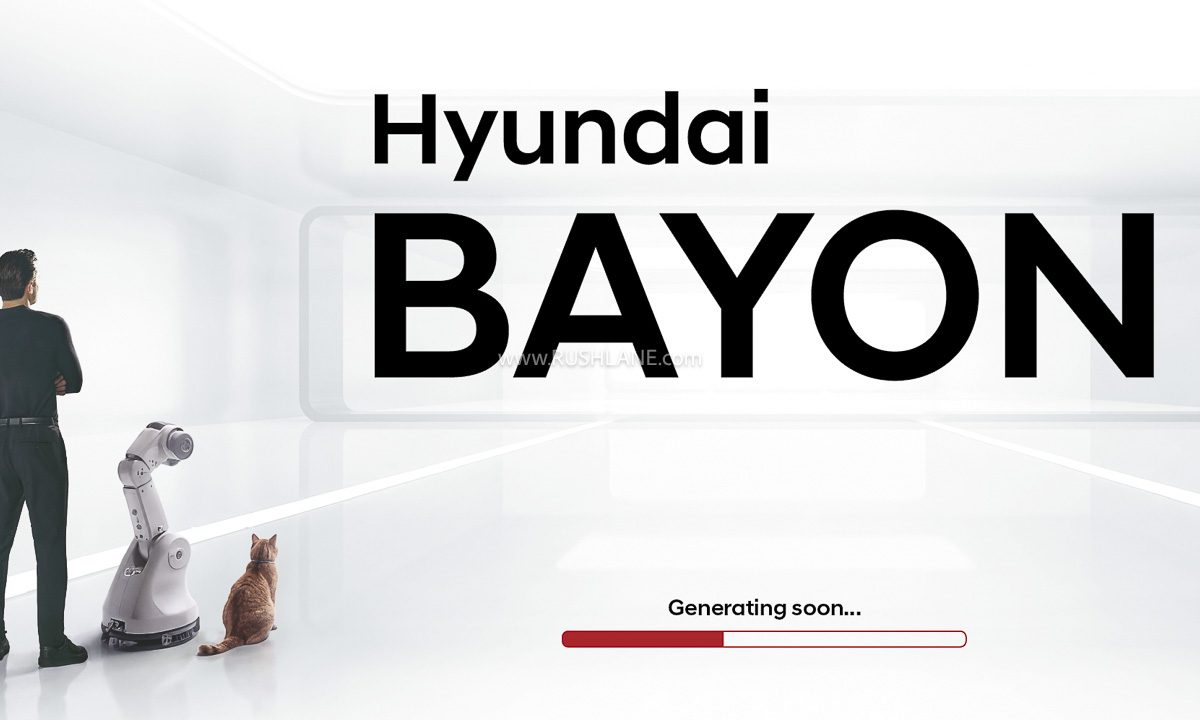
Hyundai Motor India has officially confirmed that its next compact SUV will be called the Bayon—and that’s about all we know for certain right now. The Korean automaker, which has been gradually building its presence in India’s booming SUV segment, announced the name this week but held back on the juicier details: pricing, exact specifications, launch timeline, and engine options remain under wraps.
So what’s the Bayon? It’s a global model that Hyundai has tailored specifically for the Indian market. That phrase—”developed with the requirements of Indian buyers in mind”—suggests the company isn’t just dropping a rebadged international car here. There’s been some thought about what Indians actually want in this segment.
Where does Hyundai Bayon India fit in the lineup?
Hyundai’s current SUV portfolio in India spans the Venue (entry-level compact), the Creta (mid-size, the market leader), and the Tucson (premium). The Bayon slots somewhere in that ecosystem, though the exact positioning isn’t yet clear. Given the name and the global platform, it’s likely a compact SUV that will sit close to or directly compete with the Venue.
If that’s the case, Hyundai Bayon India would be taking on some serious competition. The Venue itself has been a steady seller, and it faces heat from the Maruti Brezza, the Tata Nexon, and the Mahindra XUV300. All three have strong brand followings and proven reliability records. For Hyundai to carve out space here, the Bayon will need either a significantly lower price, better features, or a meaningful design/performance advantage.
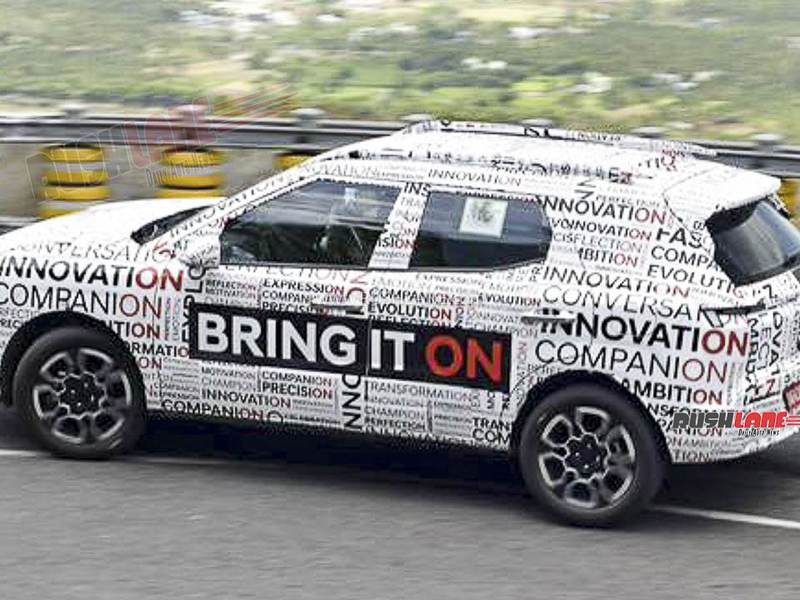
What we expect from the Bayon
Hyundai has a track record of offering feature-rich vehicles at competitive prices in India. The Creta redefined what buyers expected from a mid-size SUV in 2015, and the company has maintained that philosophy. If the Bayon follows suit, expect a well-appointed cabin with a touchscreen infotainment system (likely 8 inches or larger), smartphone integration, climate control, and maybe even some segment-first features.
On the powertrain front, Hyundai typically offers petrol and diesel options in this space. A 1.2-litre petrol engine seems likely, possibly paired with manual and automatic transmissions. A diesel option might follow, though the company’s diesel strategy has been shifting as buyer preferences lean toward petrol.
The Bayon’s design language will matter too. Hyundai’s recent launches—the Venue, Creta, and Tucson—have all carried bold, modern styling that appeals to younger buyers. If the Bayon maintains that design DNA while offering a slightly different silhouette or stance, it could stand out in showrooms.
Rivals and market context
The compact SUV segment has become India’s fastest-growing vehicle category. Buyers are increasingly trading up from hatchbacks to compact SUVs because they want the commanding driving position, perceived safety, and practicality without the price tag of a full-size SUV. That’s why the Venue, Nexon, Brezza, and XUV300 have all found strong demand.
For Hyundai Bayon India to succeed, it needs to either undercut these rivals on price or offer something they don’t. A ₹8–10 lakh ex-showroom starting price would be competitive; anything higher and buyers will stick with the Venue or Nexon, which have longer waiting periods and stronger resale value. Features like a larger screen, wireless charging, or a more spacious rear bench could sway undecided buyers, but specs alone won’t win the segment.
When will it launch?
Hyundai has said “more details coming soon,” which in automotive speak usually means weeks, not months. The company typically announces a launch date a few weeks before the actual event, then begins deliveries within a month or two. If the Bayon is revealed in the next 4–6 weeks, expect customer deliveries by mid-year or later, depending on demand and production readiness.
One thing to watch: waiting periods. Hyundai has struggled with supply constraints on some models, and if the Bayon is positioned as a volume-driver (which it likely is), the company will want to ramp production quickly. A waiting period of 2–4 months at launch wouldn’t be unusual, but anything beyond that could hand sales to competitors.
The bottom line
The Hyundai Bayon India announcement is more of a teaser than a launch. We know the name, we know it’s designed for Indian buyers, and we know it’s coming—but that’s it. Until Hyundai reveals the price, engine options, and feature list, it’s impossible to say whether the Bayon will be a game-changer or just another competent also-ran in a crowded segment.
That said, Hyundai’s track record suggests it won’t be a half-hearted effort. The company has consistently delivered vehicles that offer good value and reliability. If the Bayon is priced aggressively and loaded with features, it could shake up the compact SUV segment. But if it’s positioned as a Venue alternative at a similar price, it’ll struggle to justify its existence. We’ll know more in the coming weeks—and that’s when the real story begins.
Frequently asked questions
What is the Hyundai Bayon India and when will it launch?
The Hyundai Bayon India is a compact SUV officially confirmed by Hyundai Motor India, designed specifically for Indian buyers. The company has announced the name but hasn’t revealed a launch date yet; further details are expected in the coming weeks or months.
How will the Hyundai Bayon India be priced compared to the Venue and Nexon?
Pricing hasn’t been announced yet. Based on Hyundai’s positioning and the compact SUV segment, expect a starting price somewhere in the ₹8–10 lakh ex-showroom range, but this is speculation until the official reveal.
What engine options are expected in the Hyundai Bayon India?
Hyundai hasn’t confirmed powertrain details. A 1.2-litre petrol engine with manual and automatic options is likely, and a diesel variant may follow, though the company’s recent focus has been on petrol engines.