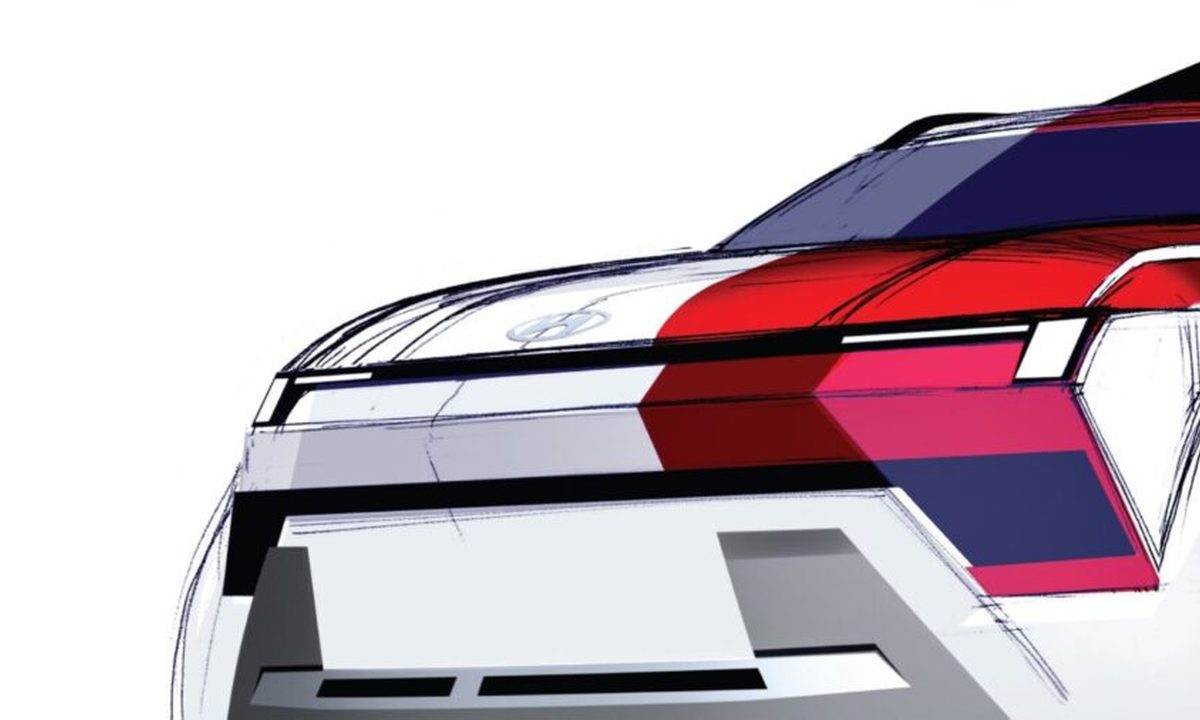
Hyundai has finally pulled back the curtain on the Hyundai Bayon design, releasing official sketches of both the exterior and interior ahead of the compact SUV’s India launch. After confirming the nameplate weeks earlier, these illustrations mark the first proper look at what Hyundai’s newest offering will actually look like on Indian roads.
Hyundai Bayon design language explained
The sketches reveal that Hyundai Bayon design draws heavily from the brand’s “Art of Steel” design philosophy—the same direction that has guided recent models like the Creta and Tucson. What stands out immediately is the H-Edge lighting signature, a design element that’s becoming Hyundai’s calling card across its SUV lineup. The front end appears assertive, with pronounced fenders that give the Bayon a more muscular stance than you’d expect from a vehicle in this segment.
The side profile suggests a boxy, upright stance typical of compact SUVs, but the sketches hint at sharper character lines running along the body. This isn’t a soft, rounded design—it’s angular and deliberate. The roof appears to taper slightly toward the rear, a common trick to make compact vehicles look longer than they actually are.
Interior design and cabin features
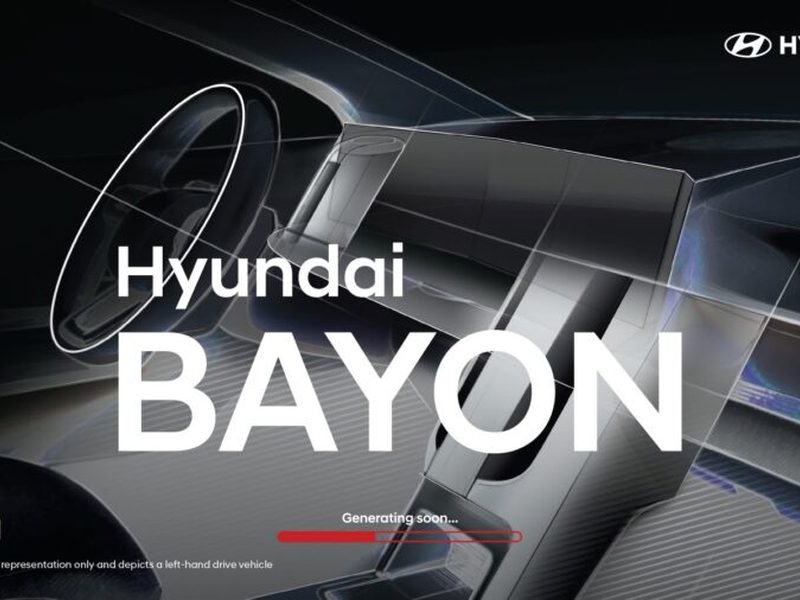
What’s particularly noteworthy is that Hyundai released interior sketches alongside the exterior—a move that signals confidence in the cabin design. The illustrations show a modern, horizontal dashboard layout with what appears to be a substantial touchscreen infotainment system taking pride of place. The steering wheel design looks contemporary, and the overall cabin architecture suggests a premium feel that Hyundai is clearly targeting for this segment.
Storage solutions and ergonomics appear to have been prioritized in the Hyundai Bayon design approach. The sketches indicate decent elbow room and a layout that doesn’t feel cramped, which is crucial for a vehicle that will compete directly with the Maruti Brezza and Tata Nexon in the sub-4-metre compact SUV space.
Where the Bayon fits in Hyundai’s lineup
This launch fills a specific gap in Hyundai’s India portfolio. The company already has the Creta dominating the mid-size SUV segment and the Venue in the ultra-compact space. The Bayon will sit between these two, targeting buyers who want a proper SUV silhouette without the premium pricing of a full-sized Creta. Think of it as Hyundai’s answer to the Brezza’s massive success—a no-nonsense, functional compact SUV with modern design language.
The timing makes sense too. The compact SUV segment has exploded in India over the past three years, with the Brezza, Nexon, and others consistently outselling traditional sedans and hatchbacks. Hyundai can’t afford to miss this party, especially when competitors are raking in sales numbers that rival their bigger models.
Design language consistency across Hyundai’s range
By extending the Art of Steel philosophy to the Bayon, Hyundai is building a cohesive brand identity. Walk into a showroom and you’ll immediately recognize a Hyundai SUV, whether it’s a Venue, Bayon, Creta, or Tucson. The H-Edge lighting signature, the pronounced character lines, and the overall geometric approach create visual continuity. This is smart branding—it builds recognition and suggests that Hyundai takes design seriously across all price points.
The sketches also reveal attention to detail in areas buyers often overlook. The proportions of the wheels relative to the body, the way the glass area is positioned, and the overall balance of the design suggest this wasn’t a rushed project. Hyundai has clearly invested time in getting the Bayon right.
What buyers should expect
Based on these design sketches, expect the Bayon to be positioned as a premium alternative in the compact SUV segment. It won’t be the cheapest option—that’s not what Hyundai does. Instead, it will likely undercut the Creta while offering more features and a more upmarket feel than the Brezza. The design language supports this positioning: it’s sophisticated without being flashy, modern without being trendy.
The interior sketches suggest Hyundai will pack in creature comforts that matter to Indian buyers: a decent infotainment system, good storage, and a cabin that feels spacious. Expect multiple variants with varying levels of equipment, as is Hyundai’s tradition.
Powertrain details remain under wraps, but given Hyundai’s current offerings, the Bayon will likely come with petrol and diesel options, possibly with manual and automatic transmissions. The brand has done well with 1.2-litre petrol and 1.5-litre diesel units in the past, so don’t be surprised if these engines make an appearance.
The bottom line
The Hyundai Bayon design sketches confirm that this is a thoughtfully conceived vehicle, not a hasty cash grab. The Art of Steel language works well at this scale, and the proportions suggest a vehicle that will look good in the metal. For buyers torn between the Brezza’s simplicity and the Creta’s premium pricing, the Bayon could be genuinely compelling—assuming Hyundai prices it right. The real test comes when the Bayon actually hits showrooms and we see how these sketches translate into reality. Until then, these illustrations suggest Hyundai is serious about competing in India’s hottest segment.
Frequently asked questions
What is the Hyundai Bayon design language based on?
The Hyundai Bayon design follows Hyundai’s Art of Steel design philosophy, featuring H-Edge lighting, pronounced fenders, and angular character lines similar to the Creta and Tucson.
Where will the Bayon fit in Hyundai’s India lineup?
The Bayon will slot between the Venue (ultra-compact) and Creta (mid-size), directly competing with the Maruti Brezza and Tata Nexon in the compact SUV segment.
When will the Hyundai Bayon launch in India?
An exact launch date hasn’t been announced yet, but Hyundai has confirmed the nameplate and released design sketches, suggesting the launch is imminent.