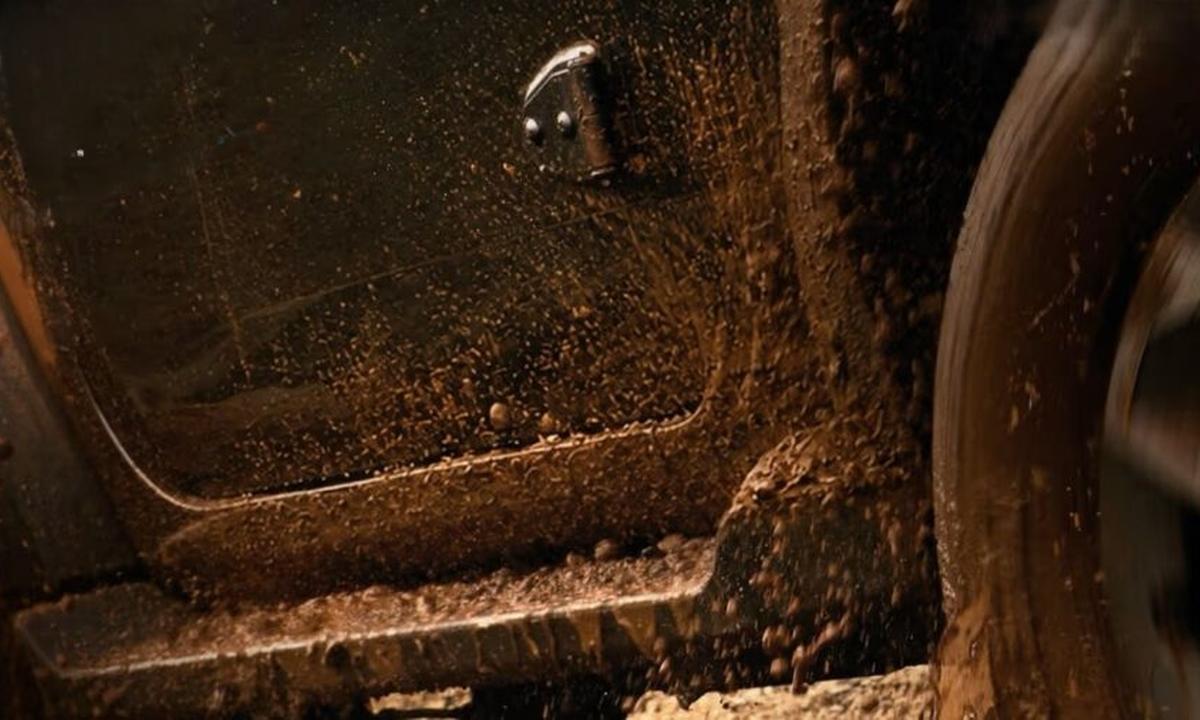
Mahindra has officially teased the Mahindra Thar 3-door facelift, signalling that a refresh of its iconic compact SUV is on the way. The tease comes as the automaker prepares to bring an updated version of the three-door Thar to market, building on years of loyalty from off-road enthusiasts and everyday buyers alike.
Why the Thar matters
The Thar has carved out a unique niche in India’s SUV landscape. It’s not a family hauler in the conventional sense—it’s a vehicle that appeals to a specific breed of buyer: someone who values raw capability, simplicity, and the ability to tackle rough terrain without apology. Over the years, it’s become a cult favourite, spawning countless YouTube channels, adventure clubs, and a resale market that holds value better than most rivals in its segment.
Mahindra knows this. The brand hasn’t treated the Thar as just another product line; it’s treated it as an icon that needs careful stewardship. So when they tease a facelift, it’s worth paying attention.
What the Mahindra Thar 3-door facelift refresh likely brings
While Mahindra hasn’t released full specifications or images yet, a facelift typically means cosmetic updates rather than a complete overhaul. Expect a refreshed front grille, updated bumpers, new headlight and taillight designs, and possibly a revised colour palette. The interior could see a modest technology bump—think a larger touchscreen, updated upholstery, or improved storage solutions.
The three-door configuration itself won’t change; that’s the Thar’s defining characteristic. Unlike the five-door Thar that launched in 2020, the 3-door version remains the purist’s choice, with a shorter wheelbase and tighter turning radius that makes it genuinely nimble in tight off-road situations.
Mechanically, the current 2.0L diesel engine producing 130 bhp and 300 Nm torque, paired with either a 5-speed manual or 6-speed automatic transmission, is likely to carry over. There’s also the 1.2L petrol turbo option, which offers a lighter footprint for urban buyers. Mahindra may tweak power outputs or add mild-hybrid technology, but a complete powertrain overhaul seems unlikely at this stage.
Timing and market strategy
The Mahindra Thar 3-door facelift arrives at an interesting moment. The five-door variant, launched in 2020, has proven wildly successful, with waiting periods that sometimes stretch beyond a year. The three-door, meanwhile, has remained the original’s truest successor—smaller, more affordable, and more focused on off-road duty.
By refreshing the 3-door now, Mahindra signals that it won’t abandon this segment to newer rivals. The compact SUV space is getting crowded. Vehicles like the Tata Nexon, Maruti Brezza, and Hyundai Venue have stolen volume from smaller, utility-focused SUVs. A facelift keeps the Thar relevant and gives existing owners a reason to upgrade, while attracting buyers who prefer the three-door’s proportions and character.
What buyers should watch for
Pricing will be crucial. If the Mahindra Thar 3-door facelift creeps too close to the five-door’s entry price, the value proposition weakens. Currently, the three-door sits at a significant discount, making it the choice for budget-conscious buyers or those who genuinely need a compact vehicle. That gap needs to stay meaningful.
Second, the feature set matters. Modern buyers expect at least a 7-inch touchscreen, smartphone integration, and decent safety equipment. The current Thar is a bit spartan by 2024 standards. A facelift that adds these without ballooning the price would hit the sweet spot.
Third, watch the diesel versus petrol story. Diesel has lost appeal post-BS-VI, with higher purchase costs and tighter emission norms eating into fuel economy gains. If Mahindra leans harder into petrol or adds a mild-hybrid option, that’s a signal they’re reading the market shift.
The bigger picture
The Thar’s enduring appeal says something about the Indian car buyer that often gets overlooked. Not everyone wants a crossover with soft suspension and a touchscreen full of gimmicks. Some buyers—a smaller but passionate tribe—still value mechanical simplicity, go-anywhere capability, and honest design. The Thar speaks to that tribe.
Mahindra’s willingness to refresh rather than kill the three-door variant is refreshing in itself. Many brands would have consolidated around the larger, more profitable five-door. Instead, Mahindra is hedging, keeping both alive. That’s a bet on continued demand from a specific customer, and frankly, it’s a bet we think will pay off.
The bottom line
The Mahindra Thar 3-door facelift won’t reinvent the wheel, and it doesn’t need to. The three-door Thar has a loyal following because it does something few vehicles do: it’s genuinely useful, genuinely capable, and genuinely affordable. A smart facelift—one that adds modern conveniences without losing the plot—could extend its relevance by another five years. The question is whether Mahindra resists the temptation to over-engineer it or bloat the price. If they nail that balance, the updated three-door could surprise a lot of people who’ve written off compact SUVs as a dying breed.
Frequently asked questions
When will the Mahindra Thar 3-door facelift launch?
Mahindra hasn’t announced an official launch date yet, only a tease. Based on typical teaser-to-launch timelines, expect a reveal within the next 2–3 months, with on-road availability by mid-2024 or later.
Will the Mahindra Thar 3-door facelift get a new engine?
Unlikely. The current 2.0L diesel (130 bhp, 300 Nm) and 1.2L petrol turbo engines are expected to carry over, though Mahindra may tweak outputs or add mild-hybrid technology.
How much more expensive will the facelift be?
Pricing hasn’t been confirmed, but facelifts typically add ₹50,000–₹1.5 lakh depending on the extent of changes and new features added. Mahindra will likely keep it competitive to avoid cannibalising sales.