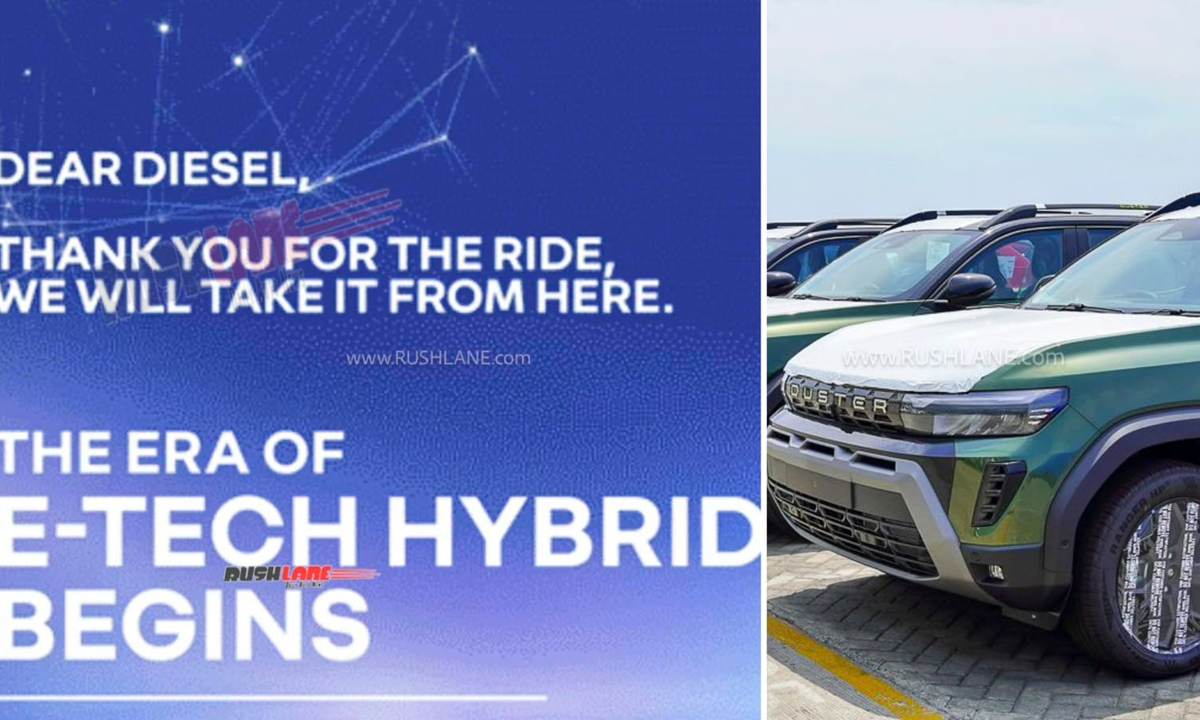
Renault Duster Hybrid launch is finally happening on October 17, and it signals a major shift in how the French carmaker plans to fight falling sales. After four straight months of declining numbers, Renault is bringing a strong-hybrid option to its bestselling SUV—a move that directly challenges diesel’s dominance in this segment.
The teaser campaign makes no bones about it: Renault is going after diesel buyers. In a market where the Duster has traditionally leaned on diesel engines to shift volumes, the hybrid variant represents both an acknowledgment of changing buyer preferences and a calculated gamble that electrification (even partial) can reverse momentum.
What the strong-hybrid powertrain means for buyers
A strong-hybrid system is fundamentally different from the mild-hybrid setups you see in many mainstream cars. This isn’t just a starter motor with a battery bolted on. A true strong-hybrid can run on electric power alone at low speeds, automatically switches between petrol and electric, and recovers energy during braking. Think of it as closer to what you get in premium hybrids—just packaged for an affordable SUV.
For someone doing regular city commutes, this matters. You’ll see genuine fuel efficiency gains, especially in stop-and-go traffic where hybrids shine. The Renault Duster Hybrid launch comes at a time when diesel prices have stayed stubbornly high and emission norms are tightening, making hybrid a sensible middle ground between pure petrol and full electric.
The question everyone’s asking: will the hybrid variant cost significantly more than the existing turbo-petrol Duster? That answer arrives on October 17, but expect a premium of ₹1.5 to ₹2.5 lakh depending on trim. If Renault prices it aggressively, it could pull buyers away from diesel without cannibalizing petrol sales too heavily.
Why Renault is making this move now
Renault’s sales slump isn’t unique—the SUV segment is crowded and competitive. But the Duster, once a segment leader, has been losing ground to newer rivals like the Hyundai Creta, Maruti Grand Vitara, and even Tata’s own offerings. The Duster Hybrid launch is part of a refresh strategy to make the ageing design feel modern and relevant without a complete overhaul.
Diesel’s appeal is fading too. Buyers are increasingly wary of long-term diesel ownership given maintenance costs and resale uncertainty. A hybrid bridges that gap—it offers better mileage than petrol without the baggage diesel carries anymore. Renault’s teaser explicitly positions the hybrid as a diesel alternative, which tells you the company sees that segment as winnable.
How this compares to rivals
The Maruti Grand Vitara already offers a mild-hybrid petrol engine, but a strong-hybrid is a step up in sophistication. The Hyundai Creta doesn’t have a hybrid option yet, though that could change. Toyota’s Fortuner and Innova have strong-hybrid options, but they’re priced much higher and target a different buyer.
In the compact SUV space under ₹15 lakh, the Renault Duster Hybrid launch would be genuinely novel—if priced right. That novelty is exactly what Renault needs to stop the bleeding. A strong-hybrid Duster at ₹12-13 lakh ex-showroom would be hard to ignore for someone considering a diesel Creta or a petrol Grand Vitara.
What to expect on launch day
October 17 will likely bring pricing across multiple trims, real-world mileage claims, and specifications for the hybrid powertrain. Renault will probably emphasize fuel efficiency numbers, CO₂ emissions, and driving range. They’ll also want to highlight how the hybrid doesn’t compromise on performance or space—the Duster’s 597-litre boot and spacious cabin are key selling points.
Waiting periods and booking details will matter too. If Renault can deliver the hybrid Duster quickly (within 4-6 weeks), it’ll capitalize on the launch momentum. Delays will hurt, especially with festival season buying just around the corner.
The bottom line
The Renault Duster Hybrid launch is a necessary move for a brand that’s been treading water. Strong-hybrid technology at an affordable price point could genuinely appeal to buyers tired of diesel’s rising costs but unconvinced by full electric. The real test isn’t the technology—it’s whether Renault prices this aggressively enough to matter. If they do, October 17 could mark the start of a turnaround. If they don’t, it’s just another feature on an aging SUV.
Frequently asked questions
When is the Renault Duster Hybrid launch?
The Renault Duster Hybrid launch is confirmed for October 17. Renault will reveal pricing, specifications, and availability details on that date.
How much more expensive will the hybrid Duster be than the petrol version?
Exact pricing will be announced on October 17, but industry expectations suggest a premium of ₹1.5 to ₹2.5 lakh for the strong-hybrid variant over the existing turbo-petrol model.
What’s the difference between strong-hybrid and mild-hybrid?
A strong-hybrid can operate on electric power alone at low speeds and automatically switches between petrol and electric modes, offering better efficiency. A mild-hybrid only assists the petrol engine and cannot run independently on electricity.