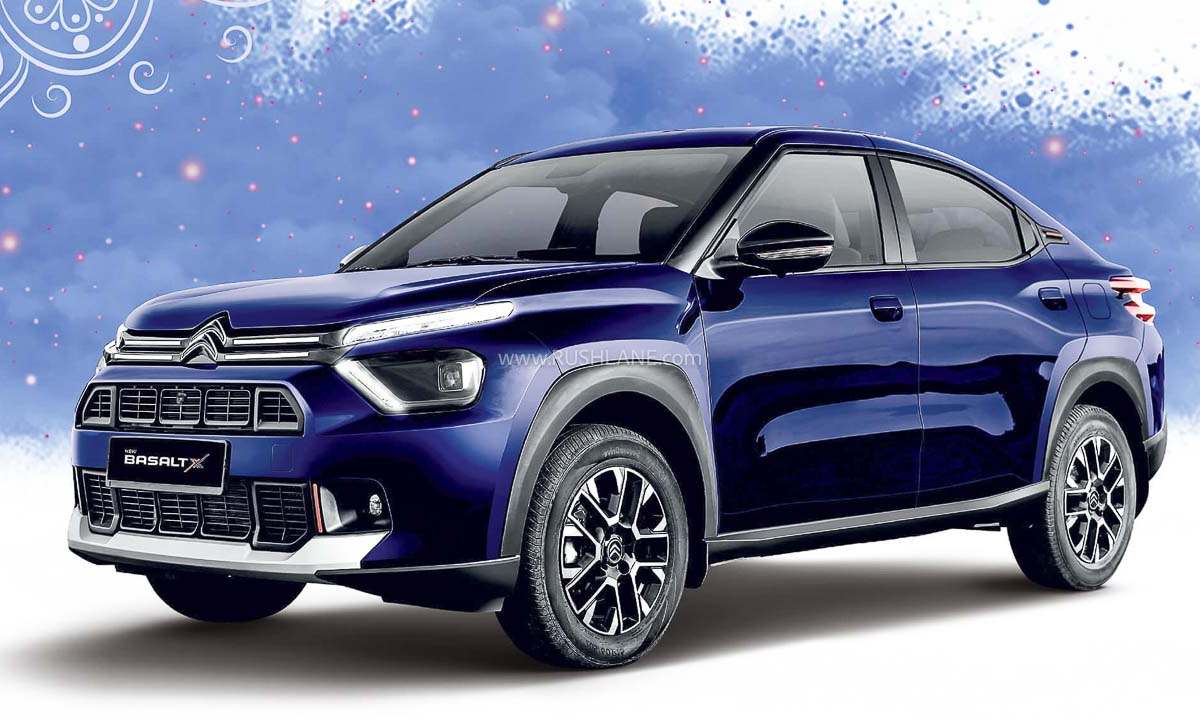
Citroen is banking on the festive buying season with a three-pronged refresh of its Indian lineup. The brand has introduced fresh variants of both the Aircross X and Basalt X, while simultaneously rolling out an updated eC3 X Extended that now delivers 330 km of certified range—a bump of 5 km over its predecessor.
New powertrains for Aircross X and Basalt X
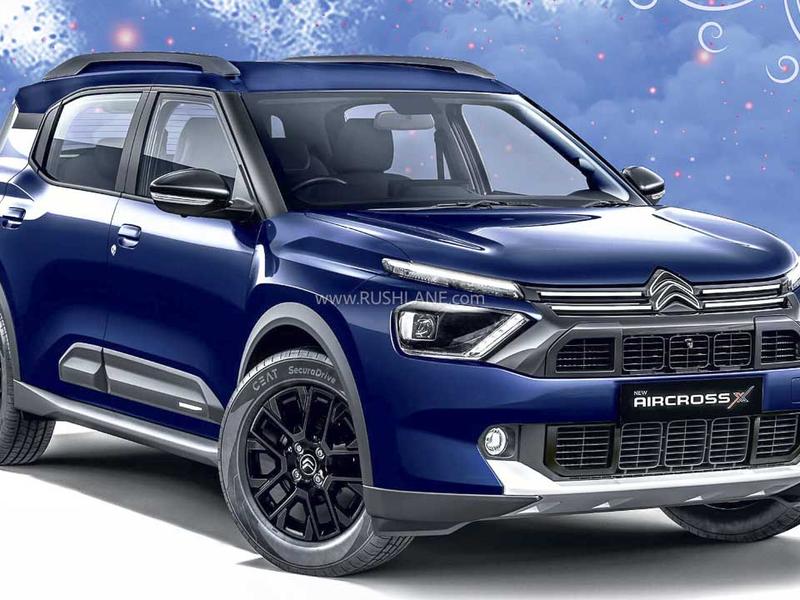
The Aircross X and Basalt X rosters now include both turbocharged and naturally aspirated engine options, giving buyers more flexibility across different price points and use cases. This dual-approach strategy is classic Citroen: keep the performance-focused buyers happy with the turbo mill, while offering a more fuel-efficient, lower-cost alternative in the naturally aspirated avatar. For someone doing daily city commutes and weekend trips, the NA variant makes financial sense. But if you’re regularly hitting the highway and want stronger mid-range grunt, the turbo is the pick.
The move also allows Citroen to compete more directly across a wider swath of the Rs 10–16 lakh bracket, where rivals like Hyundai Creta, Kia Seltos, and Maruti Grand Vitara are already entrenched. By offering both variants, Citroen sidesteps the trap of being locked into a single price band.
The eC3 X Extended gets a modest range bump
The eC3 X Extended’s new 330 km certified range (MIDC-I/II tested) is a marginal but meaningful update. Five additional kilometres might sound trivial on paper, but it erases lingering range anxiety for buyers doing 250–280 km round trips without needing to hunt for a charger mid-journey. For metro-based buyers—especially those in Bengaluru, Pune, or Hyderabad where charging infrastructure is maturing—this makes the eC3 X a more practical everyday proposition.
That said, the eC3 X Extended still lags rivals like the Tata Nexon EV (489 km claimed) and the MG Comet EV (460 km) on paper. But Citroen’s advantage lies in pricing and the fact that most Indian EV buyers are still in the sub-300 km comfort zone. The real question: how much did the battery pack expand to gain those 5 km, and did the on-road price climb accordingly? Citroen hasn’t disclosed this yet, and it matters for value perception.
Timing and market strategy
Rolling these refreshes out before the festival season is textbook smart. October through December is when Indian car buyers loosen their purse strings, and having a broader lineup means Citroen can capture fence-sitters who might otherwise default to Hyundai or Maruti. The brand’s distribution network is leaner than its Korean competitors, so every variant addition is a chance to move needle volume.
The eC3 X Extended, in particular, arrives at a moment when EV adoption is accelerating in Tier-1 cities and creeping into Tier-2 markets. Offering a longer-range variant at what’s expected to be a reasonable premium over the standard eC3 X could unlock a new buyer segment—families who want electric but aren’t ready to stretch toward a Nexon EV’s price tag.
What we make of it
Citroen’s playbook here is conservative but sensible. Rather than launching entirely new models, the brand is maximising its existing portfolio by adding powertrain and range variants. It’s not flashy, and it won’t generate headlines the way a surprise launch would. But for dealers managing inventory and for buyers who want choice without waiting months for delivery, this incremental approach works. The real test will be pricing—if the new turbo variants are positioned aggressively against the Creta and Seltos, Citroen could actually steal meaningful market share. If they’re priced too close to the existing lineup, they’ll just cannibalize existing sales.
The eC3 X Extended’s 330 km range is respectable but not revolutionary. We’ll reserve final judgment until we see the final on-road pricing and whether Citroen bundles any charging infrastructure perks to sweeten the deal.
Variant comparison table
| Model | Engine Type | Key Update | Target Buyer |
|---|---|---|---|
| Aircross X | Turbo / Naturally Aspirated | New NA variant added | Budget-conscious, city-focused |
| Basalt X | Turbo / Naturally Aspirated | New NA variant added | First-time SUV buyers |
| eC3 X Extended | Electric | 330 km certified range (+5 km) | Metro-based EV adopters |
FAQ
Q: How much more does the eC3 X Extended cost compared to the standard eC3 X?
A: Citroen hasn’t officially announced pricing yet, but expect a premium of ₹1–1.5 lakh for the extra 50+ km of range. Exact figures will be confirmed at dealerships nationwide.
Q: Are the new Aircross X and Basalt X naturally aspirated variants cheaper than the turbo versions?
A: Yes, the NA variants are positioned as entry-level options with lower on-road prices, while the turbo versions command a premium for added performance and mid-range torque.
Q: Does the eC3 X Extended compete with the Tata Nexon EV and MG Comet EV?
A: Partially. The eC3 X Extended is closer to the MG Comet EV in price and positioning, though it undercuts both on claimed range. It’s best suited for city buyers with regular charging access.
Frequently asked questions
How much more does the eC3 X Extended cost compared to the standard eC3 X?
Citroen hasn’t officially announced pricing yet, but expect a premium of ₹1–1.5 lakh for the extra 50+ km of range. Exact figures will be confirmed at dealerships nationwide.
Are the new Aircross X and Basalt X naturally aspirated variants cheaper than the turbo versions?
Yes, the NA variants are positioned as entry-level options with lower on-road prices, while the turbo versions command a premium for added performance and mid-range torque.
Does the eC3 X Extended compete with the Tata Nexon EV and MG Comet EV?
Partially. The eC3 X Extended is closer to the MG Comet EV in price and positioning, though it undercuts both on claimed range. It’s best suited for city buyers with regular charging access.