
Maruti Suzuki has just pulled the wraps off the refreshed Baleno, and this isn’t your typical mid-life facelift. Starting at ₹6.09 lakh ex-showroom, the new Maruti Baleno facelift brings Level 2 autonomous driving features to a segment where such tech has been rare. For a car that’s quietly dominated the premium hatchback space in India for years, this update signals the company’s push to load more safety and comfort into its bread-and-butter offering.
Pricing and variants
The Maruti Baleno facelift opens at ₹6.09 lakh (ex-showroom) for the base variant, with the company offering multiple trims across petrol and automatic options. Exact variant breakdowns and on-road figures weren’t detailed in the initial announcement, but expect the range to climb toward ₹9 lakh or beyond for the top-spec models. At the entry price, it sits just above the base Altroz and undercuts the i20 by a meaningful margin—a positioning that should appeal to buyers wanting premium features without premium pricing.
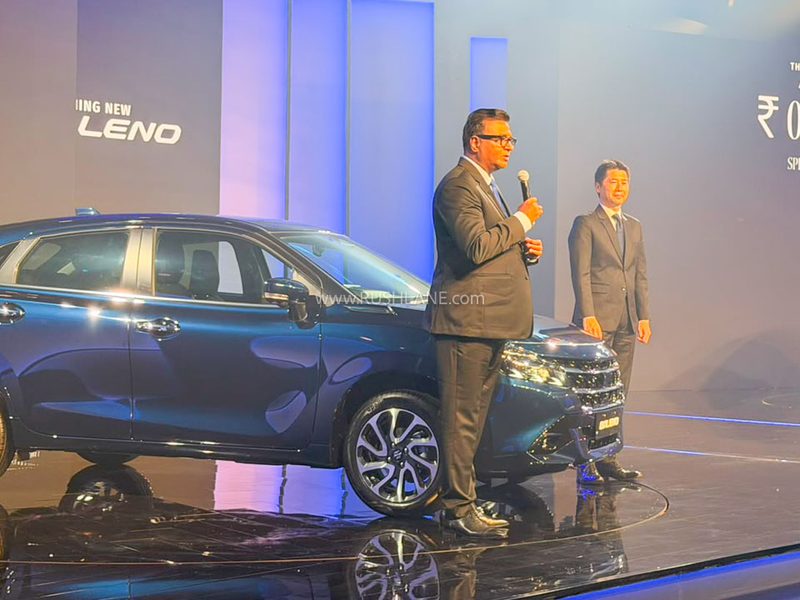
What’s new on the Maruti Baleno facelift
The exterior gets a sharper, more contemporary look. While full design details remain sparse, the refresh appears to modernize the face and stance without abandoning the Baleno’s familiar proportions. Inside, creature comforts have jumped a generation. Ventilated front seats are now standard on higher trims, a feature usually reserved for segment leaders. The wireless charging pad now includes active cooling—a small but genuinely useful addition if you’re running your phone all day in Indian heat.
But the headline upgrade is undoubtedly the Level 2 ADAS suite. This is the real game-changer for the Maruti Baleno facelift. We’re talking adaptive cruise control, lane-keeping assist, and collision warning systems—safety tech that was virtually absent from sub-₹10 lakh hatchbacks until now. Maruti has been conservative with ADAS rollouts, so seeing it arrive here, at this price point, marks a genuine shift in how the company is thinking about its core segments.
Engine and performance
Power comes from a 1.2-litre Z-series petrol engine. Maruti hasn’t released exact outputs yet, but this motor is familiar from other applications in the brand’s lineup. The company is expected to offer both manual and automatic transmissions, though specifics on gearbox types and fuel efficiency figures are awaited. For daily driving in metro cities and Tier-2 towns, a 1.2L petrol with ADAS and ventilated seats is a compelling package—especially if mileage stays competitive with the outgoing model.
How it stacks against rivals
The Tata Altroz remains a strong competitor, priced similarly but without ADAS. The Hyundai i20, meanwhile, sits higher on the price ladder and offers more engine options, but the Maruti Baleno facelift’s ADAS advantage is significant. The Volkswagen Polo, another premium hatchback, commands a higher price and appeals to a different buyer. What Maruti has done here is bring safety tech to the volume segment—and that’s worth paying attention to.
| Model | Starting Price | Key Feature | Engine |
|---|---|---|---|
| Maruti Baleno facelift | ₹6.09 lakh | Level 2 ADAS | 1.2L petrol |
| Tata Altroz | ₹5.99 lakh | Good safety, no ADAS | 1.2L petrol |
| Hyundai i20 | ₹6.92 lakh | Touchscreen, no ADAS | 1.2L petrol/turbo |
What buyers need to know
If you’re cross-shopping the Baleno against the Altroz, the ADAS difference could be the deciding factor—especially if you spend time on highways or congested commutes. The ventilated seats and wireless charging are conveniences, but ADAS is the real differentiator. However, we’ll reserve judgment on real-world performance until we’ve tested the system ourselves. Level 2 ADAS can vary wildly in responsiveness and reliability between brands.
One catch: waiting periods. Maruti’s popular models typically see 2–4 month delays, and the Baleno has never been an exception. If you’re buying now, factor in a wait. Resale value should remain strong given the Baleno’s track record, and the ADAS addition might even help hold value better than the older model.
The bottom line
The Maruti Baleno facelift is a smart, incremental update that doubles down on what made the original successful—affordability, reliability, and now, safety. Level 2 ADAS at ₹6.09 lakh is genuinely disruptive for the segment. Whether you’re a first-time buyer or upgrading from an older hatchback, this refresh gives you more reason to stick with Maruti. The real question isn’t whether the Baleno is good—it always has been. It’s whether the ADAS suite justifies waiting three months for delivery when the Altroz is sitting on dealer lots today. For most buyers, the answer will be yes.
Frequently asked questions
What is Level 2 ADAS and does the Maruti Baleno facelift have it?
Level 2 ADAS includes adaptive cruise control, lane-keeping assist, and collision warning. Yes, the new Maruti Baleno facelift comes equipped with Level 2 ADAS across higher variants, making it one of the first affordable hatchbacks in India with this technology.
What is the starting price of the Maruti Baleno facelift?
The Maruti Baleno facelift starts at ₹6.09 lakh ex-showroom. On-road prices will vary by city and state taxes, but expect to pay around ₹7–7.5 lakh for entry models in metro areas.
How does the Maruti Baleno facelift compare to the Tata Altroz?
Both start around ₹6 lakh, but the Baleno facelift adds Level 2 ADAS, ventilated seats, and active-cooled wireless charging. The Altroz offers a more spacious cabin and excellent safety features, but lacks ADAS. Choose the Baleno if ADAS matters to you; pick the Altroz if boot space and interior room are priorities.