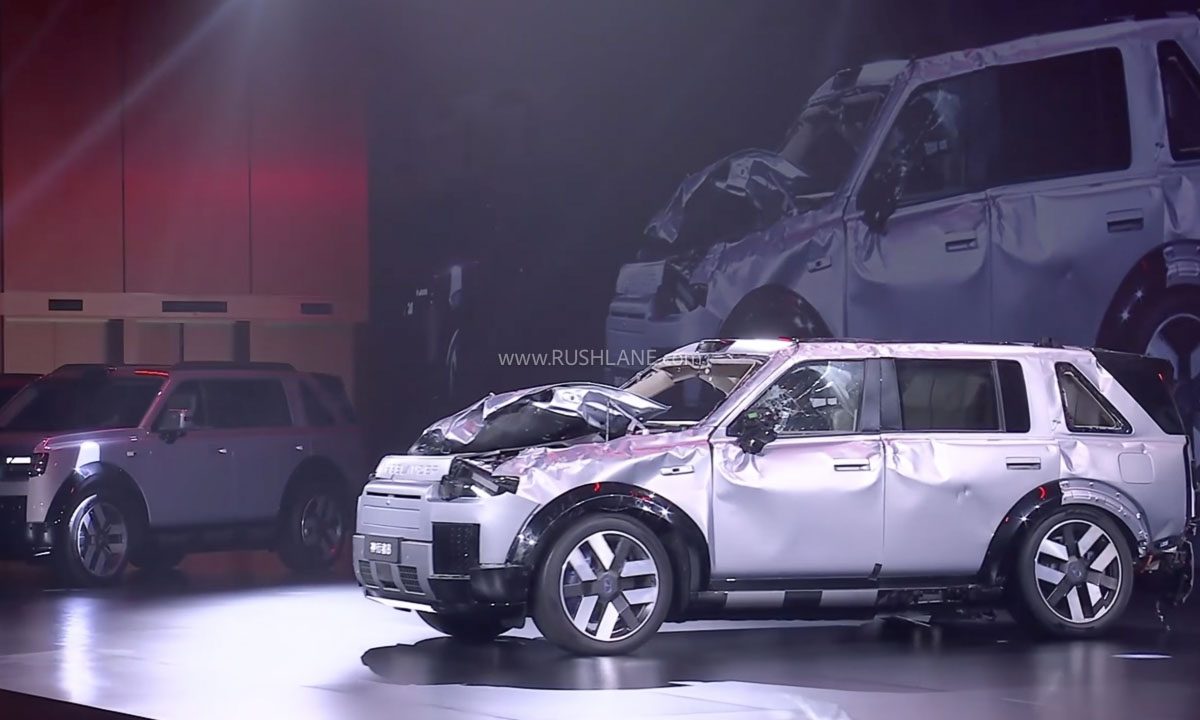
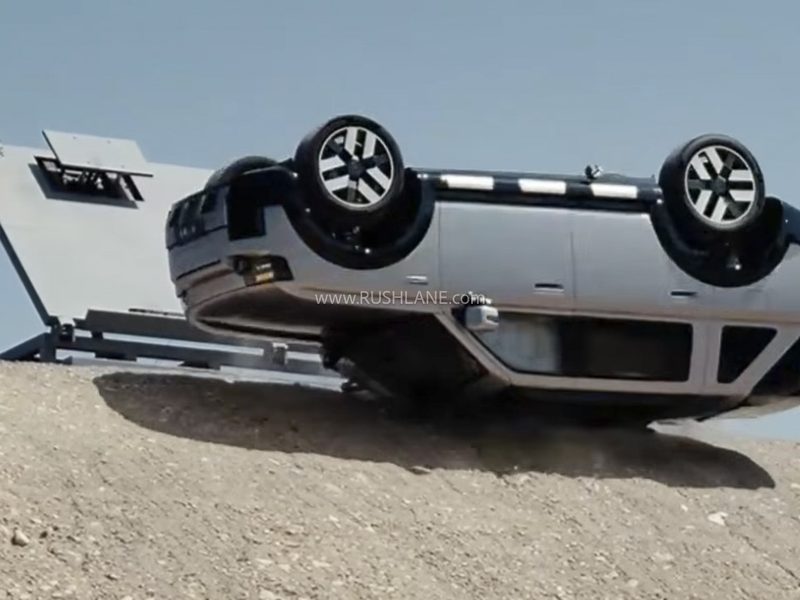
Here’s a stunt that actually proves something: the Freelander 8 SUV flipped during a rollover crash test, took a beating, and then simply drove away. Not crawled. Drove. The vehicle then climbed a steep unpaved slope before rolling into its own launch event under its own power. That’s the kind of durability claim you can’t fake.
The crash test that became a demo
Most crash tests end with the vehicle being hauled away on a flatbed. The Freelander 8 didn’t follow that script. After the rollover impact—which left visible structural damage—the SUV was fired up and driven out of the test site. No recovery truck needed. For a manufacturer launching a new model in a market increasingly conscious of safety ratings and real-world durability, this is exactly the kind of visual proof that resonates with buyers.
The fact that it then tackled a loose-surface hill climb adds another layer. It’s not just that the vehicle survived; it proved functional enough to handle rough terrain immediately after the impact. That’s a stronger statement than any press release about “structural integrity” could make.
What this means for the Freelander 8 launch
Arriving at your own launch event in the same vehicle that just survived a rollover test is brilliant marketing, but it’s also a calculated risk. If the SUV had limped in or failed to start, the entire narrative flips. The fact that Freelander went through with it suggests confidence in the vehicle’s build quality.
For buyers in the Indian SUV segment—where durability and safety are increasingly important selling points—this is worth noting. The Freelander 8 is positioning itself as a vehicle that can take punishment. Whether it’s a monsoon pothole, a highway collision, or an accident, the message is clear: this SUV is built to survive and keep moving.
The broader context
Crash tests have become the new battleground for SUV makers in India. Tata’s safety credentials with models like the Nexon, Mahindra’s focus on GVWR and stability, and even Kia’s emphasis on structural engineering—all of these play into buyer perception. A real-world rollover survival story, especially one documented and demonstrated at a launch event, cuts through the noise.
That said, one dramatic crash test doesn’t constitute a full safety assessment. Official crash test ratings from NCAP or similar bodies would provide a more comprehensive picture. But as a launch-day statement of intent, the Freelander 8’s performance sends a strong signal.
The bottom line
The Freelander 8 SUV has made a bold entrance. Surviving a rollover crash and then driving to your own launch event is either exceptional engineering or exceptional theater—possibly both. For a new entrant or a brand repositioning itself in the Indian SUV market, this kind of real-world durability demonstration matters far more than a spec sheet. Buyers will be watching closely to see if the Freelander 8 backs up this crash test claim with actual on-road performance, service reliability, and resale value. The rollover survived; now comes the harder test: the market.
Frequently asked questions
Did the Freelander 8 really drive after the rollover crash test?
Yes. After the rollover impact, the SUV was started and driven under its own power, then climbed a steep loose-surface hill before arriving at the launch event. It was not towed or recovered.
What does this crash test prove about the Freelander 8’s safety?
The rollover survival demonstrates structural durability and the vehicle’s ability to remain functional after a severe impact. However, a full safety assessment would require official crash test ratings from recognized bodies like NCAP.
When is the Freelander 8 SUV launching in India?
The launch event has already occurred, with the crash test vehicle arriving at the venue. Specific pricing and availability details should be confirmed with the manufacturer or authorized dealers.