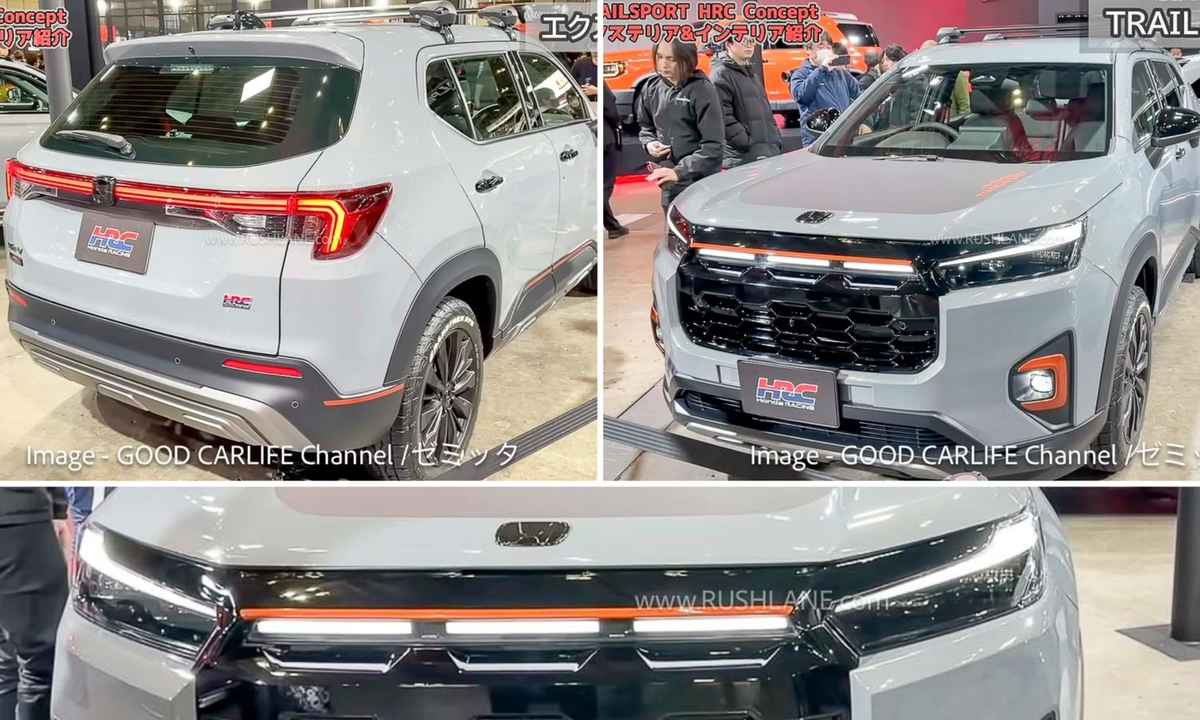
The Honda Elevate facelift is shaping up to be more than just a mid-cycle refresh. Fresh teasers reveal that Honda’s designers have borrowed heavily from the WR-V TrailSport HRC Concept unveiled at Tokyo Auto Salon in January 2026—and the visual connections are unmistakable. New LED lighting signatures and a redesigned bonnet badge hint at a more aggressive, concept-inspired look for the Indian market’s favourite affordable compact SUV.
Design cues from the Tokyo concept
The teased LED headlight and taillight designs on the Honda Elevate facelift mirror the sharp, angular treatment first shown on the WR-V TrailSport HRC Concept. That concept car, built around a sportier, more rugged theme, clearly influenced Honda’s thinking for this refresh. The new bonnet badge positioning also aligns with the concept’s bolder front-end treatment, suggesting Honda is moving away from the current generation’s softer aesthetic.
This isn’t Honda playing it safe. The company is essentially translating Tokyo show-car drama into a real-world, affordable SUV—a strategy that worked brilliantly for Tata with the Nexon and Creta’s design evolutions. If Honda pulls this off, the refreshed Elevate could feel genuinely fresh in a segment where rivals are getting stale.
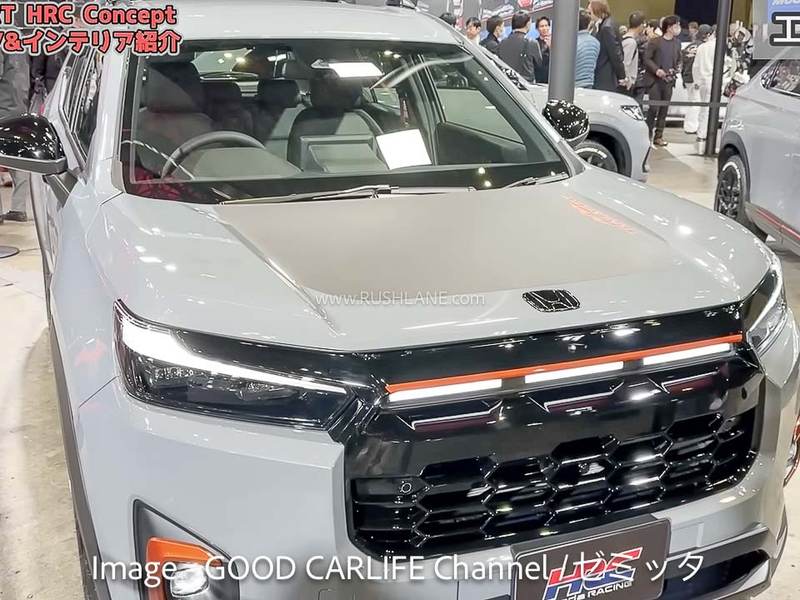
What the new LED lighting means
LED lighting upgrades on compact SUVs have become table stakes in this price bracket. But the specific design language matters. The teased signature suggests Honda is moving toward a more distinctive visual identity—thinner, more angular LED strips that should make the Elevate stand out in traffic and at night. Compared to the current generation’s somewhat generic setup, this is a meaningful step up.
The rear lights are equally important. A more dramatic LED treatment at the back ties the design language together and can genuinely improve perceived quality. For buyers at the ₹10–12 lakh mark, these visual touches signal that their money is buying something thoughtfully designed, not just assembled.
Bonnet badge and branding refresh
The repositioned logo on the bonnet is a small but telling detail. It suggests Honda is recalibrating the Elevate’s visual hierarchy—moving the badge forward and making it more prominent. This is pure branding psychology: a more visible, better-positioned logo reads as confidence and intentionality. Maruti did this with the Brezza, Hyundai with the Creta—it’s a proven way to make a car feel newer and more premium than its price tag.
What we’re still waiting to hear
The teasers tell us about exterior styling, but they’re silent on the things buyers actually care about: will the powertrain change? Is the 1.5L petrol staying, or is Honda finally adding a turbo option to match the Creta and Nexon? Will there be a diesel, or is that ship sailed? Interior updates—infotainment, upholstery, tech features—remain a mystery. So does pricing, though given the current Elevate sits around ₹10.5–12.5 lakh ex-showroom, expect the facelifted version to command a modest premium.
The real question is timing. Tokyo Auto Salon was in January 2026, and these teasers are dropping now, suggesting a launch could be weeks or months away. During festive season or early 2026? That’s still up in the air.
How this stacks up against rivals
The Elevate competes directly with the Maruti Brezza, Hyundai Creta, and increasingly, the Tata Nexon. The Brezza just got a facelift and looks sharper. The Creta is older but still sells in volumes the Elevate can only dream of. The Nexon has momentum and a growing EV option. A design refresh alone won’t close these gaps—Honda needs more: better features, possibly a turbo engine, aggressive pricing. The WR-V TrailSport DNA might help with perception, but perception doesn’t win sales wars in this segment. Substance does.
The bottom line
The Honda Elevate facelift looks like it’s getting the design refresh it desperately needed. Borrowing from a Tokyo concept car is smart positioning—it signals that this isn’t just a minor touch-up, but a genuine reimagining. The LED lighting and bonnet badge changes sound modest on paper, but in the metal, they could make a real difference. That said, cosmetics alone won’t move the needle for Honda. The Elevate needs a powertrain story—a turbocharged petrol, better mileage claims, or fresh features. If Honda delivers just a prettier version of the same car, it’ll be another also-ran in a brutally competitive segment. The next reveal will tell us whether this is a genuine comeback or just lipstick on a sedan-based compact SUV that’s running out of time.
Frequently asked questions
When will the Honda Elevate facelift launch in India?
An exact launch date hasn’t been confirmed, but the teasers suggest it could arrive in late 2025 or early 2026. Honda typically builds anticipation over 4–6 weeks before a launch reveal.
Will the Honda Elevate facelift get a new engine or turbo option?
Details on powertrain changes haven’t been disclosed yet. The current 1.5L petrol is expected to continue, but whether Honda adds a turbo variant or updates the engine remains unclear until the official reveal.
How much will the refreshed Elevate cost?
Pricing hasn’t been announced. The current Elevate ranges from ₹10.5–12.5 lakh ex-showroom, so expect the facelifted version to sit slightly higher, likely between ₹11–13 lakh depending on trim and features.