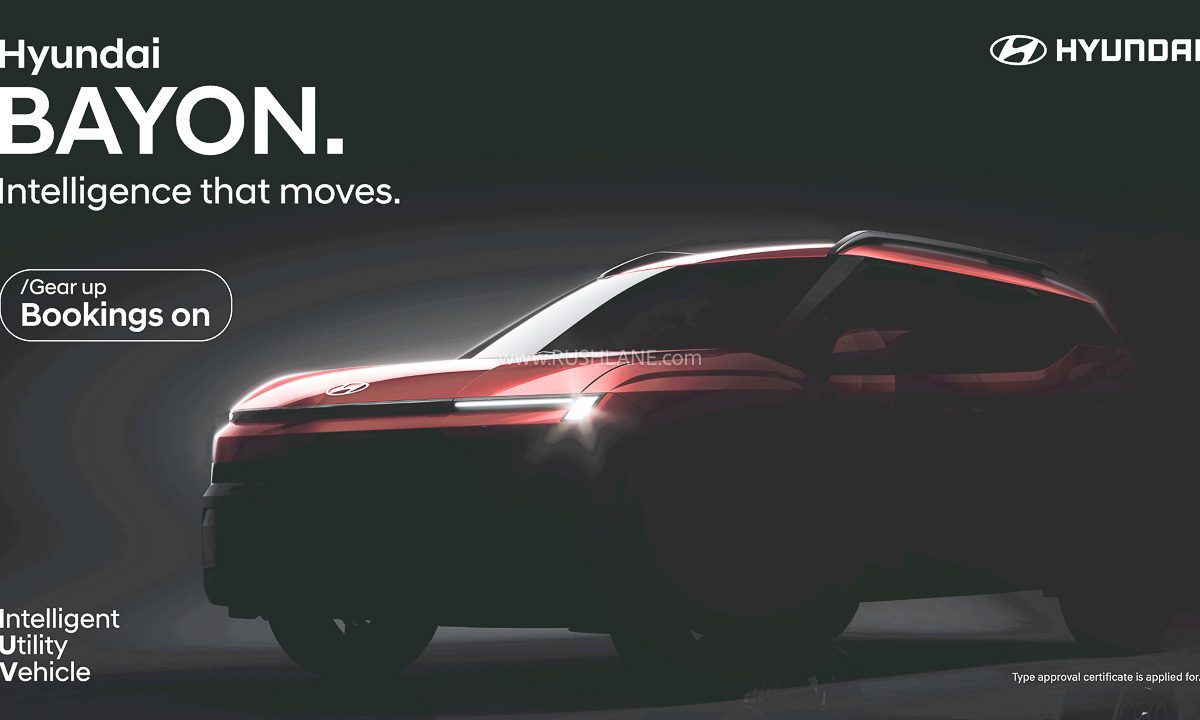
Hyundai Bayon bookings are now live across India. The Korean carmaker is accepting reservations for its upcoming compact SUV at a token amount of ₹11,000, with the vehicle expected to roll into showrooms during the festive season. This marks the formal arrival of a new nameplate in a segment crowded with Maruti Brezza, Tata Nexon, and Mahindra XUV300.
Hyundai Bayon bookings: How to reserve and what you pay
Interested buyers can lock in a Bayon through two channels—online via Hyundai’s official portal or in person at any authorized dealership. The ₹11,000 booking amount is standard across all variants and serves as a commitment deposit. Hyundai hasn’t yet announced the ex-showroom pricing structure, but industry watchers expect the Bayon to sit somewhere between the Maruti Brezza and the Tata Nexon, roughly in the ₹7–10 lakh ballpark for base variants.
The festive season launch window (typically October–November) aligns with when Indian buyers are most active in the car market. Waiting periods for compact SUVs are usually manageable, but early bookings often guarantee faster delivery slots.

The 4.2-metre compact SUV on a new platform
The Bayon is a 4.2-metre SUV—slightly shorter than the Nexon (4.2m) but positioned as a direct rival to the Brezza (3.99m) and XUV300 (3.82m). What sets it apart is the underpinning: Hyundai has developed the Global K Enhanced Platform specifically for this segment, which the company claims will help it achieve a 5-star rating on the Bharat NCAP crash test protocol.
Bharat NCAP is still in its early days, but the focus on structural safety and crash protection is a smart move. Hyundai’s commitment to a 5-star target suggests the Bayon will be engineered with modern safety standards from the ground up—crumple zones, airbags, ABS, and stability control should be standard across the range.
AI voice assistant and connected tech
The India-spec Bayon will feature an in-built generative AI voice assistant. This isn’t just a gimmick; it’s a differentiator in a segment where infotainment systems have become table stakes. The AI assistant can handle voice commands for navigation, climate control, music, and vehicle settings—useful for drivers who want to keep their hands on the wheel in urban traffic.
Hyundai has been aggressive with connected car technology across its lineup, and the Bayon appears to continue that trend. Expect wireless smartphone integration, over-the-air updates, and real-time traffic data as part of the package.
Powertrain and efficiency expectations
Hyundai hasn’t yet confirmed the engine options, but the Global K platform is flexible enough to accommodate both petrol and diesel units. Given the segment’s shift toward petrol-only lineups (Brezza dropped diesel in 2023, and Nexon is moving that way), a 1.2-litre petrol with manual and automatic gearbox options seems likely. A hybrid variant isn’t out of the question either, though that would push pricing higher.
Fuel efficiency will be critical. Buyers in this segment do 40–60 km daily in metro cities and expect 16–18 km/l from a petrol compact SUV. Hyundai’s proven track record with efficient three-cylinder engines (used in the i20 and Venue) suggests the Bayon should deliver competitive mileage figures.
How it stacks against rivals
The compact SUV segment is fiercely contested. The Maruti Brezza dominates on value and service network, the Tata Nexon leads on features and space, and the Mahindra XUV300 appeals to buyers wanting a premium cabin feel. The Hyundai Bayon has to carve its own identity.
If Hyundai prices the Bayon competitively—say, ₹7.5–9.5 lakh for base to mid variants—it becomes a genuine threat to the Brezza. The AI voice assistant and promise of Bharat NCAP 5-star safety could be the hooks that sway undecided buyers, especially first-time car owners who value both tech and peace of mind.
| Aspect | Hyundai Bayon (Expected) | Maruti Brezza | Tata Nexon | Mahindra XUV300 |
|---|---|---|---|---|
| Length | 4.2m | 3.99m | 4.2m | 3.82m |
| Booking Amount | ₹11,000 | ₹1–2 lakh | ₹1–2 lakh | ₹1–2 lakh |
| Expected Price Range | ₹7–10 lakh | ₹7.4–11.5 lakh | ₹7.5–12 lakh | ₹7.5–11 lakh |
| Safety Focus | Bharat NCAP 5-star target | No NCAP submission yet | No NCAP submission yet | 4-star NCAP (2020) |
| Key Differentiator | AI voice assistant, Global K platform | Affordability, reliability | Features, space, performance | Premium cabin, safety features |
What we make of it
Hyundai Bayon bookings signal the company’s confidence in capturing a slice of India’s fastest-growing segment. The compact SUV market is forecast to cross 1.5 million units annually by 2026, and Hyundai can’t afford to sit on the sidelines while Maruti, Tata, and Mahindra rake in sales. The AI voice assistant is a smart differentiator, but it won’t move the needle unless pricing is sharp and delivery timelines are fast.
The real test comes once prices are announced. If the Bayon undercuts the Nexon by ₹1–1.5 lakh while offering similar features and a credible safety promise, it becomes a dark horse in the segment. If it’s priced in line with rivals, it’ll struggle to justify the booking against established nameplates with proven resale values and dealer networks.
One thing’s certain: the Bayon’s arrival will push rivals to sharpen their own value propositions. Expect price cuts and feature additions across the compact SUV range once this new entrant lands in showrooms.
Frequently asked questions
How much is the Hyundai Bayon booking amount?
The Hyundai Bayon bookings require a token payment of ₹11,000, which can be paid online or at a dealership. This amount is adjustable against the final purchase price.
When will the Hyundai Bayon launch in India?
Hyundai plans to launch the Bayon during the festive season (October–November). Exact launch date and pricing will be announced closer to the event.
What makes the Hyundai Bayon different from rivals like Brezza and Nexon?
The Bayon features an in-built generative AI voice assistant, a new Global K Enhanced Platform, and targets a 5-star Bharat NCAP safety rating. These are key differentiators in its segment.