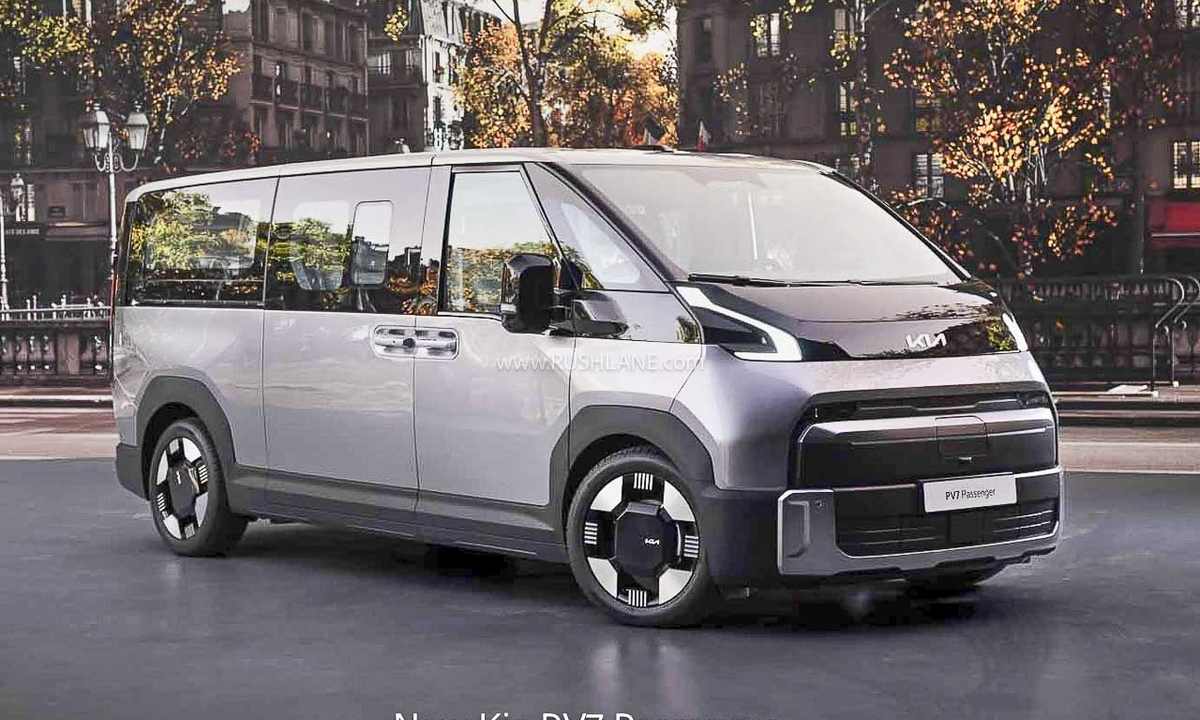
Kia has unveiled its latest addition to the electric commercial vehicle lineup with the PV7 electric van, a substantially larger offering than its predecessor. Revealed at the IAA Transportation 2026 event, this new model marks a significant expansion of Kia’s electrified commercial portfolio, which began with the PV5 last year. The vehicle measures 5.35 metres in length and can accommodate up to nine passengers in its largest configuration.
Kia PV7 Electric Van: Powertrain and Battery
The heart of this electric van is a 96.2 kWh battery pack, providing the energy needed for commercial operations across multiple market segments. This capacity places the Kia PV7 electric van firmly in the mid-to-large range for commercial electric vehicles, balancing range requirements with practical charging infrastructure constraints.
While detailed range figures haven’t been disclosed yet, the battery size suggests this van is engineered for daily commercial use rather than ultra-long-haul operations. For fleet operators and businesses in Europe and Korea—the primary markets being targeted initially—this should translate to realistic daily operating distances suitable for urban delivery, shuttle services, and passenger transport.
Seating, Layout, and Cargo Flexibility
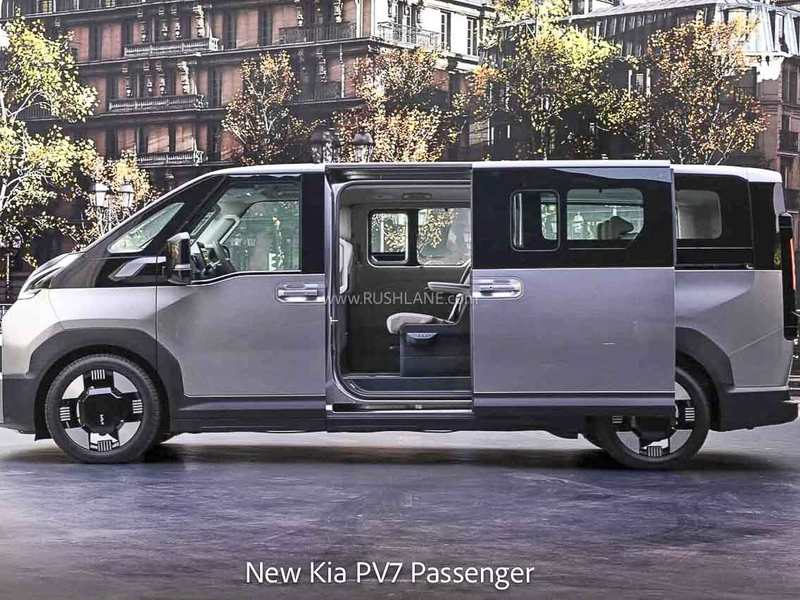
The nine-seater configuration represents the passenger-focused variant of the Kia PV7 electric van, making it competitive for shuttle services, group transport, and small-to-medium fleet operations. The vehicle’s 5.35-metre length provides generous interior space without becoming unwieldy in congested city environments—a critical consideration for commercial operators navigating European and Korean urban centres.
Kia has confirmed that the Kia PV7 electric van will come in both passenger and cargo versions. This dual-purpose approach is clever: operators can choose a configuration that matches their exact business needs. The cargo variant opens possibilities for last-mile delivery, parcel services, and goods transport—segments where electric vehicles are increasingly preferred due to lower operating costs and zero tailpipe emissions.
Market Strategy and Competition
The introduction of the PV7 follows Kia’s measured approach to commercial electrification. The PV5, launched last year, established Kia’s credentials in the segment. Now, with a larger model, the company is clearly signalling ambitions to capture different customer segments within the commercial vehicle market.
This positions Kia against established players like Volkswagen (ID. Buzz), Mercedes (eSprinter), and Ford (E-Transit). The Kia PV7 electric van enters a market that’s rapidly shifting toward electrification, driven by stringent EU emissions regulations and rising fuel costs. The nine-seater passenger variant, in particular, fills a niche where traditional ICE minivans are being phased out.
Global Rollout: Korea and Europe First
Kia has indicated that the Kia PV7 electric van will be available in multiple markets, with Korea and Europe confirmed as launch regions. This geographical focus makes strategic sense: Korea has aggressive EV adoption targets and strong charging infrastructure, while Europe’s commercial vehicle market is actively transitioning to electric powertrains due to regulatory pressure and total cost of ownership advantages.
For Indian buyers, this launch signals Kia’s serious investment in electric commercial vehicles globally. While there’s no official confirmation of India availability yet, Kia’s track record suggests a possibility further down the line, especially if India’s commercial vehicle segment begins electrifying at scale. The company has already established manufacturing and distribution networks in India with models like the Seltos and Sonet, so a commercial electric vehicle isn’t entirely implausible.
What This Means for the Commercial EV Space
The arrival of the Kia PV7 electric van underscores a broader industry trend: electrification is no longer confined to passenger cars. Commercial vehicles—vans, buses, and light trucks—are becoming the next battleground for EV manufacturers. The economics work: commercial operators rack up high annual mileage, making the lower per-kilometre cost of electric operation highly attractive. Maintenance costs drop significantly without engine oil changes, spark plugs, and complex gearboxes.
For fleet managers evaluating the Kia PV7 electric van, the 96.2 kWh battery capacity is substantial enough to handle realistic daily routes without constant charging. The nine-seater layout maximises revenue per trip for shuttle and group transport operators, while the cargo variant addresses the booming last-mile delivery sector.
The Bottom Line
Kia’s expansion into larger commercial electric vehicles with the Kia PV7 electric van reflects confidence in the segment’s growth trajectory. The nine-seater configuration and dual passenger-cargo strategy show thoughtful product planning. At 5.35 metres, it’s large enough to be genuinely useful but not so massive that it becomes a logistics nightmare in city traffic.
The 96.2 kWh battery is competitive, though we’ll reserve judgement on real-world range and charging times until Kia releases full specifications. What’s clear is that traditional combustion-engine commercial vehicles are being systematically replaced, and Kia is positioning itself as a credible alternative to German and American incumbents. For operators in Europe and Korea, the Kia PV7 electric van deserves serious consideration—especially if the total cost of ownership stacks up favourably after accounting for electricity, maintenance, and government incentives.
Frequently asked questions
Will the Kia PV7 electric van be available in India?
Kia has confirmed launches in Korea and Europe first. No official India timeline has been announced, though Kia’s existing presence in the Indian market leaves the door open for a future introduction if commercial EV demand grows.
What’s the difference between the passenger and cargo versions of the Kia PV7 electric van?
The passenger variant seats up to nine people and is designed for shuttle, group transport, and people-mover applications. The cargo version prioritises load space for delivery and goods transport, with flexible interior configurations.
How does the 96.2 kWh battery compare to rival electric vans?
The 96.2 kWh capacity is mid-to-large for commercial electric vans, comparable to competitors like the Volkswagen ID. Buzz and Mercedes eSprinter. Exact range figures will determine real-world competitiveness, which Kia hasn’t yet disclosed.