
Simple Energy is bringing its first family-focused electric scooter to market on September 2, 2026. The Simple Energy Arrive electric scooter marks the brand’s push into the segment beyond its existing portfolio, developed entirely through the company’s internal research and development efforts.
This isn’t just another e-scooter announcement. The company’s decision to position this as a “family-oriented” offering suggests a deliberate shift toward practicality over pure performance. In a market flooded with sporty, single-rider focused machines, a family scooter is a different beast altogether—and that positioning could matter significantly for buyers looking at shared household mobility.
What the Simple Energy Arrive electric scooter targets
The naming—Arrive—hints at utility and everyday usability rather than speed or style. This is a calculated move in a two-wheeler market where family scooters still command solid volumes, especially in Tier-2 and Tier-3 towns where a single vehicle often serves multiple household members.
Simple Energy has built its reputation on the Simplicity One, a performance-focused electric scooter that caters to enthusiasts. The Arrive, by contrast, appears designed for a different buyer entirely: someone prioritizing reliability, practicality, and affordability over 0-60 acceleration times. Whether the company can execute this transition convincingly remains to be seen.
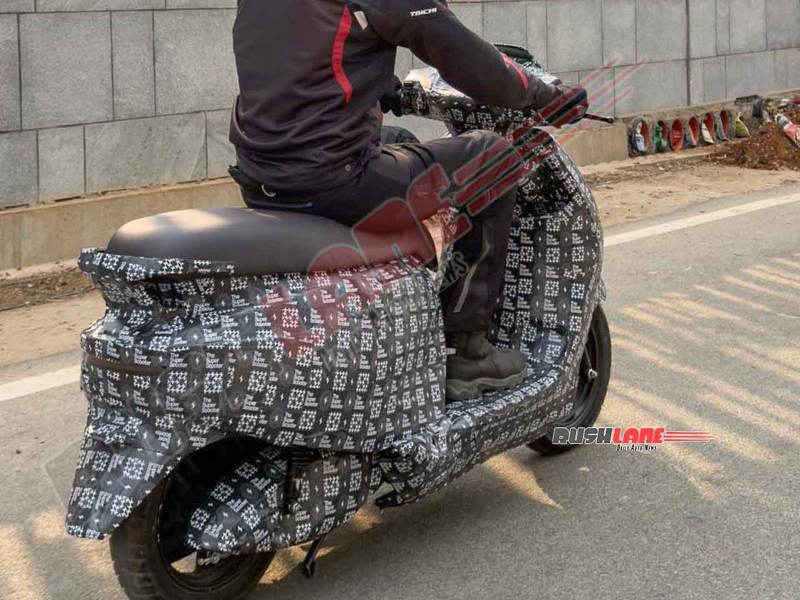
In-house development signals commitment
The fact that Simple Energy developed the Simple Energy Arrive electric scooter through its own R&D is noteworthy. Many Indian e-scooter makers rely heavily on contract manufacturers or white-label platforms. Building your own platform—even for an entry-level family scooter—requires capital, engineering bandwidth, and confidence in the market opportunity.
This approach also gives the company control over cost structure. If Simple Energy can keep development and manufacturing lean, they could price the Arrive aggressively. And in the affordable family scooter space, price is often the deciding factor.
Timing and market context
September 2026 is still nine months away, which is a long runway for a launch announcement. The extended lead time suggests either careful preparation or a strategic reveal designed to manage expectations and build anticipation. Or both.
The family electric scooter segment in India remains underdeveloped compared to performance-focused models. Most buyers shopping for a practical, no-frills e-scooter either end up with a conventional petrol scooter (cheaper, more range) or stretch their budget for a premium electric option. A genuinely affordable family electric scooter could fill that gap—if the pricing and range are right.
What we’re expecting (and what’s still unclear)
Details on the Simple Energy Arrive electric scooter remain thin. No specs, no price, no battery options have been confirmed. Real buyers will want to know:
- Range: Can it handle 60-80 km daily commutes on a single charge? Family scooter buyers typically prioritize range over peak power.
- Seating and comfort: How wide is the seat? Is there proper back support? Can two adults ride comfortably for extended periods?
- Charging time: Fast charging (30-45 minutes) matters for households with multiple riders.
- Price: To be truly competitive in the family segment, it needs to undercut premium petrol scooters significantly—probably under ₹1 lakh on-road.
The September reveal will answer these questions. Until then, positioning is all we have.
Competition and market reality
The family electric scooter space isn’t crowded, but it’s not empty either. Mainstream brands like Hero, Bajaj, and TVS have dabbled in electric scooters, though mostly in the performance segment. A true family-oriented play is rarer. Simple Energy will have room to maneuver—but also the burden of proving that a family e-scooter can be both practical and profitable.
Petrol scooters still dominate the family category because they’re cheap, have proven reliability, and resale value is predictable. An electric alternative needs to beat them on total cost of ownership—purchase price, charging, maintenance—not just environmental credentials.
The bottom line
Simple Energy Arrive electric scooter’s September 2 launch could be a genuine inflection point for family e-mobility in India, or it could be a well-intentioned miss. The company has the engineering chops and the brand credibility. What matters now is execution: realistic range claims, competitive pricing, and a charging ecosystem that actually works for multi-rider households. We’ll reserve final judgment until the specs and on-road price are unveiled, but the ambition here is sound. Family scooters deserve better electric options, and Simple Energy might just deliver one.
Frequently asked questions
When will the Simple Energy Arrive electric scooter launch?
Simple Energy has confirmed the launch date as September 2, 2026. The company will unveil its first family-oriented electric scooter on this date, with full specifications and pricing details expected to follow.
What makes the Simple Energy Arrive electric scooter different from other e-scooters?
The Arrive is positioned as a family-oriented electric scooter, prioritizing practicality and everyday usability over pure performance. It was developed entirely through Simple Energy’s in-house research and development, giving the company control over design and cost.
What price range can we expect for the Simple Energy Arrive electric scooter?
No official pricing has been announced yet. However, for the Arrive to be competitive in the family scooter segment, it will likely need to be positioned as an affordable option, though exact on-road pricing will be revealed at launch on September 2, 2026.