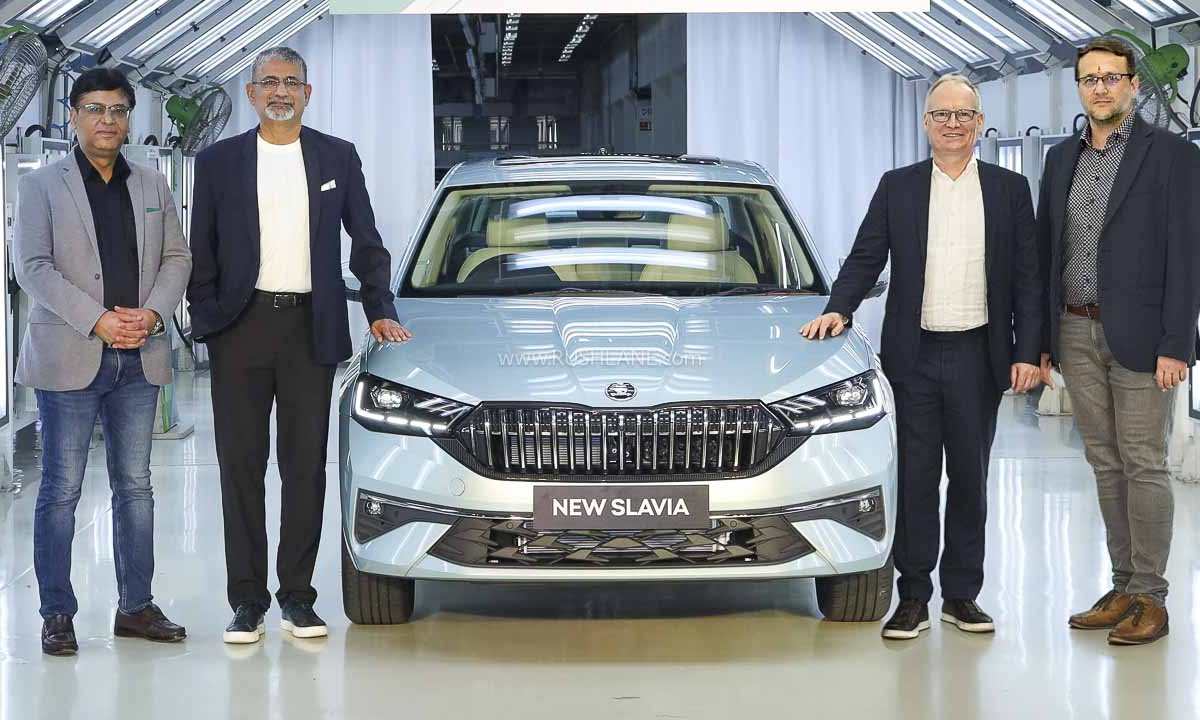
Production of the Skoda Slavia facelift has kicked off at the company’s Pune manufacturing facility, signalling that the refreshed sedan is ready to hit showrooms very soon. This is the first major update to the nameplate since it arrived in India around four years ago, and it arrives at a time when the mid-size sedan segment is under pressure from feature-rich SUVs stealing buyers.
What’s new in the Skoda Slavia facelift
The updated Slavia facelift brings a meaningful list of upgrades across comfort, convenience, and powertrain options. Most notably, Skoda has fitted an eight-speed automatic transmission to the lineup—a significant jump from the previous six-speed unit. This should make the sedan more competitive against rivals like the Maruti Ciaz and Honda City, both of which already offer smoother, more responsive automatics.
On the creature-comforts front, the facelift introduces rear-seat massage functionality, a feature that trickles down from the company’s larger models and adds a touch of premium appeal to the cabin. A 360-degree camera system is also now part of the package, addressing one of the practical pain points owners face during tight parking manoeuvres in congested Indian cities.
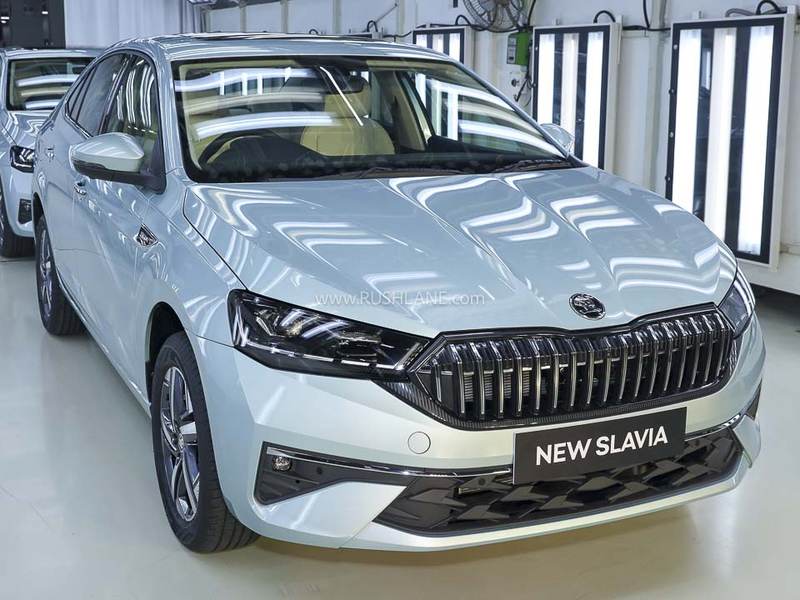
Skoda Slavia facelift: powertrain and transmission details
While full powertrain specifications haven’t been officially confirmed yet, the Slavia facelift is expected to retain the 1.0-litre turbocharged petrol engine that currently powers the sedan. The addition of the eight-speed automatic is the headline mechanical change. This new gearbox should improve fuel efficiency and reduce the strain on the engine during highway cruising—a genuine benefit for buyers logging long commutes.
The manual transmission option will likely remain for price-conscious buyers, though Skoda has been gradually shifting focus toward automatics in the Indian market. Whether a diesel variant returns is still unclear; Skoda discontinued the diesel Slavia a while back as demand shifted toward petrol and hybrid options across the segment.
Timing and market implications
With production already underway at the Pune plant, a launch is expected in the coming weeks. The timing is strategic—it positions the Slavia facelift ahead of the festive season when sedan buyers typically make purchasing decisions. For Skoda, this refresh is crucial. The Slavia has been a steady seller in the Indian market, but it has lost some ground to more feature-laden competitors and the relentless rise of SUVs, even in the budget-conscious segments.
The eight-speed automatic and rear massage seats are not revolutionary features—both exist elsewhere in the segment—but they address real buyer expectations. In a market where the Ciaz and City dominate through sheer brand strength and dealer networks, Skoda needs to stand out. The 360-degree camera is a practical addition that appeals to first-time automatic buyers who often cite parking anxiety as a reason to avoid automatics.
Rivals and competitive positioning
The Slavia facelift will continue to compete against the Maruti Ciaz, Honda City, Hyundai Verna, and the Volkswagen Virtus (Skoda’s own corporate sibling). The Virtus actually sits slightly above the Slavia in terms of positioning, and both share the same platform. The key differentiator for the Slavia facelift will be pricing—if Skoda can keep the automatic variant within striking distance of the Ciaz and City automatics, it has a shot at winning over buyers who value Skoda’s build quality and warranty support.
The rear massage seats are a gimmick for many, but they signal that Skoda is listening to what buyers want in a car they’ll spend two hours a day commuting in. That matters more than flashy exterior styling in this segment.
What we make of it
The Skoda Slavia facelift feels like a measured, sensible update rather than a transformative redesign. The eight-speed automatic is the real story here—it’s the kind of mechanical upgrade that doesn’t make headlines but genuinely improves the ownership experience. For sedan buyers in the ₹10–14 lakh range, this facelift makes the Slavia a more rounded proposition. The question isn’t whether the updates are good; they are. The real test is whether Skoda can convince buyers that a Slavia is worth choosing over a Ciaz or City, and that will ultimately come down to pricing and dealer experience. We’ll reserve final judgement until the official launch and price reveal, but the production start is a green light that Skoda is serious about defending its turf in the mid-size sedan space.
Frequently asked questions
When will the Skoda Slavia facelift launch in India?
An exact date hasn’t been announced, but production has already begun at Skoda’s Pune plant, suggesting a launch is imminent—likely within the next few weeks, possibly before the festive season.
What are the main updates in the Skoda Slavia facelift?
The key additions are an eight-speed automatic transmission, rear-seat massage function, and a 360-degree camera system. The engine and overall design language are expected to remain largely unchanged.
How does the new eight-speed automatic compare to the outgoing gearbox?
The eight-speed is a step up from the previous six-speed automatic, offering smoother shifts, better fuel efficiency, and reduced engine strain during highway driving—bringing the Slavia closer to rivals like the City and Ciaz.