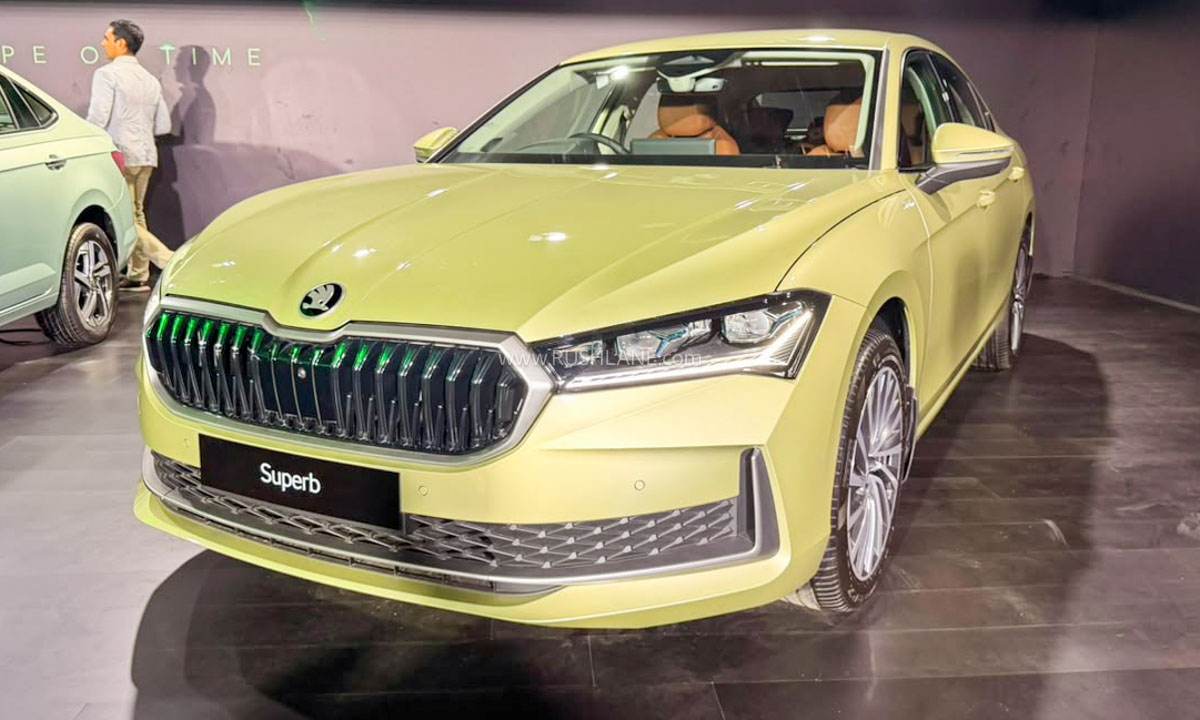
Skoda is bringing back the Superb diesel to India, and it’s coming as the all-new fourth-generation model. The Czech carmaker revealed the sedan at an event yesterday, confirming a 2027 launch timeline for the Indian market. This marks the return of a nameplate that once commanded respect in the premium sedan space, though the new version will arrive via the CBU (completely built unit) route rather than local assembly.
Skoda Superb diesel India: What’s changing
The fourth-generation Superb represents a significant generational leap. It’s longer, wider, and more spacious than its predecessor, with a redesigned interior that emphasizes technology and comfort. Skoda has ditched the AWD option for the Indian market—a pragmatic choice given the limited demand for all-wheel drive in our segment and the cost implications of importing it as a CBU.
The diesel engine remains the headline powertrain for India. While exact specifications haven’t been disclosed yet, expect a modern 2.0-litre turbocharged unit that should deliver better efficiency and lower emissions than older Superb diesels. The sedan will also come equipped with an automatic transmission, aligning with buyer expectations in this price bracket.
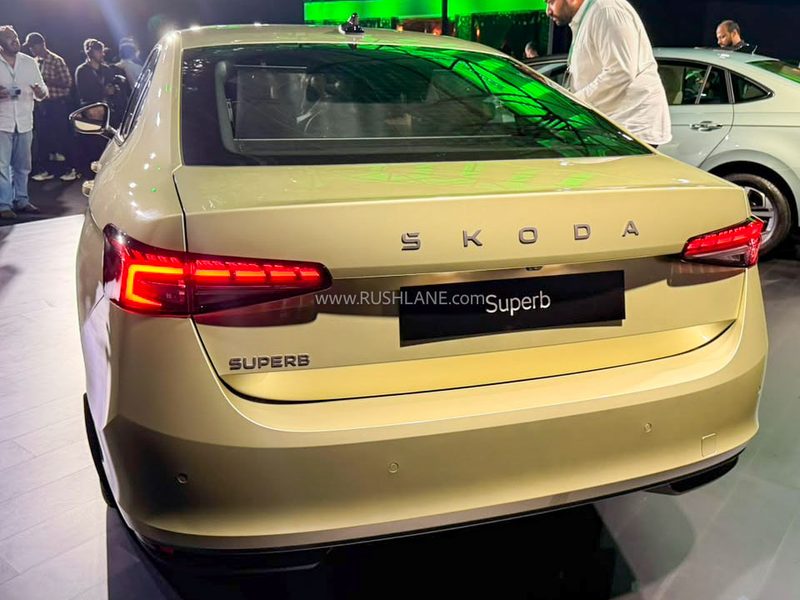
Design and interior overhaul
Visually, the new Superb diesel wears Skoda’s latest design language—cleaner lines, a wider grille, and LED lighting as standard. Inside, the cabin gets a substantial refresh with a larger touchscreen infotainment system, digital instrumentation, and upholstery options that lean premium. Boot space and rear legroom, traditionally the Superb’s strongest suits, remain class-leading.
For Indian buyers accustomed to the older generation, this will feel like a proper step up. The materials feel more upmarket, and the overall sense of solidity is undeniable. Whether that justifies the inevitable price premium over rivals remains to be seen.
Pricing and positioning in the Indian market
The Skoda Superb diesel India pricing will be crucial. The last-generation Superb exited the market partly because it occupied an awkward middle ground—too expensive for mass-market buyers, yet not luxurious enough to justify the premium over German rivals. The new model will face a similar challenge, especially with the Skoda Slavia now serving as an accessible entry point and the Volkswagen Passat sitting in the premium sedan space.
Expect the new Superb to land somewhere between ₹25 lakh and ₹35 lakh ex-showroom, though the exact on-road price will depend on GST treatment and Skoda’s positioning strategy. Given that it’s a CBU import, there’s no escaping the cost penalty compared to locally assembled competitors.
Rivals and market reality
The Superb diesel India will compete against a shrinking pool of premium sedans. The Skoda Superb diesel India’s main rivals will be the Volkswagen Passat (if it continues), and increasingly, premium SUVs that have cannibalized the sedan segment. Hyundai’s Elantra and Maruti’s Ciaz occupy lower price points, while luxury brands like BMW and Mercedes dominate above ₹40 lakh.
The sedan market in India has been contracting for years. SUVs and crossovers have stolen mindshare, and buyers willing to spend ₹30 lakh-plus increasingly prefer the commanding driving position and perceived versatility of an SUV. Skoda will need to make a compelling case for why the Superb diesel India—spacious, comfortable, and efficient—deserves a place in that buyer’s shortlist.
Why the diesel focus?
Diesel engines have fallen out of favor globally, but in India, they still make sense for high-mileage users and fleet buyers. A diesel Superb with claimed mileage figures in the mid-to-high 15 km/l range could appeal to corporate buyers and those doing regular long-distance runs. The torque delivery of a modern diesel also suits highway cruising, where the Superb’s length and wheelbase shine.
That said, Skoda could have hedged its bets with a petrol option. The absence of one—at least at launch—suggests the company is betting heavily on diesel demand persisting in this segment, a wager that feels increasingly risky.
The waiting period question
As a CBU import, the Skoda Superb diesel India won’t have the kind of waiting period issues that plague hot-selling models. Buyers should expect relatively quick delivery, which is a plus if you’re in a hurry. However, it also underscores the niche nature of this vehicle—it’s not expected to be a volume play.
The bottom line
The return of the Skoda Superb diesel India is a bold move in a market that has largely moved on from premium sedans. Skoda deserves credit for not chasing SUV trends blindly and for maintaining a presence in the sedan segment. The new generation is undoubtedly a better car than its predecessor—more refined, more spacious, more tech-laden.
But better doesn’t automatically translate to successful. When the Superb diesel India finally lands in 2027, it will arrive into a market that has fundamentally shifted. Buyers with ₹30 lakh to spend are far more likely to eye a Creta, a Seltos, or even a mid-range luxury SUV than a sedan, however spacious. Skoda will need aggressive pricing, strong warranty terms, and a compelling ownership experience to make this work. Without those, the Superb risks becoming a niche product for enthusiasts rather than a volume contributor to Skoda’s India sales.
Frequently asked questions
When will the Skoda Superb diesel India launch?
Skoda has confirmed a 2027 launch for the new Skoda Superb diesel India. The exact month and pricing will be announced closer to the launch date.
Will the Superb be available with petrol and automatic transmission options?
Skoda has unveiled the Superb diesel as the primary powertrain for India. A petrol option has not been announced, and the diesel is expected to come with an automatic transmission.
How will the Skoda Superb diesel India be imported?
The new Superb will arrive via the CBU (completely built unit) route, meaning it will be fully assembled abroad and imported as a finished vehicle rather than locally assembled.