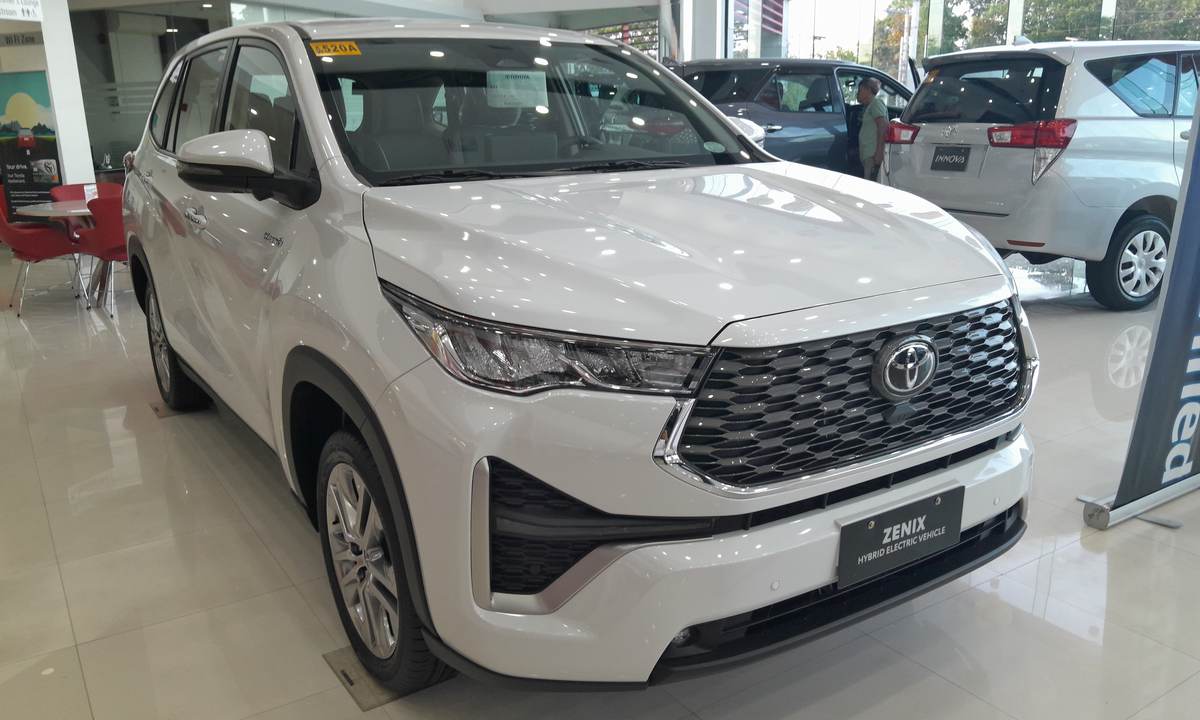
Toyota is gearing up for an aggressive expansion in India with four new vehicle launches expected within the next 12 to 15 months. After a relatively quiet period—barring the Urban Cruiser Hyryder’s arrival—the Japanese automaker plans to significantly refresh its local portfolio through Toyota Kirslokar Motor (TKM). All four models will be manufactured or assembled in India, signalling the company’s commitment to the domestic market.
Why Toyota new car launches India matter now
Toyota has struggled to maintain momentum in India’s competitive passenger vehicle market. The company’s recent launches have been limited, and its market share has remained modest compared to rivals like Maruti Suzuki, Hyundai, and Kia. The upcoming Toyota new car launches India initiative represents a strategic pivot—a multi-pronged effort to address different customer segments and price points simultaneously.
The timing is significant. India’s automotive market is recovering post-pandemic, and consumer appetite for fresh models remains strong. By spacing four launches across 12-15 months, Toyota can maintain consistent showroom buzz and capture buyers across multiple segments without cannibalising its own sales.

What to expect from the Toyota new car launches India lineup
While specific model names and detailed specifications remain under wraps, industry expectations suggest Toyota will target high-demand segments. The company has historically focused on SUVs and utility vehicles in India—categories that continue to drive growth. Given the Urban Cruiser Hyryder’s success, expect at least one or two additional SUV offerings at different price points.
The remaining launches are likely to address the sedan and hatchback segments, where Toyota currently has limited presence. A potential compact SUV or a refreshed sedan variant could fill gaps in Toyota’s portfolio. Each launch will be locally assembled to keep prices competitive, a crucial factor in India’s price-sensitive market.
Manufacturing and assembly strategy
Toyota Kirslokar Motor operates manufacturing facilities in Bidadi, Karnataka, and has the production capacity to handle multiple new models. The decision to manufacture or assemble all four vehicles locally is economically sound—it reduces import duties, lowers ex-showroom prices, and improves margins. This approach also demonstrates confidence in India’s long-term automotive potential.
Local assembly also enables faster launches and easier customisation for Indian buyers. Toyota can tailor features, powertrains, and trim levels to match local preferences without lengthy import procedures.
Timeline and launch sequence
The 12-15 month window suggests a staggered rollout rather than a simultaneous launch blitz. This strategy allows Toyota to manage supply chain pressures, allocate marketing budgets strategically, and gather customer feedback between launches. Industry observers expect the first model to arrive within the next 6-8 months, with subsequent launches following at 3-4 month intervals.
Such pacing also gives dealerships time to prepare inventory, train staff, and build anticipation through teasers and previews—a proven formula in India’s automotive market.
Competitive positioning
Toyota’s multi-launch strategy puts pressure on established rivals. Hyundai and Kia have dominated the SUV segment with aggressive pricing and feature-rich offerings. Maruti Suzuki’s vast portfolio spans multiple price points. By introducing four new models, Toyota aims to capture market share from these competitors and establish itself as a serious player across segments.
The success of these launches will largely depend on pricing. Toyota has historically positioned itself as a premium brand, but Indian buyers demand value for money. If the new models are priced aggressively while retaining Toyota’s reliability reputation, they could gain significant traction.
What this means for buyers
For Indian car buyers, Toyota’s upcoming launches signal more choice and potentially better competition-driven pricing. The company’s emphasis on local manufacturing suggests these vehicles will be priced closer to mass-market levels than previous Toyota offerings. Buyers who value reliability and after-sales service—Toyota’s traditional strengths—will have more options across segments.
Additionally, Toyota’s expansion could accelerate the adoption of newer technologies and safety features in these segments, raising the bar for competitors.
The bottom line
Toyota’s plan to launch four new cars within 12-15 months marks a turning point for the brand in India. After years of playing it safe with limited model offerings, the company is finally making a bold bet on volume growth. The success of these launches will depend on execution—competitive pricing, feature-rich interiors, efficient powertrains, and Toyota’s legendary reliability must all align. If they do, we could see Toyota reclaim relevance in India’s passenger vehicle market. If they don’t, it will be another missed opportunity for a brand that has always had the resources but lacked the aggression to truly compete.
Frequently asked questions
When will Toyota new car launches India happen?
Toyota plans to launch four new models within the next 12-15 months. The first model is expected within 6-8 months, with subsequent launches following at 3-4 month intervals.
Will the new Toyota cars be manufactured in India?
Yes, all four vehicles will be manufactured or assembled locally by Toyota Kirslokar Motor at its Bidadi facility in Karnataka, keeping prices competitive.
What types of vehicles will Toyota launch?
While exact details remain undisclosed, expect a mix of SUVs, sedans, and possibly hatchbacks targeting different customer segments and price points across India’s market.