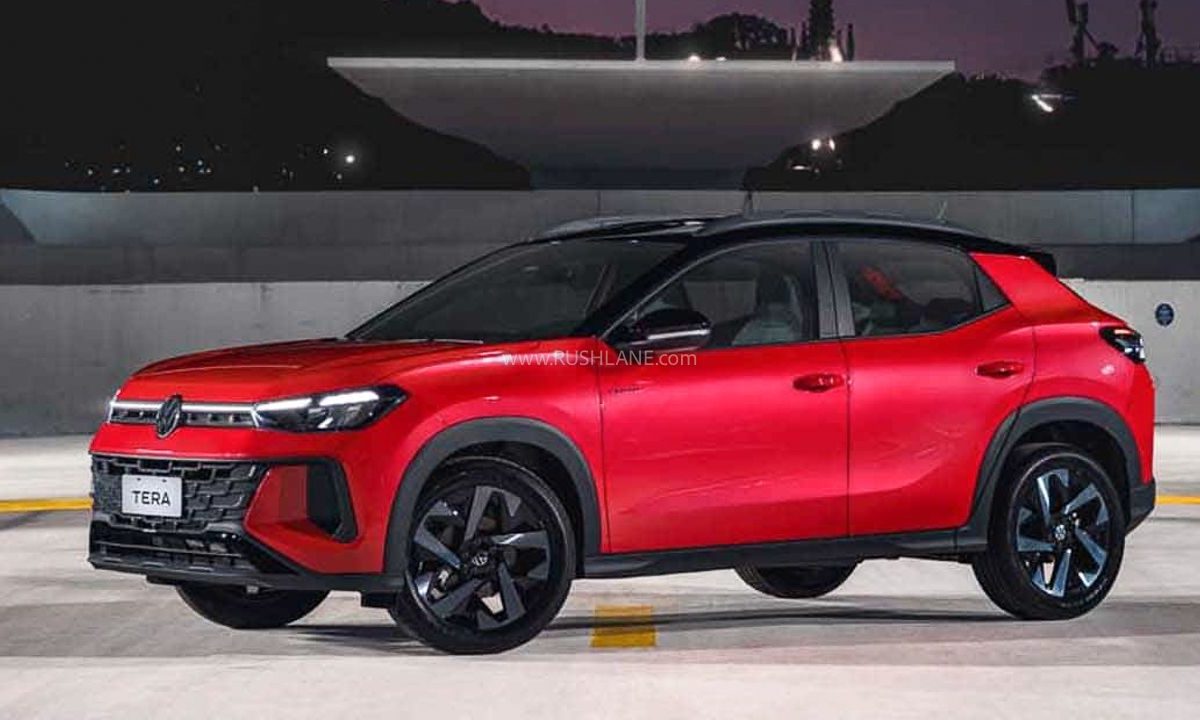
Volkswagen is finally jumping into India’s hottest segment. The German carmaker has received board approval for a ₹2.75 crore investment to develop a sub-4m SUV based on the Skoda Kylaq platform—a direct answer to the Hyundai Creta’s dominance in the compact SUV space.
This move marks a significant shift in VW’s India strategy. For years, the brand stayed away from the sub-4-meter segment, focusing instead on larger vehicles and entry-level offerings. But with Skoda’s Kylaq proving that there’s serious money to be made in this slot, Volkswagen is no longer sitting on the sidelines.
Why the Volkswagen sub-4m SUV matters now
India’s sub-4-meter SUV segment has become a goldmine. The Creta alone shifts over 100,000 units annually, and rivals like the Kia Seltos, Maruti Grand Vitara, and Skoda Kylaq are all carving out meaningful sales. For Volkswagen, which has struggled to gain traction in the mass market, this is a chance to finally compete where buyers are actually spending money.
The Kylaq itself has been a surprise hit for Skoda since its launch. It undercuts the Creta on price while offering a modern design and decent feature set. Volkswagen’s version will likely follow a similar formula—borrowing the platform but tweaking the styling, interior, and feature list to differentiate from its Skoda sibling.
Platform and development strategy
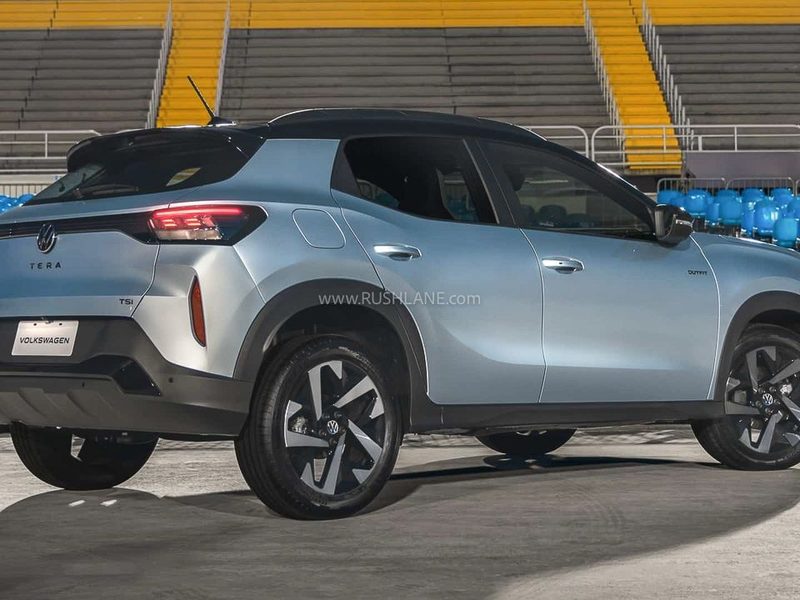
Using the Kylaq’s MQB-A0-IN platform is a no-brainer for Volkswagen. The platform is already proven in India, locally developed, and cost-effective. Rather than developing something from scratch, VW gets to leverage Skoda’s engineering while maintaining its own brand identity.
The ₹2.75 crore project approval suggests serious intent. This isn’t a rushed adaptation; it’s a properly funded development program that will likely include localized components, a distinct design language, and possibly different engine options compared to the Kylaq.
What to expect from the Volkswagen sub-4m SUV
Expect a compact SUV roughly 3,995 mm long—just under the 4-meter tax threshold that makes vehicles cheaper to produce and own in India. The Kylaq measures 3,995 mm, so VW’s version will be in that same ballpark.
Powertrain-wise, the Kylaq offers a 1.0-liter turbocharged petrol with 110 hp and a 1.5-liter diesel with 115 hp. Volkswagen might stick with petrol only (the diesel market is shrinking), or offer both to appeal to fleet buyers and long-distance commuters. Transmission options will likely include manual and automatic.
Inside, look for a simpler, more value-focused cabin compared to the Kylaq. Volkswagen will probably skip some of the premium touches to hit a lower price point and undercut the Creta. A 7- or 8-inch touchscreen, smartphone integration, and climate control should be standard across variants.
Pricing and rivals
The Creta starts around ₹10.5 lakh ex-showroom for the base petrol manual. The Kylaq undercuts it by roughly ₹1.5 lakh. Volkswagen’s sub-4m SUV should slot between ₹9.5 lakh and ₹15 lakh depending on trim and powertrain—positioning it as an aggressive alternative to the Creta, Seltos, and even the Maruti Grand Vitara.
For buyers doing regular highway runs or living in metros where parking is a nightmare, the sub-4-meter dimension is a genuine advantage. You save on road tax, insurance premiums are lower, and the compact footprint makes city driving less stressful. The Volkswagen sub-4m SUV will capitalize on all three.
Timeline and production
Board approval doesn’t mean imminent launch. Expect development and testing to take 18–24 months. A debut sometime in 2026 or early 2027 is realistic. Volkswagen will likely manufacture it at its Chakan plant in Maharashtra, where it already produces the Taigun and other models.
The bigger picture
This move signals that Volkswagen is finally serious about the Indian mass market. The brand has always positioned itself as premium-ish, but premium doesn’t pay bills when you’re selling 50,000 units a year while competitors shift three times that. The Volkswagen sub-4m SUV is VW admitting that the future in India isn’t about being exclusive—it’s about being relevant.
Skoda gets to maintain its position as the more upmarket option, while Volkswagen plays the volume game. It’s a smart play by the Volkswagen Group, and it finally gives Indian buyers a third credible choice in a segment that’s been dominated by Hyundai and Kia for too long.
The bottom line
Volkswagen’s entry into the sub-4-meter SUV space with a Kylaq-based model is overdue but welcome. The segment is proven, profitable, and full of buyers. If VW can price the car aggressively—undercutting the Creta by at least ₹1 lakh—and avoid the reliability issues that have plagued the brand in India, this could actually move the needle for them. The real question isn’t whether the car will sell; it’s whether Volkswagen has finally learned how to build cars Indians actually want to buy at prices they’re willing to pay.
Frequently asked questions
When will the Volkswagen sub-4m SUV launch in India?
The project has just received board approval. Expect development and testing to take 18–24 months, with a likely launch in late 2026 or early 2027.
How will the Volkswagen sub-4m SUV differ from the Skoda Kylaq?
Both will share the same MQB-A0-IN platform and basic dimensions, but Volkswagen’s version will have distinct styling, a different interior design, and likely a lower price point to compete more aggressively with the Creta.
What engines will the Volkswagen sub-4m SUV have?
Expect a 1.0-liter turbocharged petrol engine at minimum. A 1.5-liter diesel may also be offered for buyers prioritizing fuel economy and long-distance driving.